
Nanking Cherry Seeds
$8.95 CAD
Oak Summit Nursery
Plant orders start at $30.
Winter tree ordering reminder
This tree is not available in the current fall sale. Add a reminder for the winter tree ordering season.
Set a reminderCouldn't load pickup availability
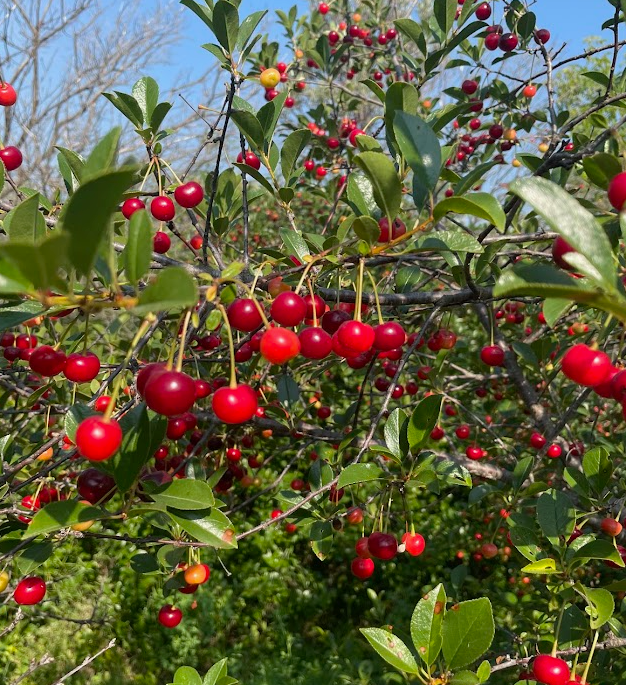
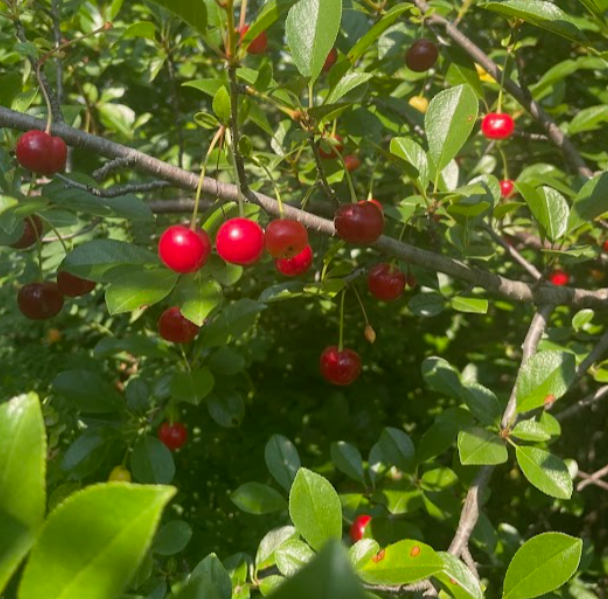
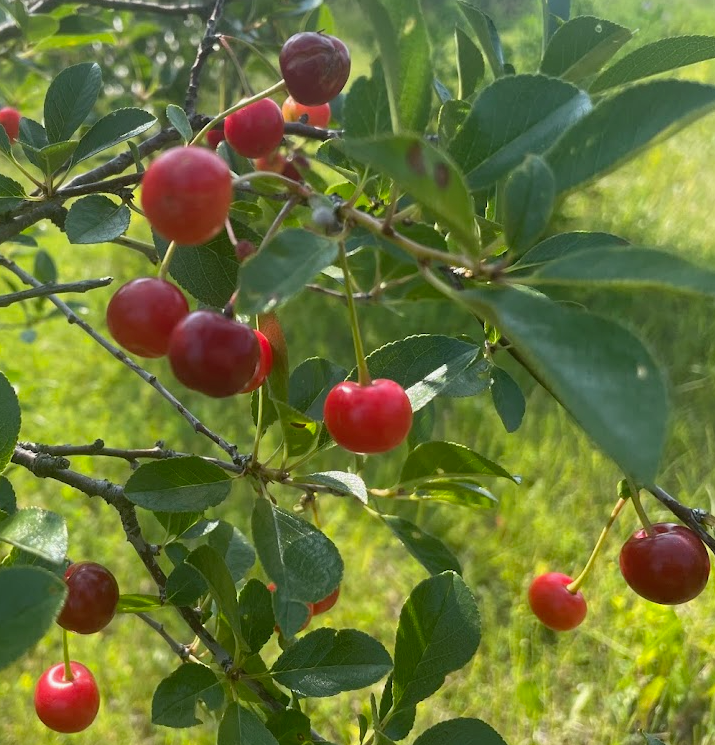
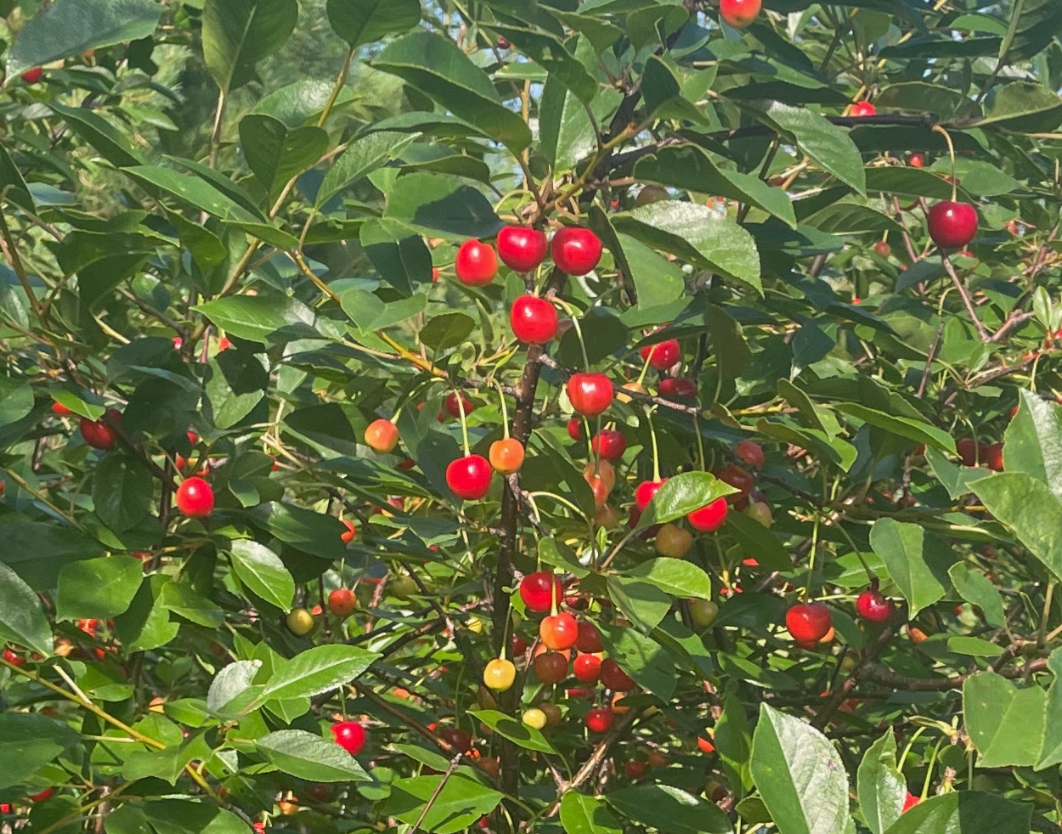
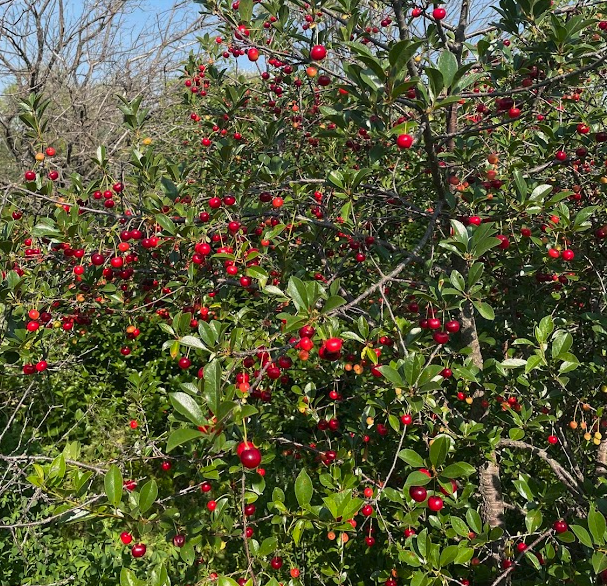
Sour Cherry Seedlings were grown from open pollinated fruit collected in Manitoba from Juliet, Valentine, Cupid, Romeo, and Crimson Passion cherries in the University of Saskatchewan Romance series. These are seedlings, not named cultivars, so fruit and growth will vary while retaining traits from their sour cherry parents.
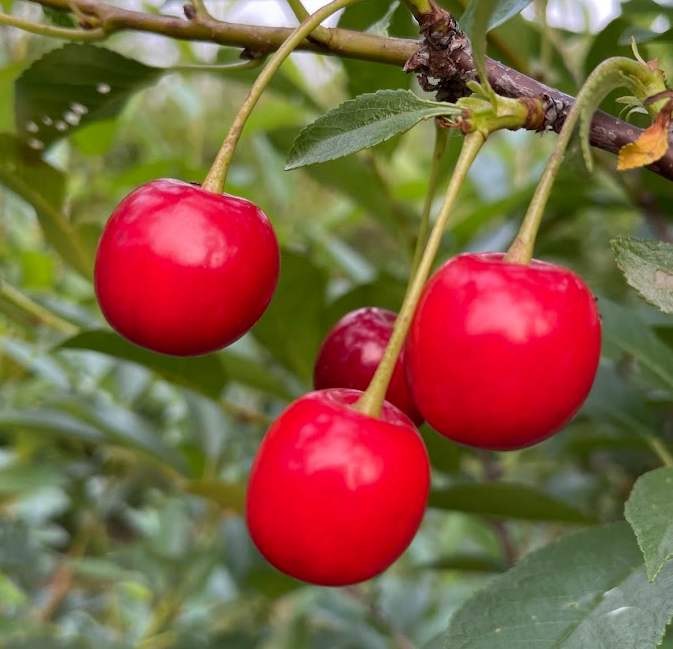
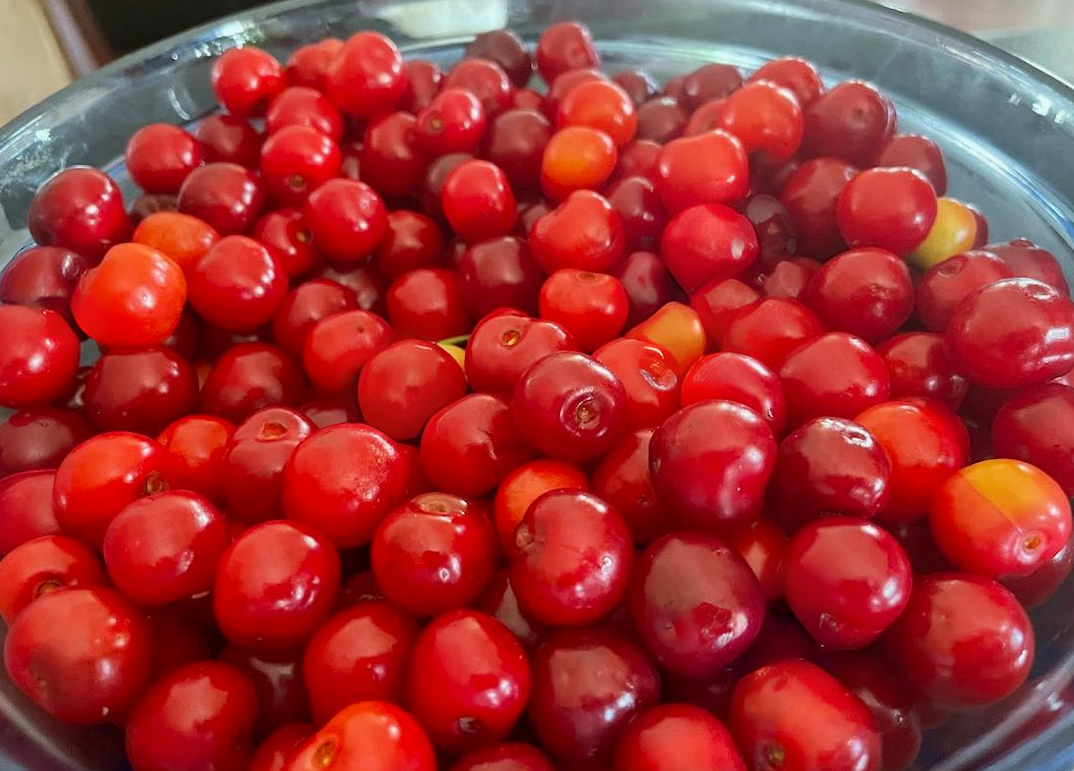
Romance cherries combine Prunus cerasus and Prunus fruticosa ancestry, and the name Prunus × kerrasis recognizes Dr. Les Kerr's breeding work. Their dark red fruit is about 1/2 to 3/4 inch across and is smaller and more tart than supermarket sweet cherries, but can develop high sugar and excellent flavour when fully ripe.
Cold Hardiness Zone: 3
Winter tree ordering reminder
This tree is currently unavailable. Add a reminder and we’ll email when it returns for the winter tree ordering season.
Manage this reminder with your saved products from the header.
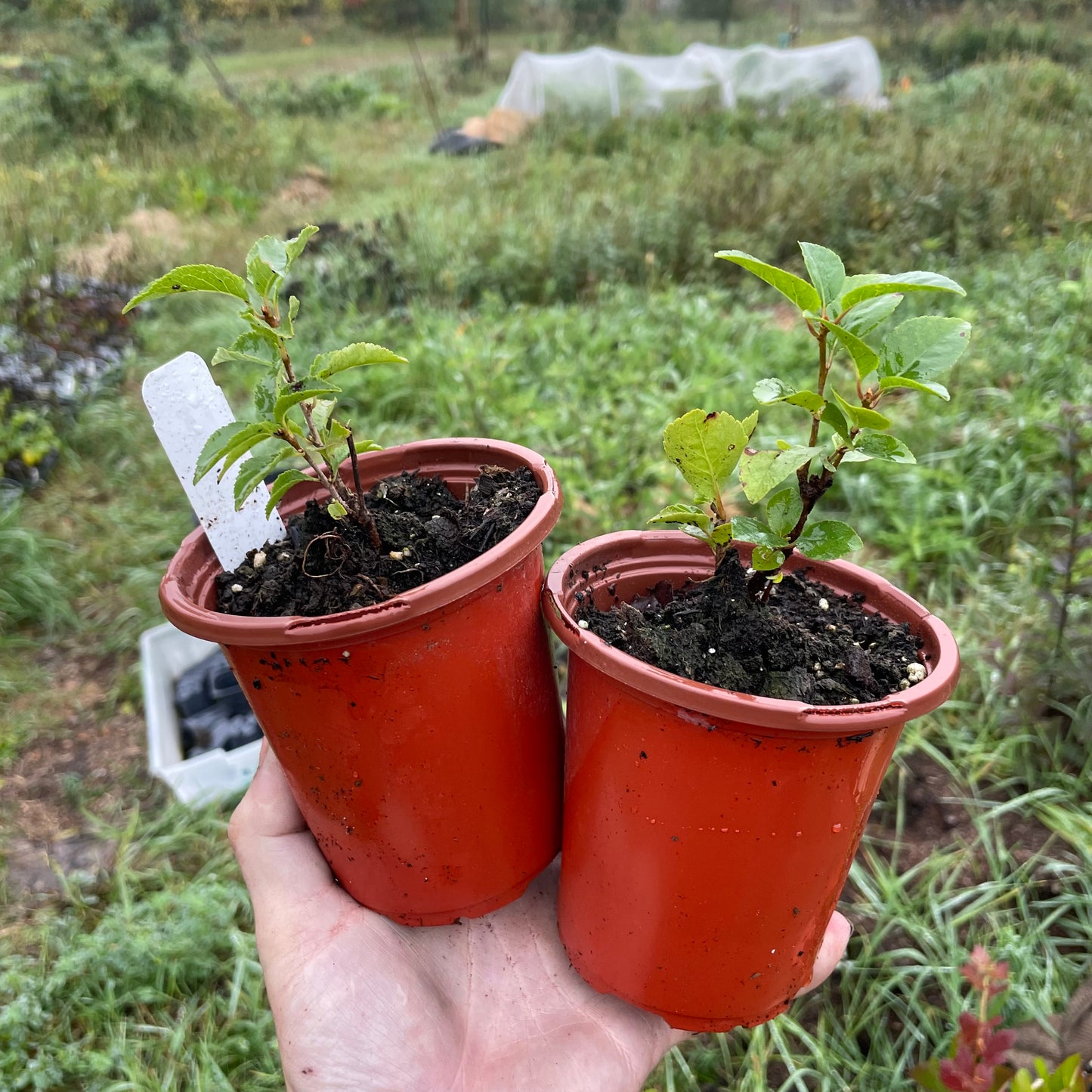
These are open-pollinated sour cherry seedlings, so they should be expected to vary rather than reproduce a named Romance-series cultivar. The named seed parents differ materially in mature height, suckering, fruit mass and August harvest timing; those parent measurements are not transferred to individual seedlings. Seed-parent guidance recommends full sun and well-drained loam or sandy loam. Clay can be tolerated where drainage remains good.

Zone 3 and warmer
The map shows minimum winter hardiness. Soil, moisture and summer warmth also affect how a plant grows.
Climate: Natural Resources Canada, 1991–2020. Provincial distribution: VASCAN via retained botanical research. Province outlines: Natural Earth, public domain.
Open Government Licence – Canada