Oak Summit Nursery
Romance Series Sour Cherry Seeds
Romance Series Sour Cherry Seeds
Pack contains: 15+ seeds
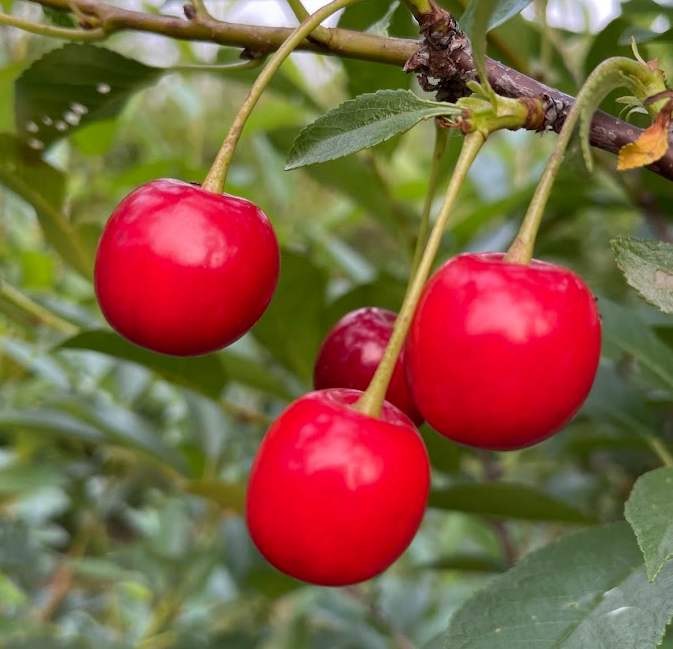
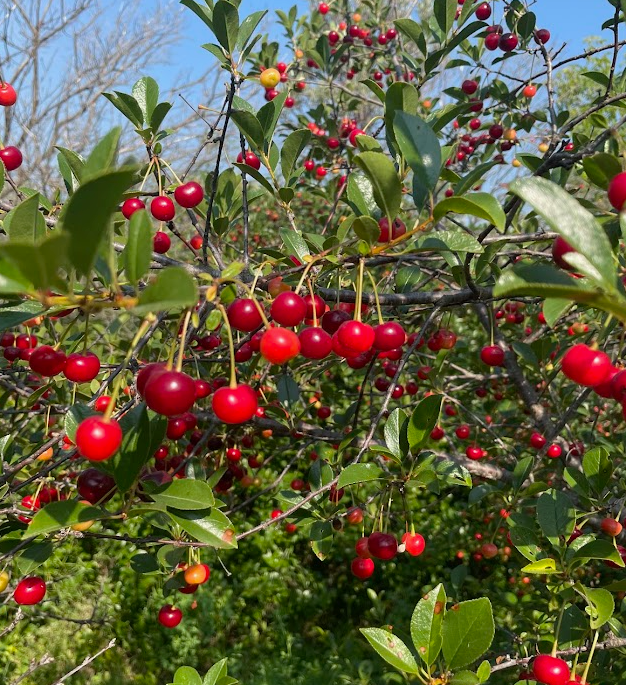
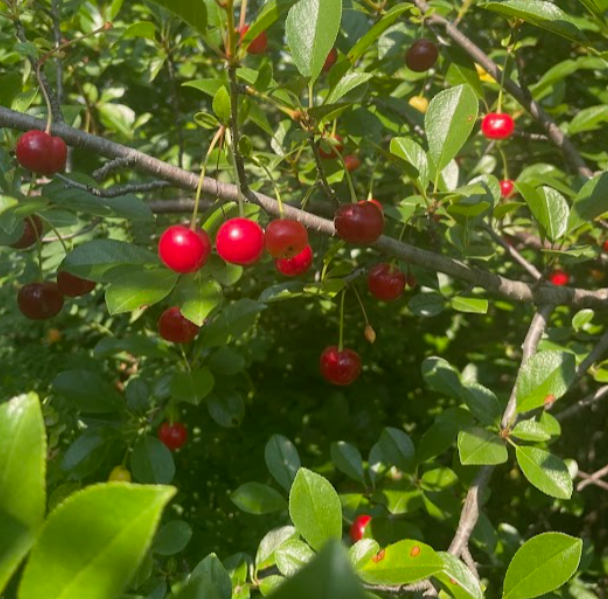
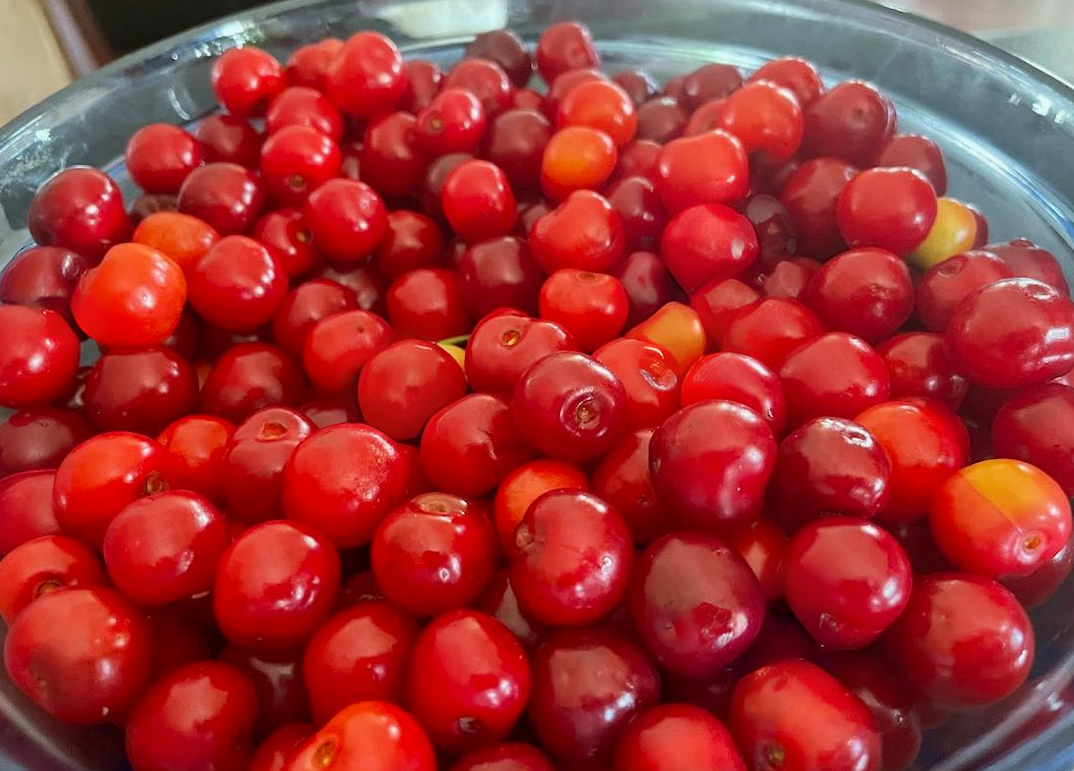
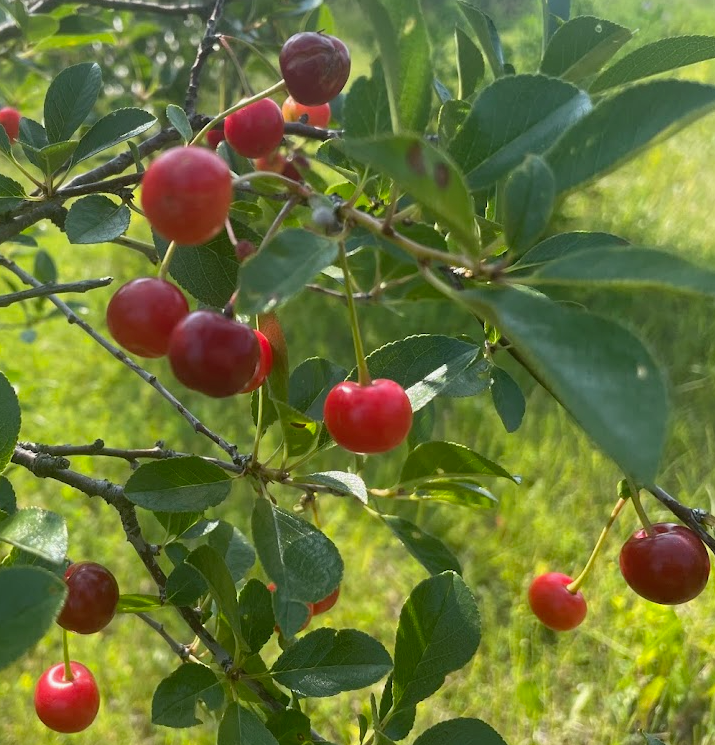
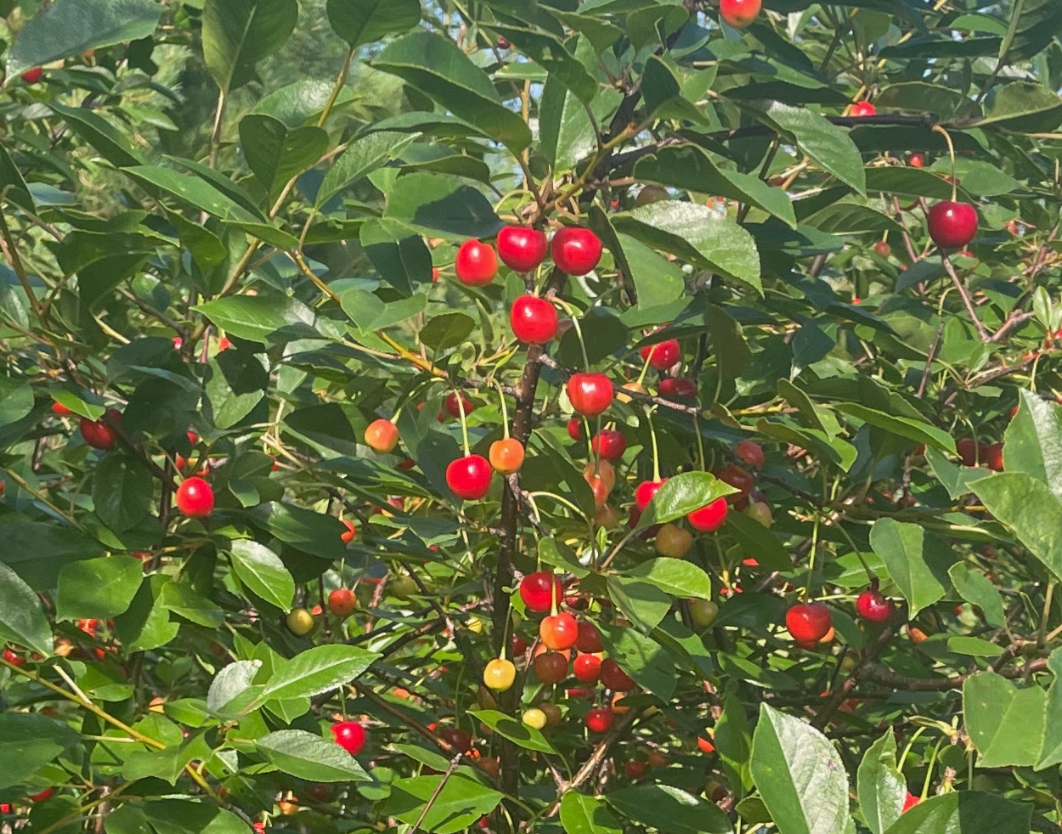
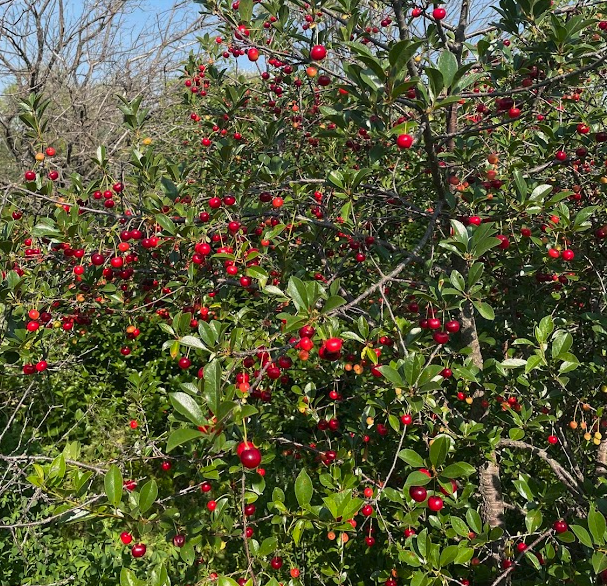
These Sour Cherry seeds come from a mix of Juliet, Valentine, Cupid, Romeo, and Crimson Passion fruit. The seedlings will be genetically varied rather than copies of the named Romance Series cultivars, but some may produce similar large, richly flavoured sour cherries.
The Romance Series cherries are Prunus × kerrasis hybrids with about 75 percent Prunus cerasus and 25 percent Prunus fruticosa ancestry, named for the breeding work of Dr. Les Kerr. Their fruit is more tart than common sweet cherries but can also develop high sugar when fully ripe.
Notify me when back in stock
Enter your email to add a back in stock reminder for this item.
Manage this reminder with your saved products from the header.
Starting this seed
- Warm1 monthWarm stratification
- Cold3 to 5 monthsCold stratification
- SowAfter the cold stage4 to 6 months from the start
- Seed source
- Manitoba
- Hardiness
- Zone 3
How to stratify seed
Warm stage first. Keep the same bag at room temperature for the warm period shown, then move it to the fridge.
In the fridge. Put the seed in a bag with a damp medium such as peat moss, vermiculite, sand or coco coir. The medium is only there to hold moisture. Keep the bag in the fridge, above freezing, for the cold period shown, then sow.
Or outside. Sow the seed outdoors in the fall and let winter do the cold period.
The plant these seeds grow into
Growing details
- Parents
- University of Saskatchewan dwarf sour cherriesSour cherry crossed with Mongolian cherry
- Ripening
- August in Saskatchewan, for the named parentsSeedlings will vary
- Pollination
- The named parents pollinate themselvesSeedlings may differ
- Spread
- The parents sucker a little
Cold hardinessZone 3 · Canadian maps for this plant

Zone 3 and warmer
The map shows minimum winter hardiness. Soil, moisture and summer warmth also affect how a plant grows.
About these maps
Climate: Natural Resources Canada, 1991–2020. Provincial distribution: VASCAN via retained botanical research. Province outlines: Natural Earth, public domain.
Open Government Licence – Canada Oxheart Chokecherry Seeds
 Garrington Chokecherry Seeds
 Wild Black Chokecherry Seeds
 Manchurian Apricot Seeds
 Pembina Plum Seeds