


Oak Summit Nursery
Dura Cherry Plum
Dura Cherry Plum
Regular price
$19.00 CAD
Regular price
Sale price
$19.00 CAD
Unit price
per
Compare offered sizes
Couldn't load pickup availability
Dura Cherry Plum is a Sapa seedling introduced by the Morden Experimental Station in 1942. The low spreading shrub produces heavy annual crops of fruit about 3.5 cm (1.5 inches) across, with dull green skin blotched purple and red flesh.
The fruit ripens in late August, can hang into October, and is well suited to canning and other processing. Dura needs a compatible cherry plum or Japanese plum for pollination.
Compare the cherry plum cultivars growing at Oak Summit Nursery.
| Name | Year Introduced | Breeding Parentage | Breeder / Institution | Flesh Color | Skin Color | Size | Flavor / Use |
|---|---|---|---|---|---|---|---|
| Compass | 1896 | Sand cherry (Prunus besseyi) × “Minor” (Miner) plum (Prunus hortulana group) | H. Knudson, Springfield, Minnesota | Yellowish | Dark purple red | ~2.5 cm (small) | Excellent for jelly; good for canning |
| Sapa | 1908 | Sand cherry (P. besseyi) × ‘Sultan’ (Japanese plum, P. salicina) | South Dakota Experiment Station, Brookings, SD | Dark purple | Purple with bluish bloom | ~2.5 cm (small) | Excellent for canning and jam |
| Opata | 1908 | Sand cherry (P. besseyi) × ‘Gold’ (Japanese plum, P. salicina) | South Dakota Experiment Station, Brookings, SD | Yellowish green | Greenish, overlaid reddish purple | 2.5–3 cm (small) | Good for preserves |
| Kappa | 1960 | Sand cherry (P. besseyi) × Japanese plum (P. salicina) | University of Saskatchewan (Cecil Patterson) | Yellow green | Dark, bluish black at maturity | Small (≈ cherry plum size) | Sweet, fruity “cherry plum” flavor |
| Sapalta | 1941 | ‘Sapa’ × open pollinated (pollen parent unknown) | Canadian selection (Brooks, Alberta) | Dark purple | Reddish purple | Small to medium | Sweet tart; excellent for canning/jam |
| Dura | 1942 | ‘Sapa’ seedling | Morden Experimental Station, Manitoba | Red | Dull green blotched with purple | ~3.5 cm (medium small) | Excellent for canning |
| Manor | 1945 | ‘Sapa’ seedling | Morden Experimental Station, Manitoba | Dark red | Dark purple red | 2.5–3 cm (small) | Excellent for canning |
Winter tree ordering reminder
This tree is currently unavailable. Add a reminder and we’ll email when it returns for the winter tree ordering season.
Manage this reminder with your saved products from the header.
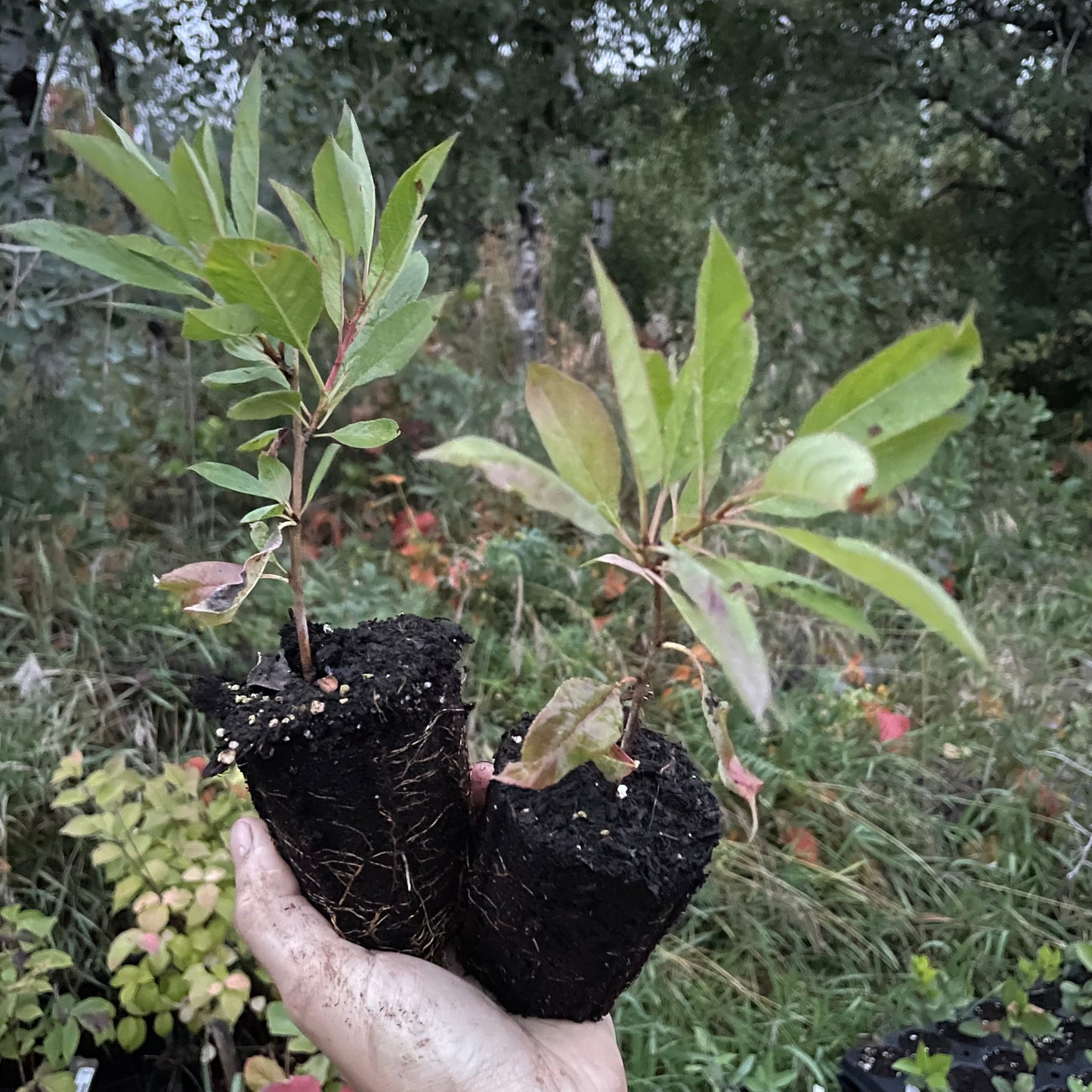
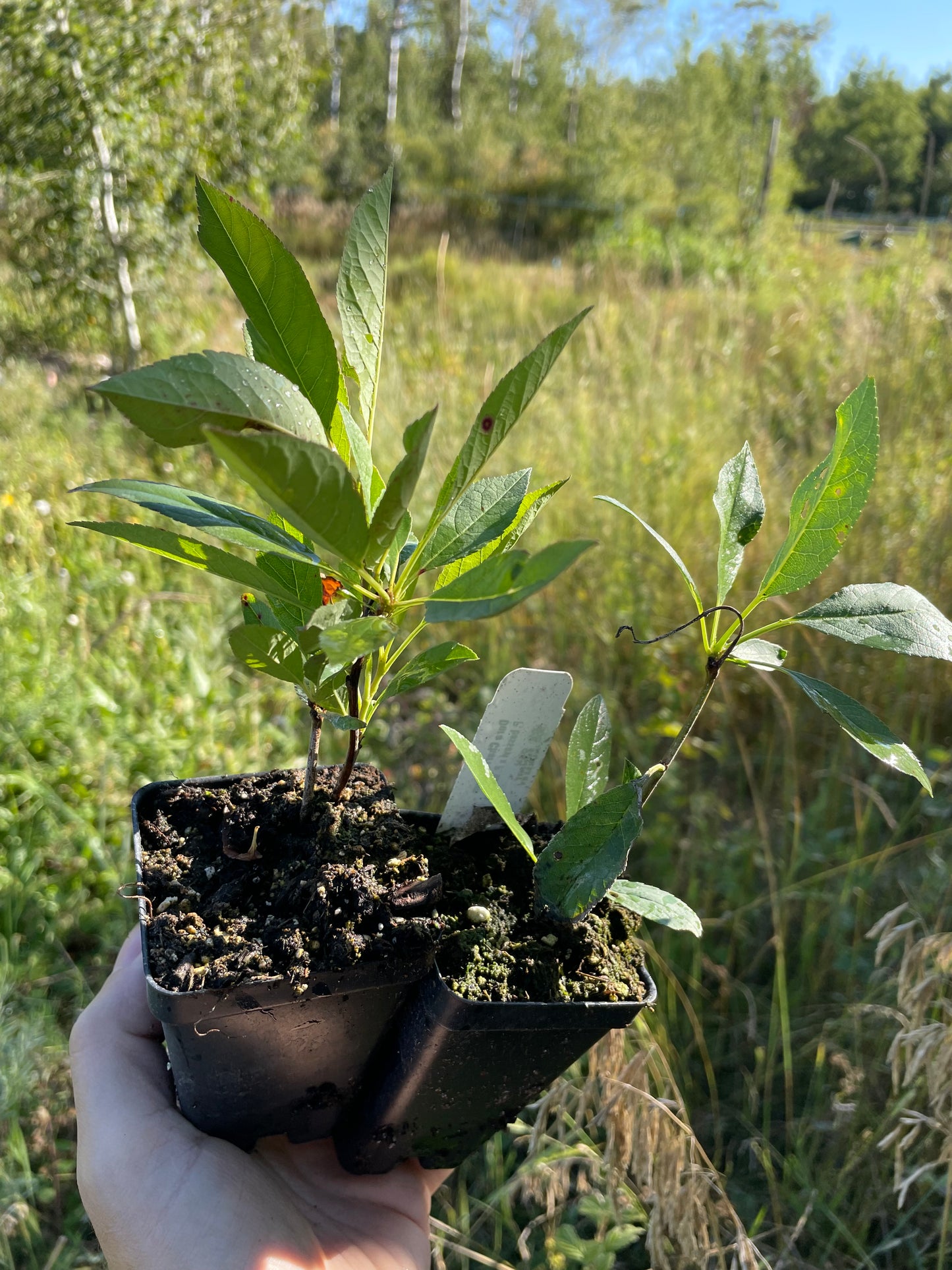
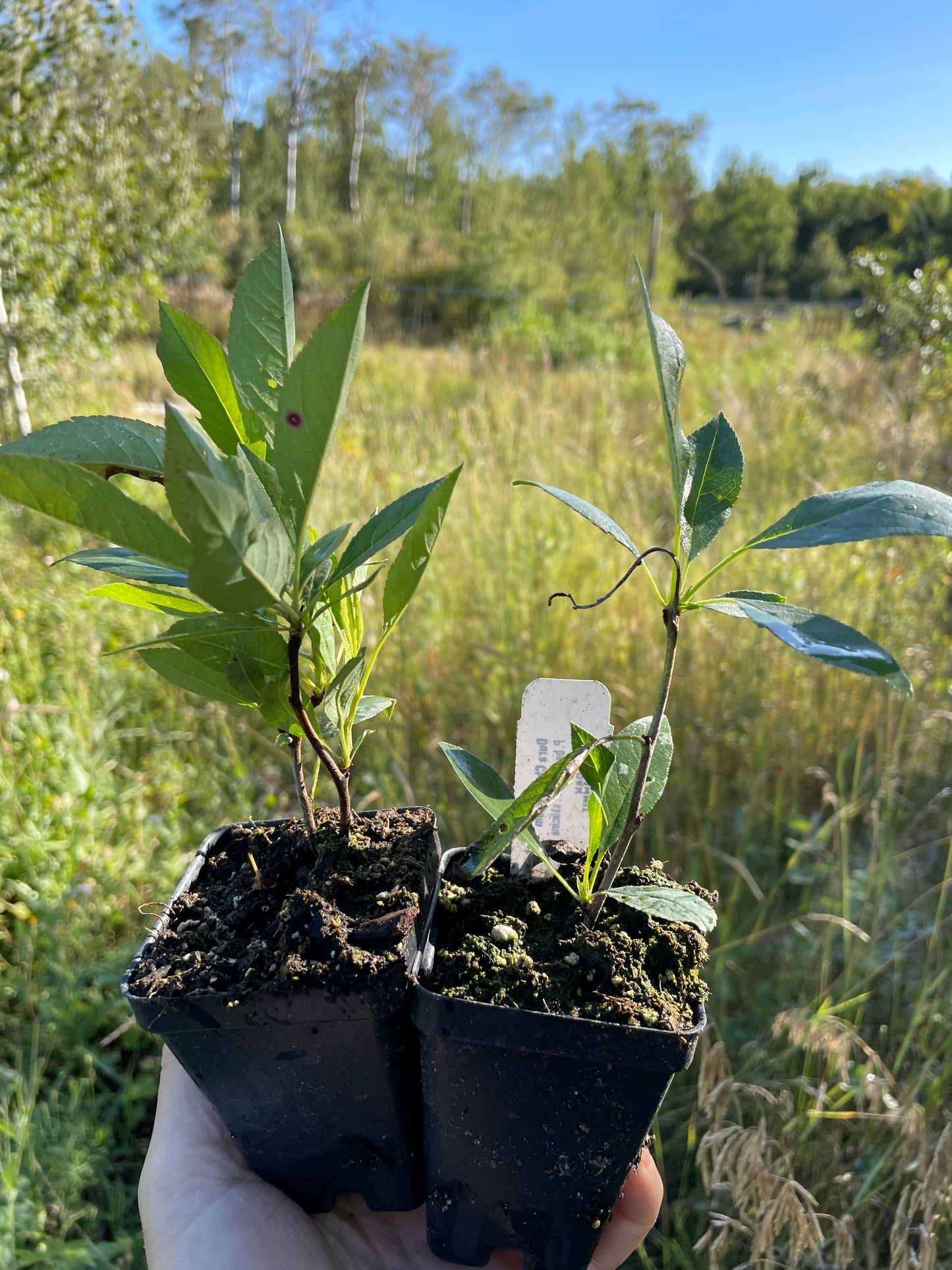
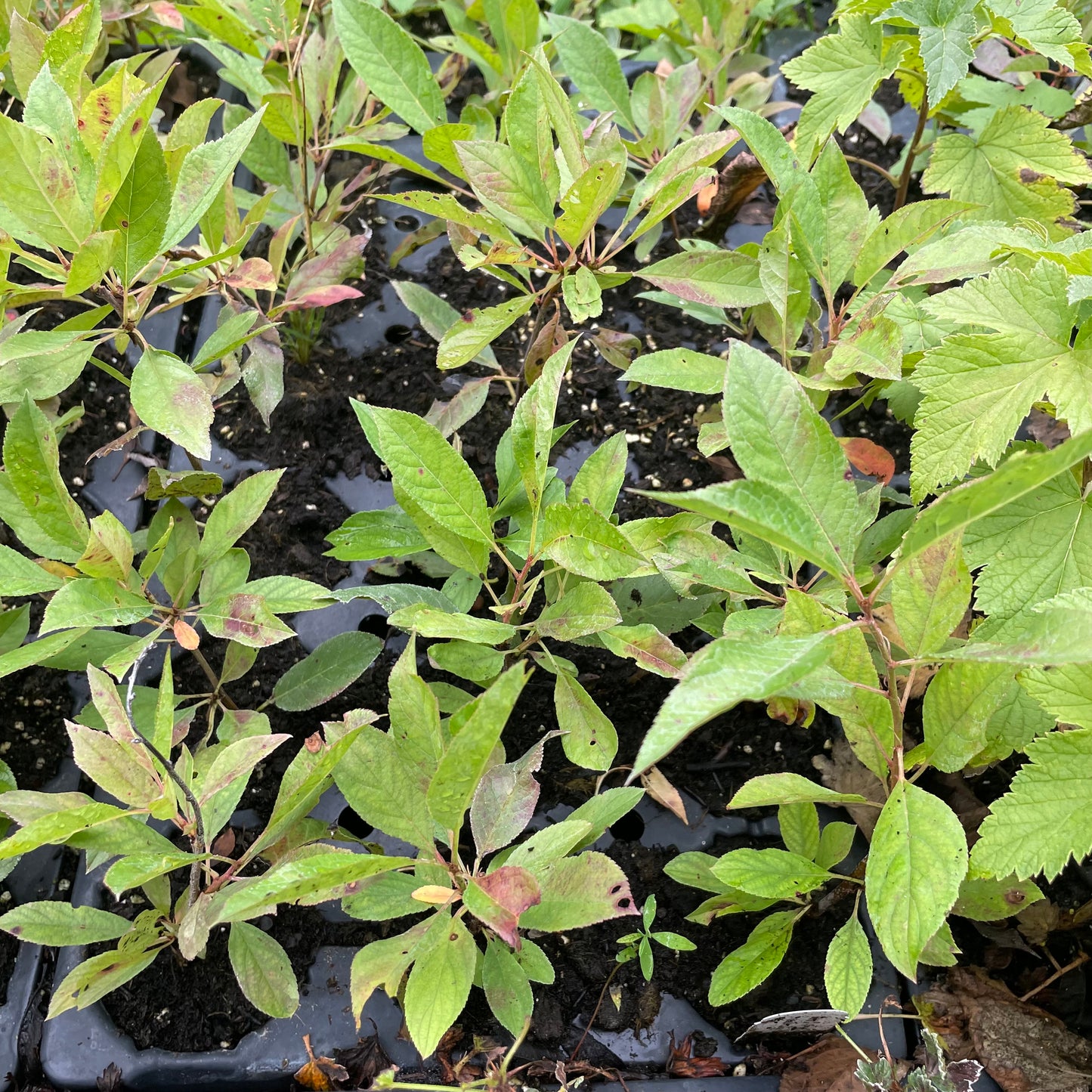
Growing details
- Hardiness
- Zone 2Oak Summit nursery rating
- Site and soil
- A sunny site protected from harsh wind, with freely draining soil. Avoid standing water and frost pockets; premature spring warming beside a south wall can increase blossom-frost exposure.Crop guidance; local conditions can vary
- Fruit
- Fruit about 3.5 cm across, with dull green skin blotched purple and red flesh; well suited to canning and processing.From the reviewed product description
Ripening
The fruit ripens in late August, can hang into October, and is well suited to canning and other processing
Existing English product description; timing varies with season and site
Cold hardinessZone 2 · Canadian maps for this plant

Zone 2 and warmer
The map shows minimum winter hardiness. Soil, moisture and summer warmth also affect how a plant grows.
About these maps
Climate: Natural Resources Canada, 1991–2020. Provincial distribution: VASCAN via retained botanical research. Province outlines: Natural Earth, public domain.
Open Government Licence – Canada