Oak Summit Nursery
American Wild Plum Seeds
American Wild Plum Seeds
Pack contains: 15+ seeds
Also sold as a plant: American Wild Plum · from $12.00
Browse more Fruit tree seedsCouldn't load pickup availability
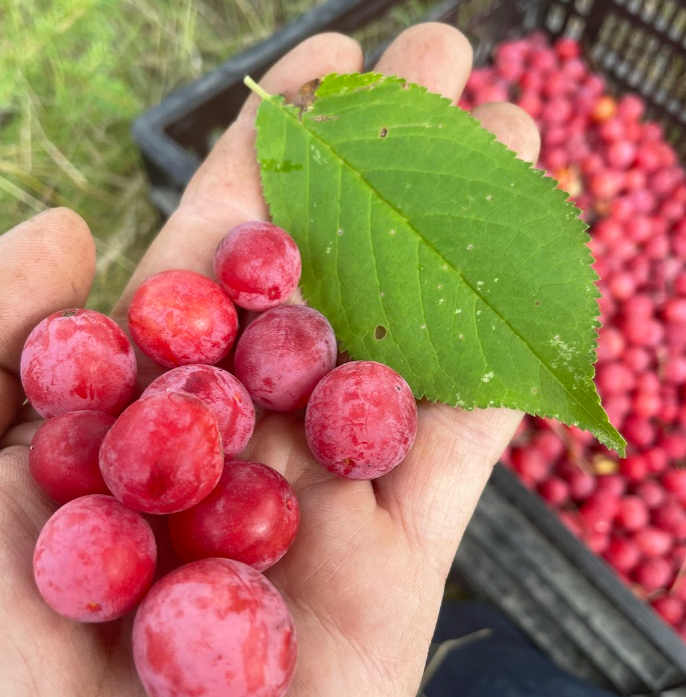
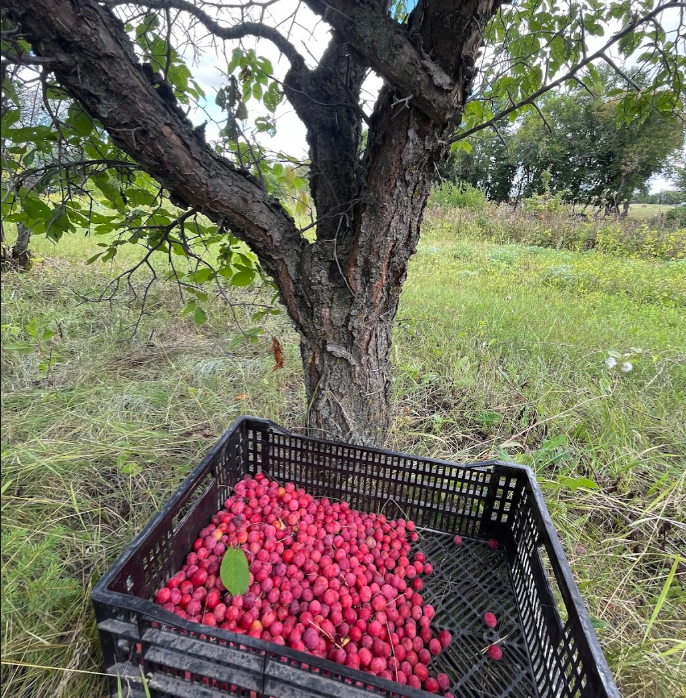
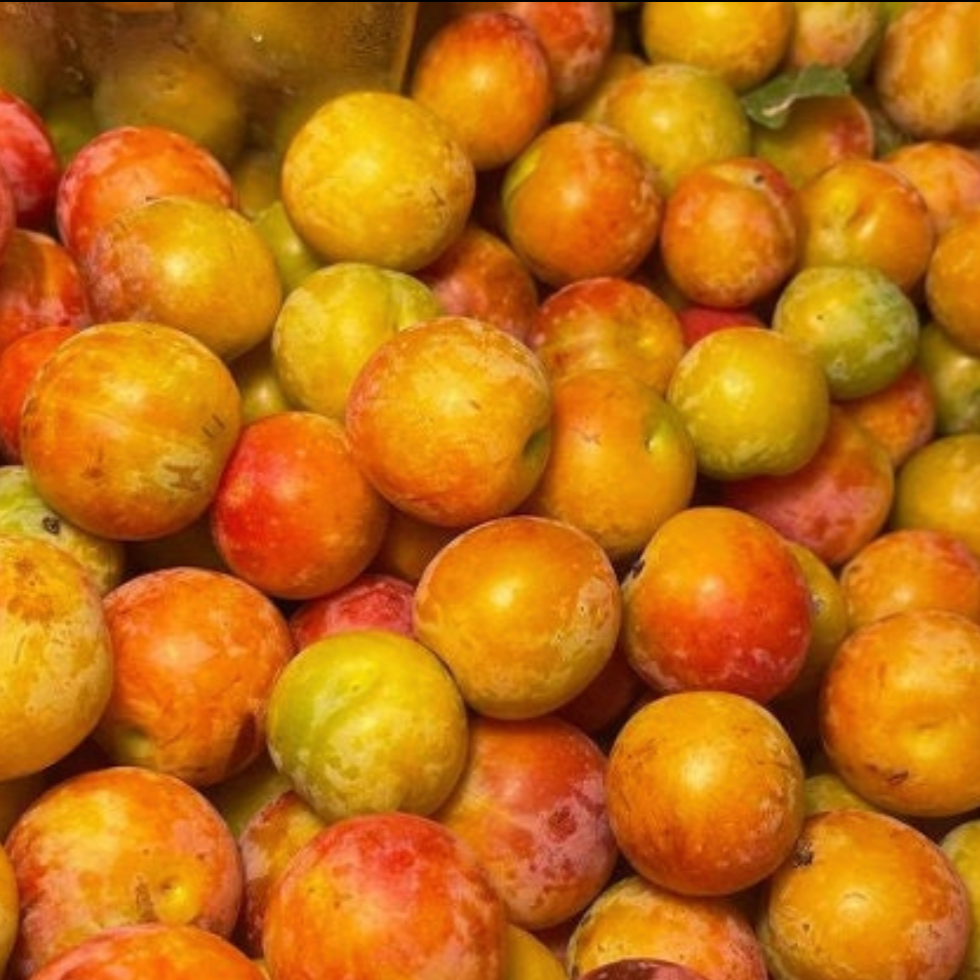
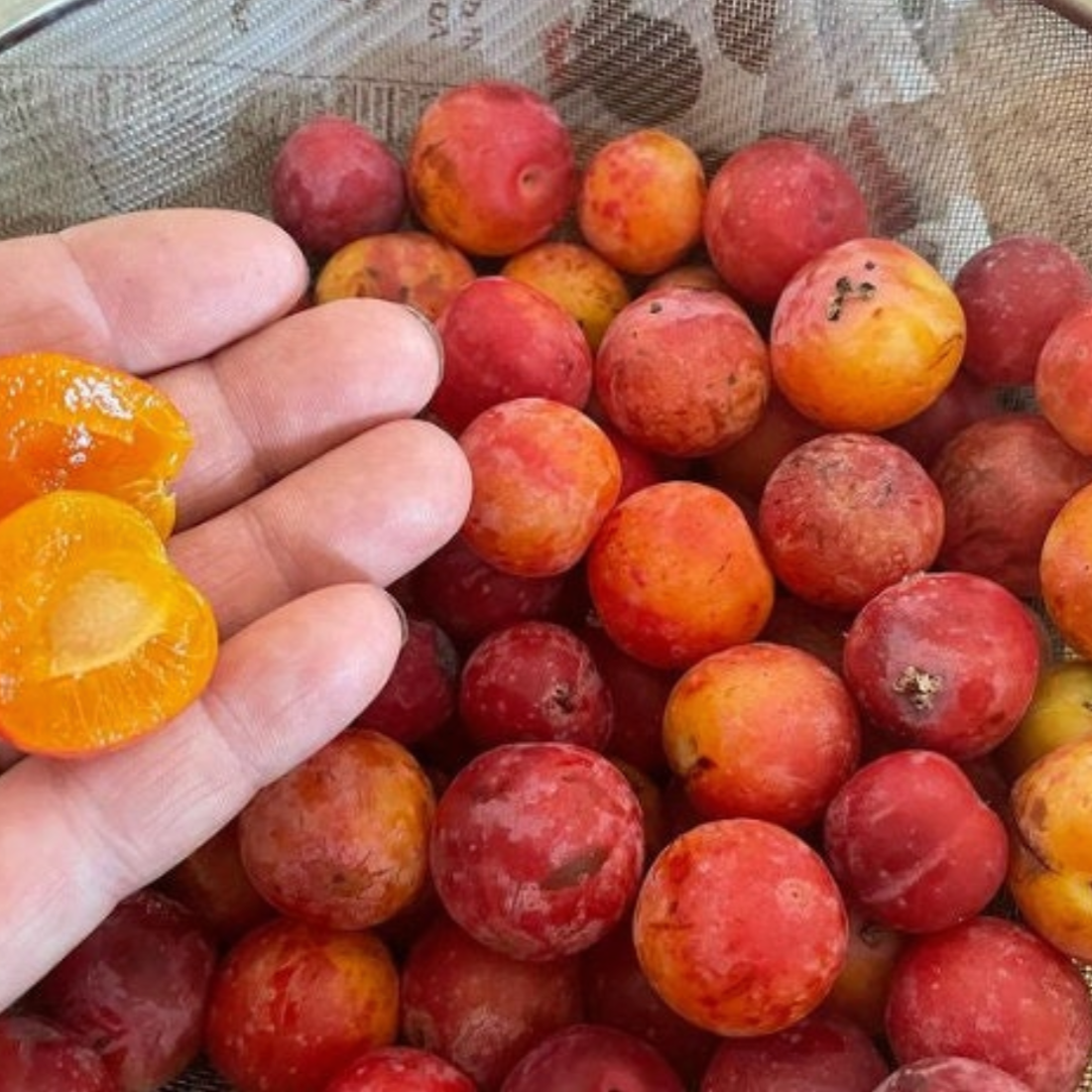
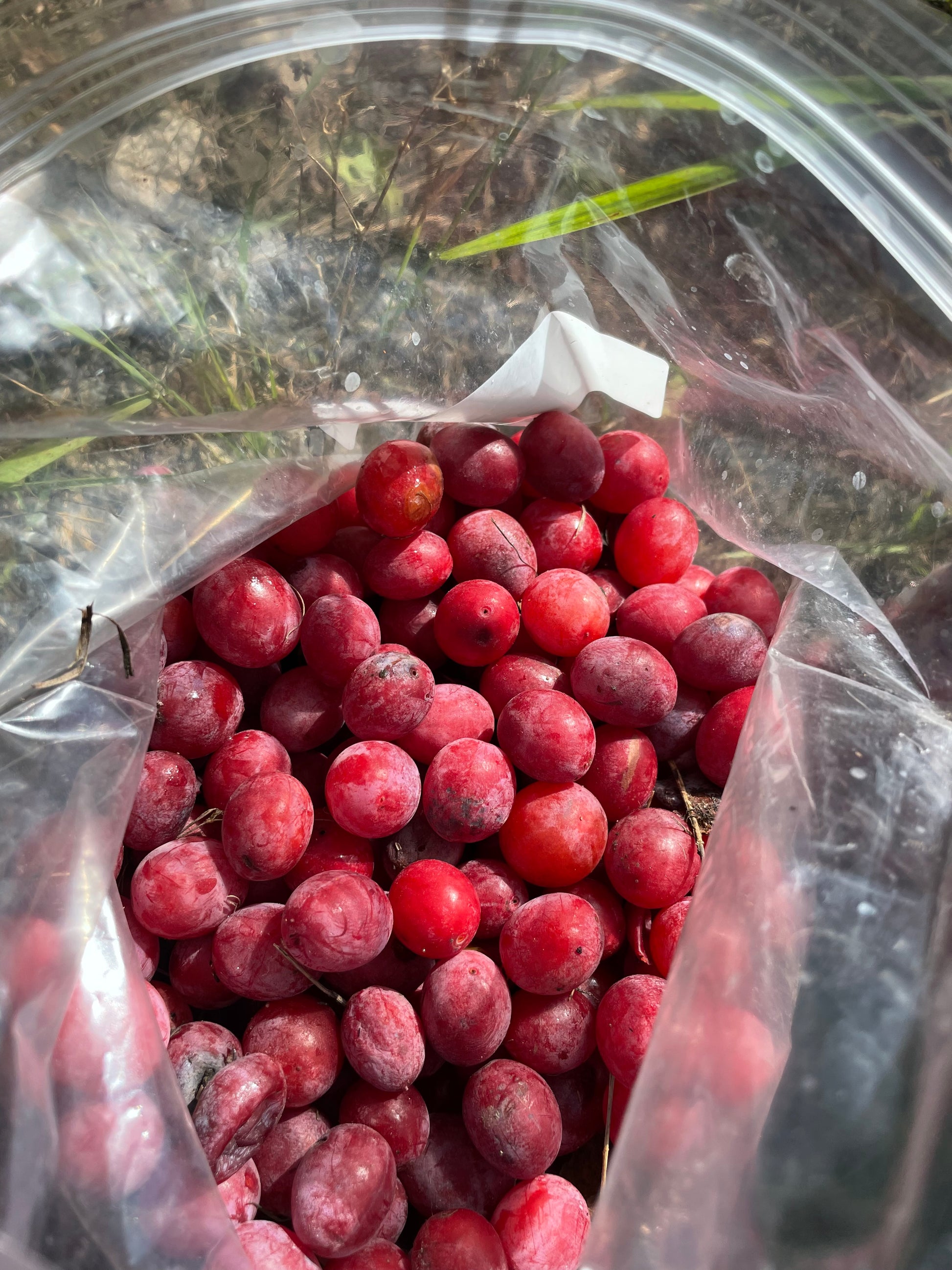
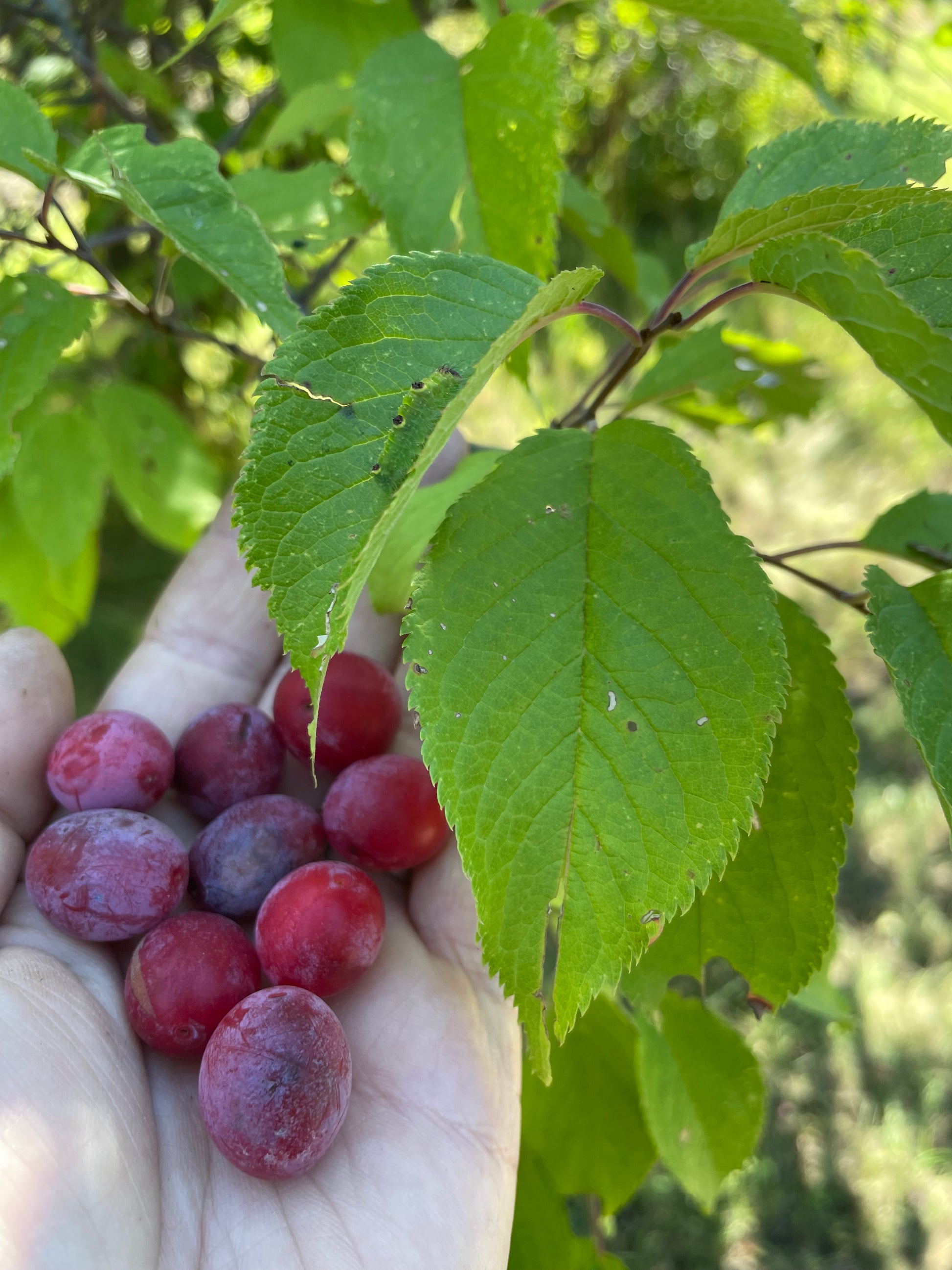
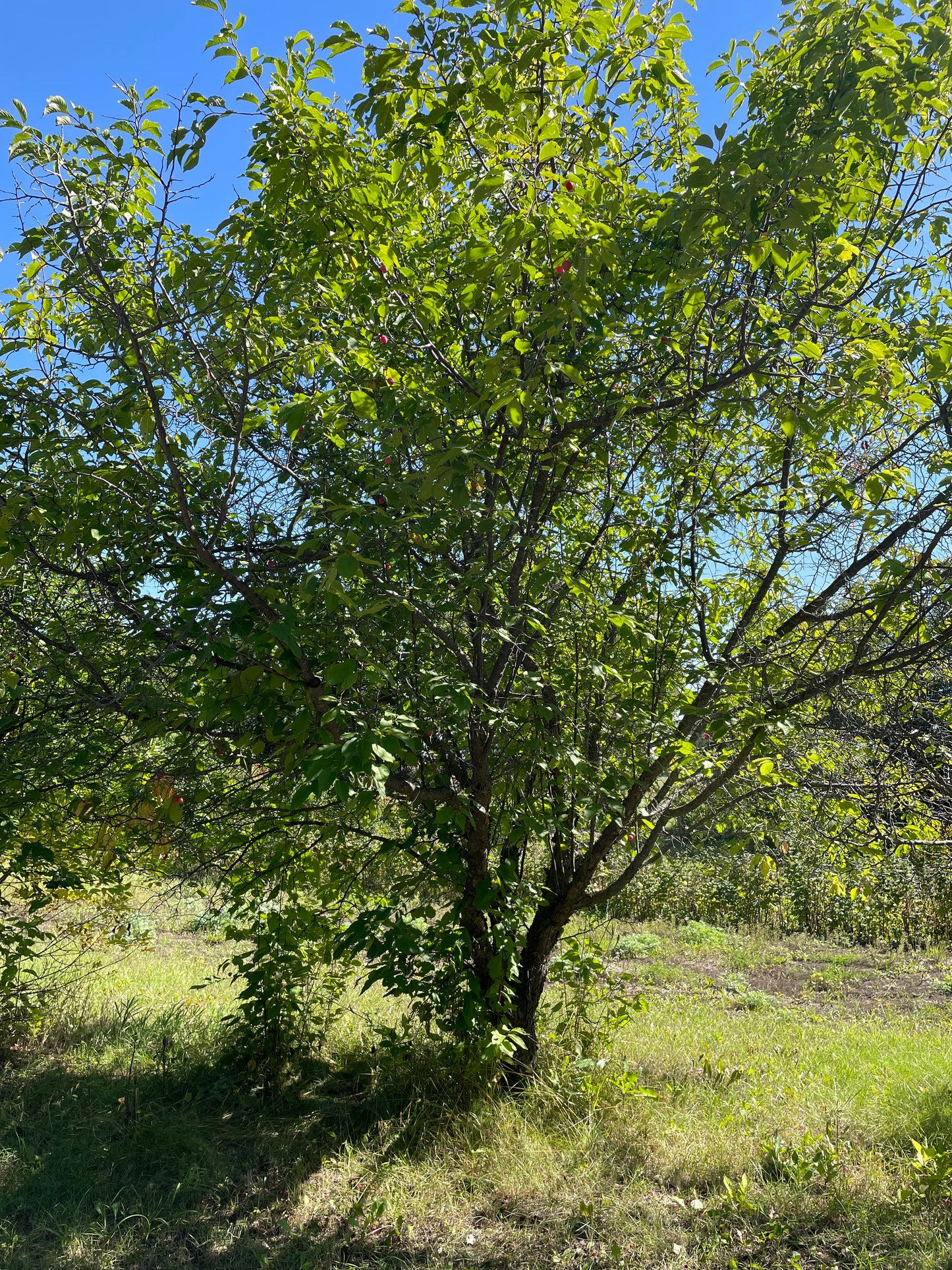
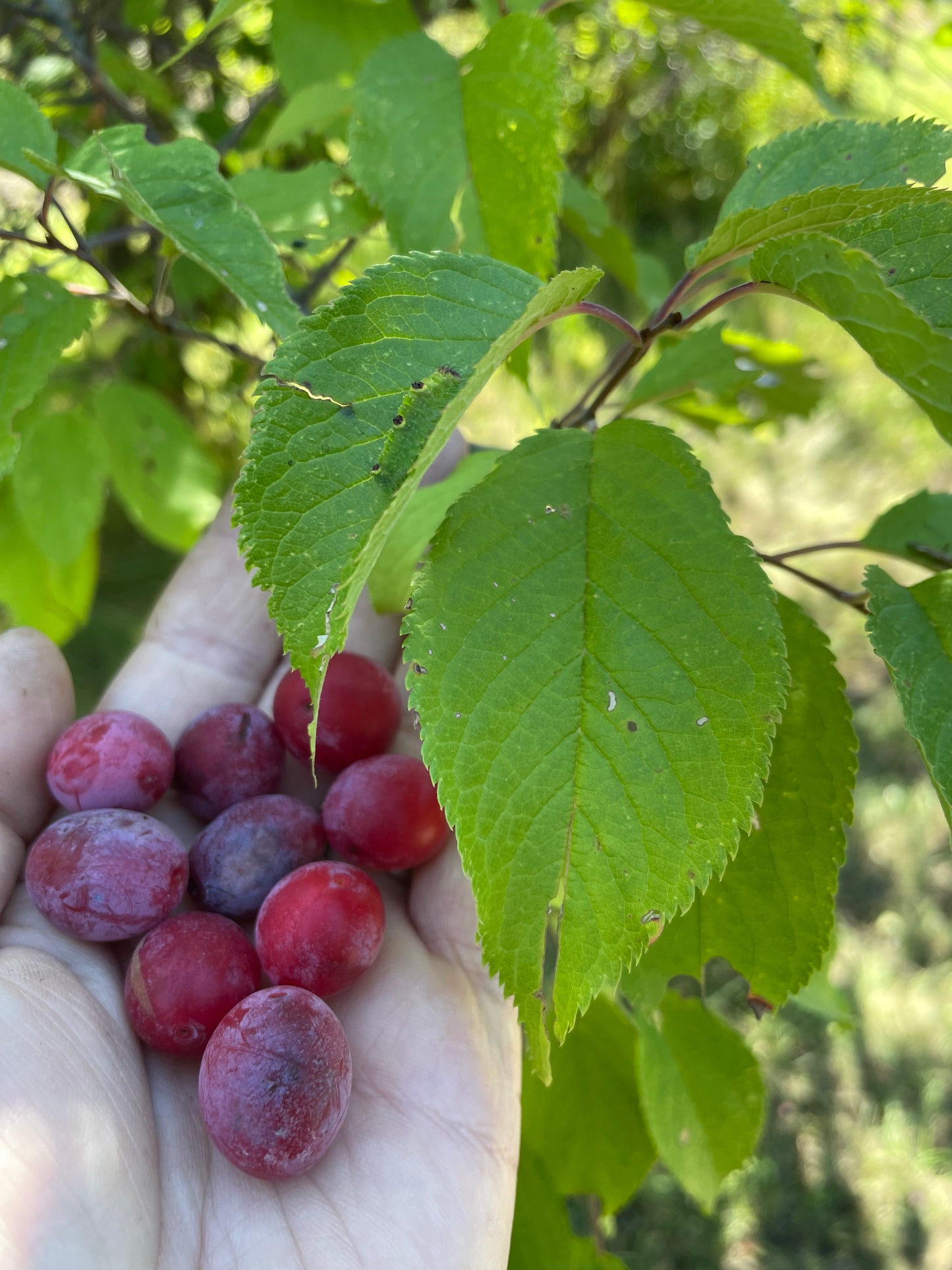
American Wild Plum (Prunus americana) produces small round plums with sweet tart flavour. Fruit ranges from yellow to deep red, measures about 5/8 to 1 inch across, and ripens here in late August. It is good fresh or in jam and jelly.
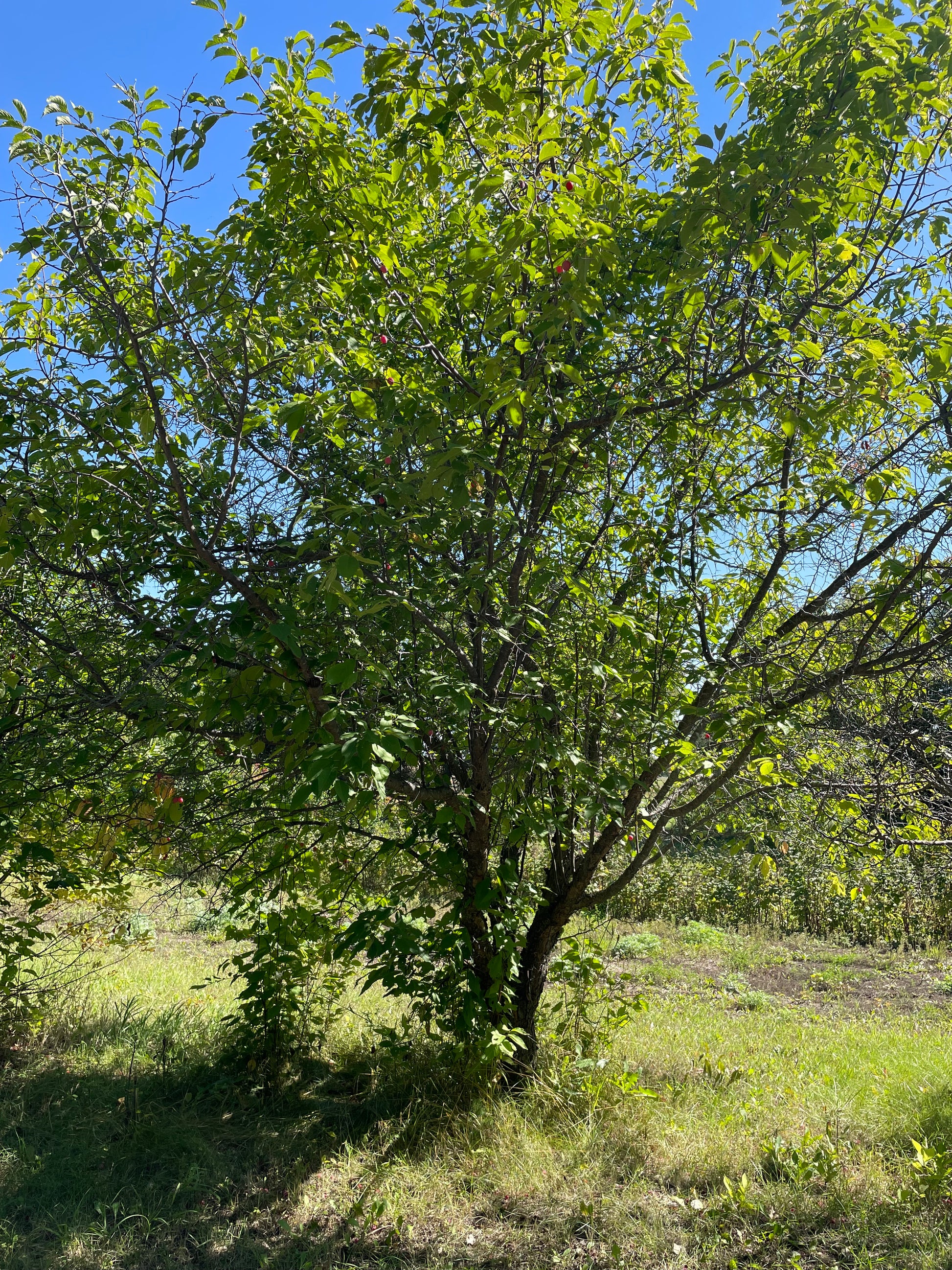
The trees are excellent pollinators for other plums and can improve fruit set in a mixed planting. At Oak Summit Nursery, we also grow American Wild Plum as rootstock for many plum cultivars. The species provides food for wildlife and can grow as a multistem shrub or small tree.
Notify me when back in stock
Enter your email to add a back in stock reminder for this item.
Manage this reminder with your saved products from the header.
Starting this seed
- Warm1 to 2 monthsWarm stratification
- Cold4 to 6 monthsCold stratification
- SowAfter the cold stage5 to 8 months from the start
- Seed source
- Manitoba
- Hardiness
- Zone 3
How to stratify seed
Warm stage first. Keep the same bag at room temperature for the warm period shown, then move it to the fridge.
In the fridge. Put the seed in a bag with a damp medium such as peat moss, vermiculite, sand or coco coir. The medium is only there to hold moisture. Keep the bag in the fridge, above freezing, for the cold period shown, then sow.
Or outside. Sow the seed outdoors in the fall and let winter do the cold period.
The plant these seeds grow into
Growing details
- Native range
- Native to central and eastern Canada and the United States.
- Site and soil
- Sun or some shade. Moist sandy or loamy soil.
- Ripening
- Late August to early September, depending on the tree and location.
Range & hardinessZone 3 · Canadian maps for this plant

Green: provinces with native records
MB · NB · ON · QC · SK
Zone 3 and warmer
Province records show native distribution, not every place the species grows. The hardiness map shows minimum winter hardiness; soil, moisture and summer warmth also matter.
About these maps
Climate: Natural Resources Canada, 1991–2020. Provincial distribution: VASCAN via retained botanical research. Province outlines: Natural Earth, public domain.
Open Government Licence – Canada Nanking Cherry Seeds
 Manchurian Apricot Seeds
 Seedling Plum Seeds
 Garrington Chokecherry Seeds
 Pin Cherry Seeds