Oak Summit Nursery
Semillas de ciruelo silvestre americano
Semillas de ciruelo silvestre americano
Contenido del paquete: 15+ semillas
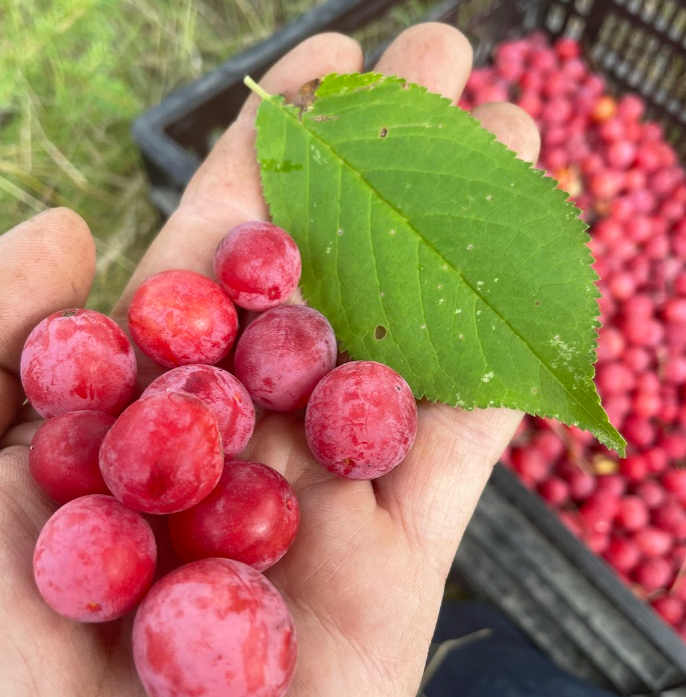
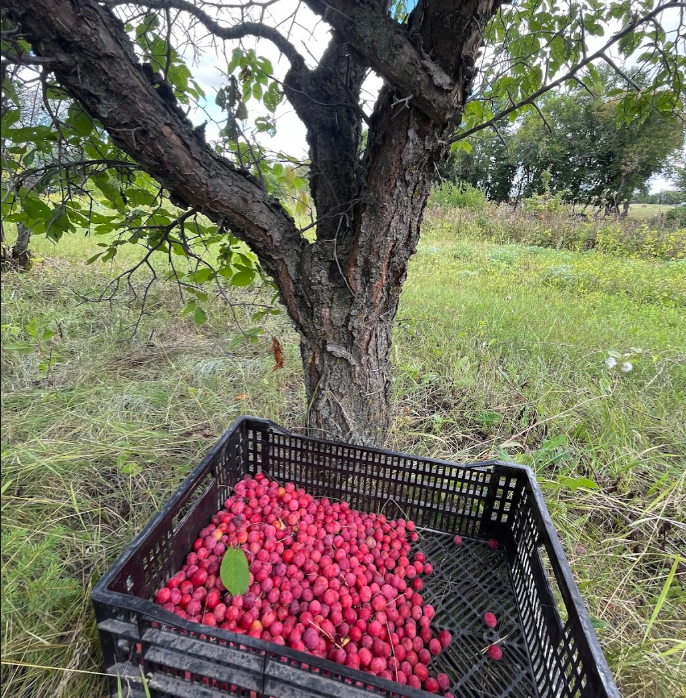
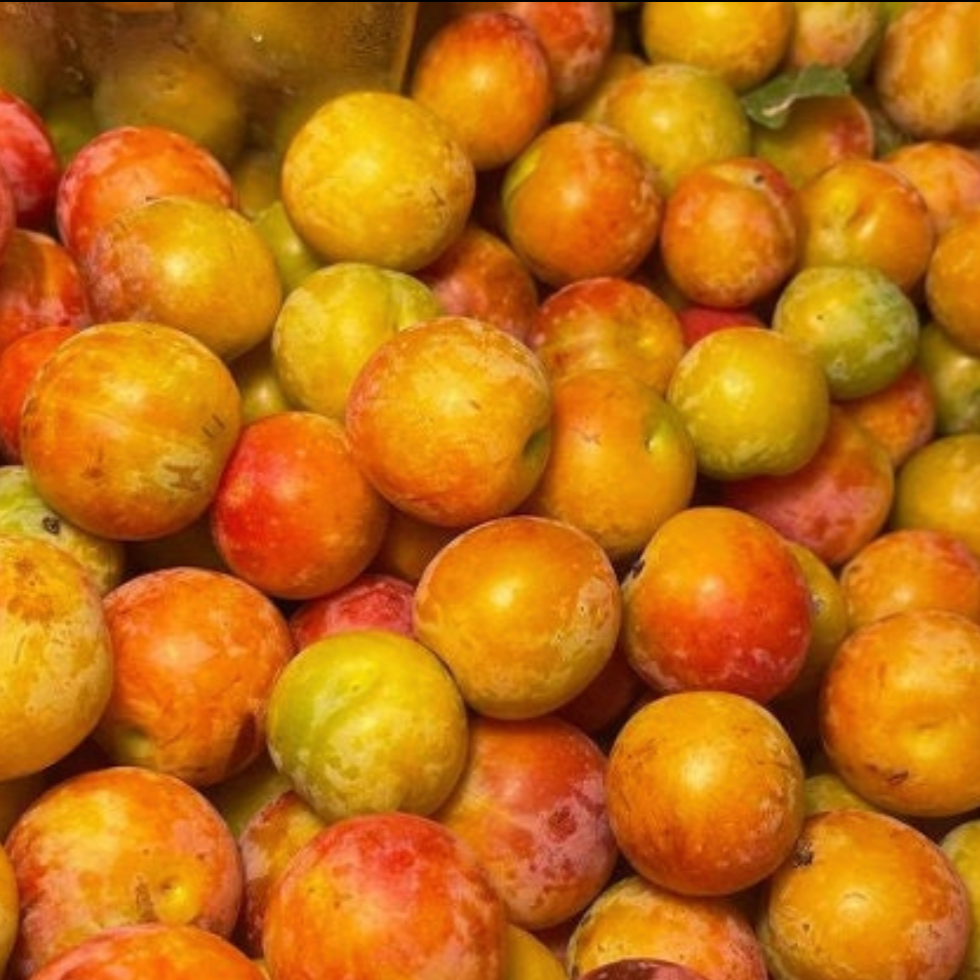
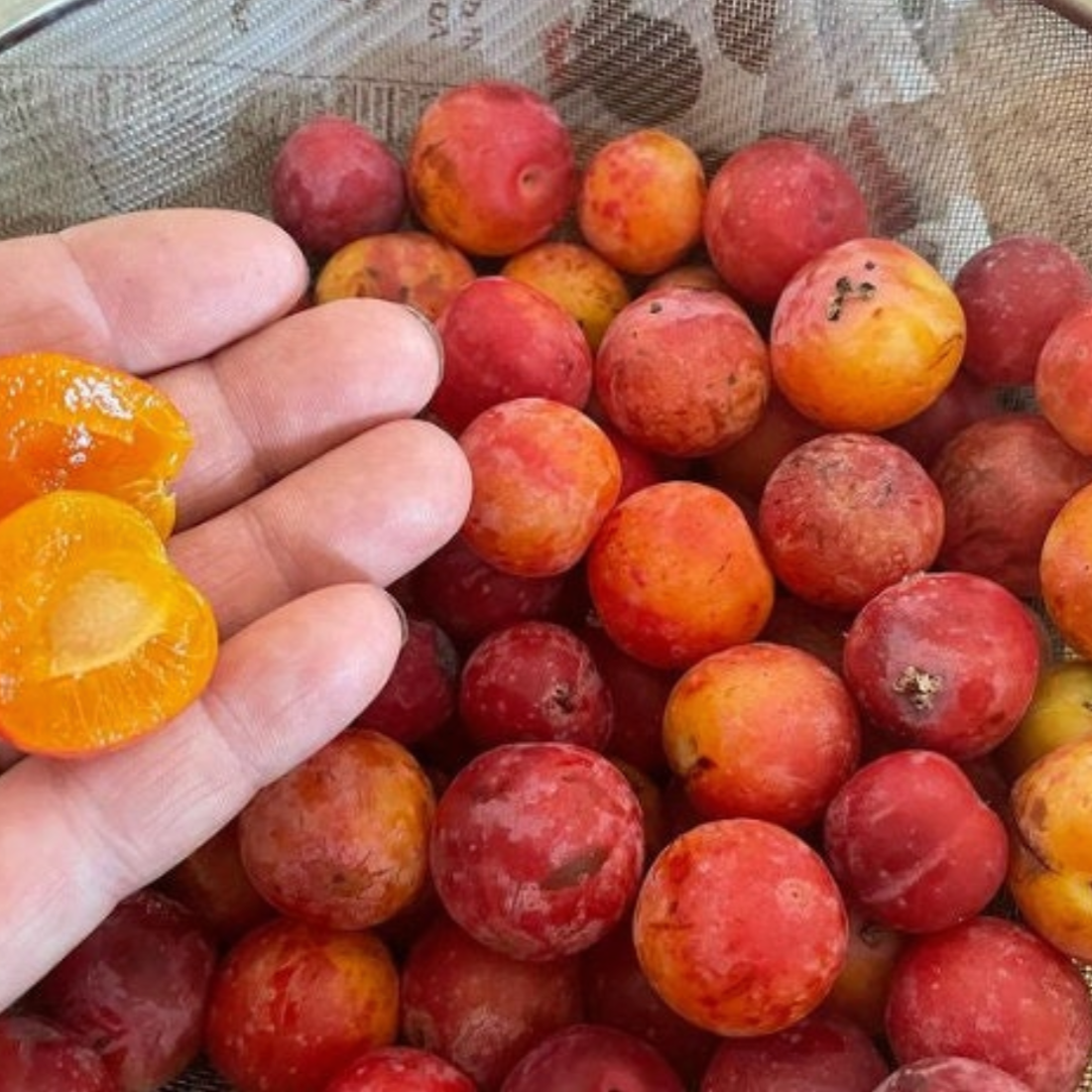
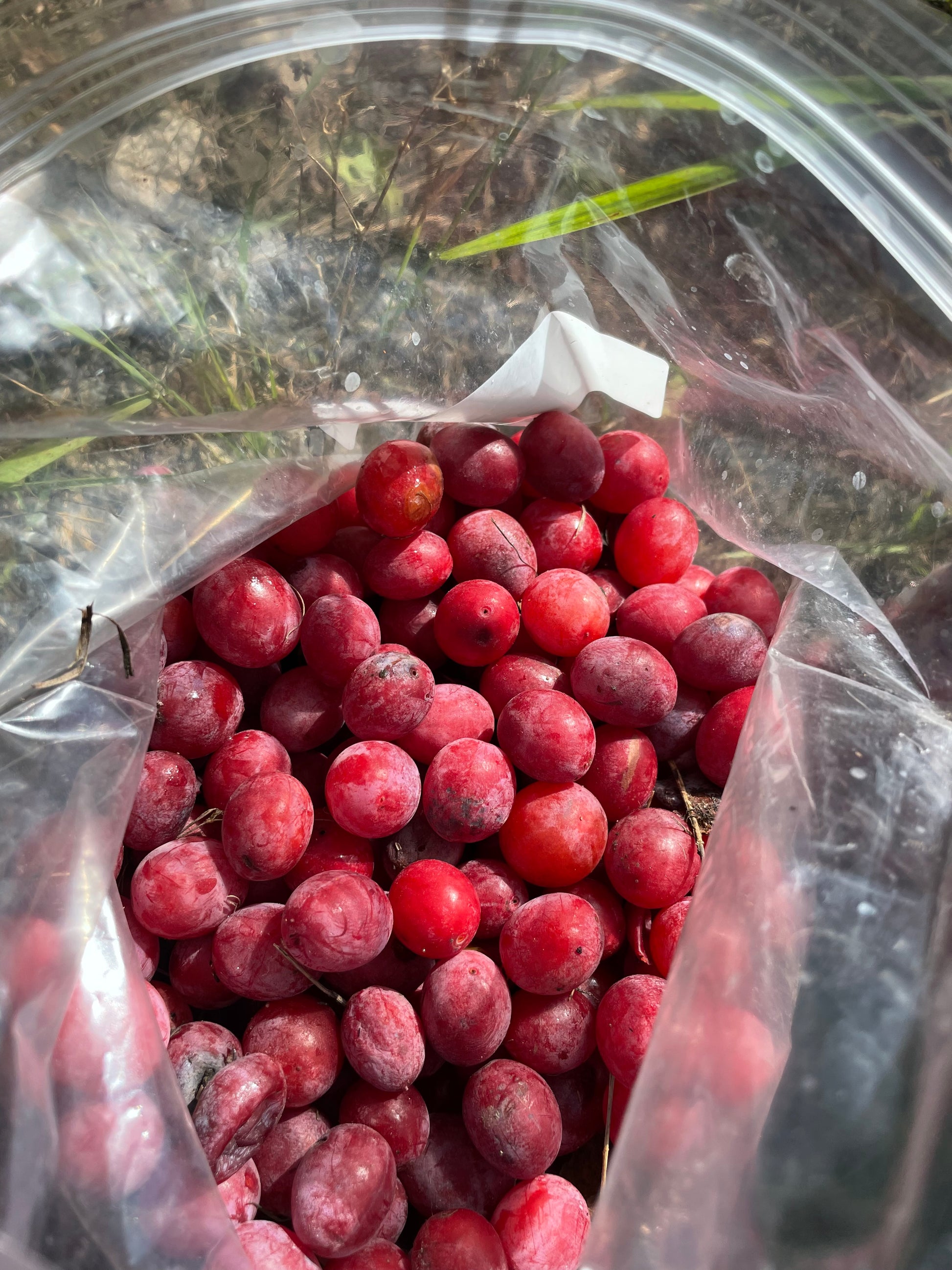
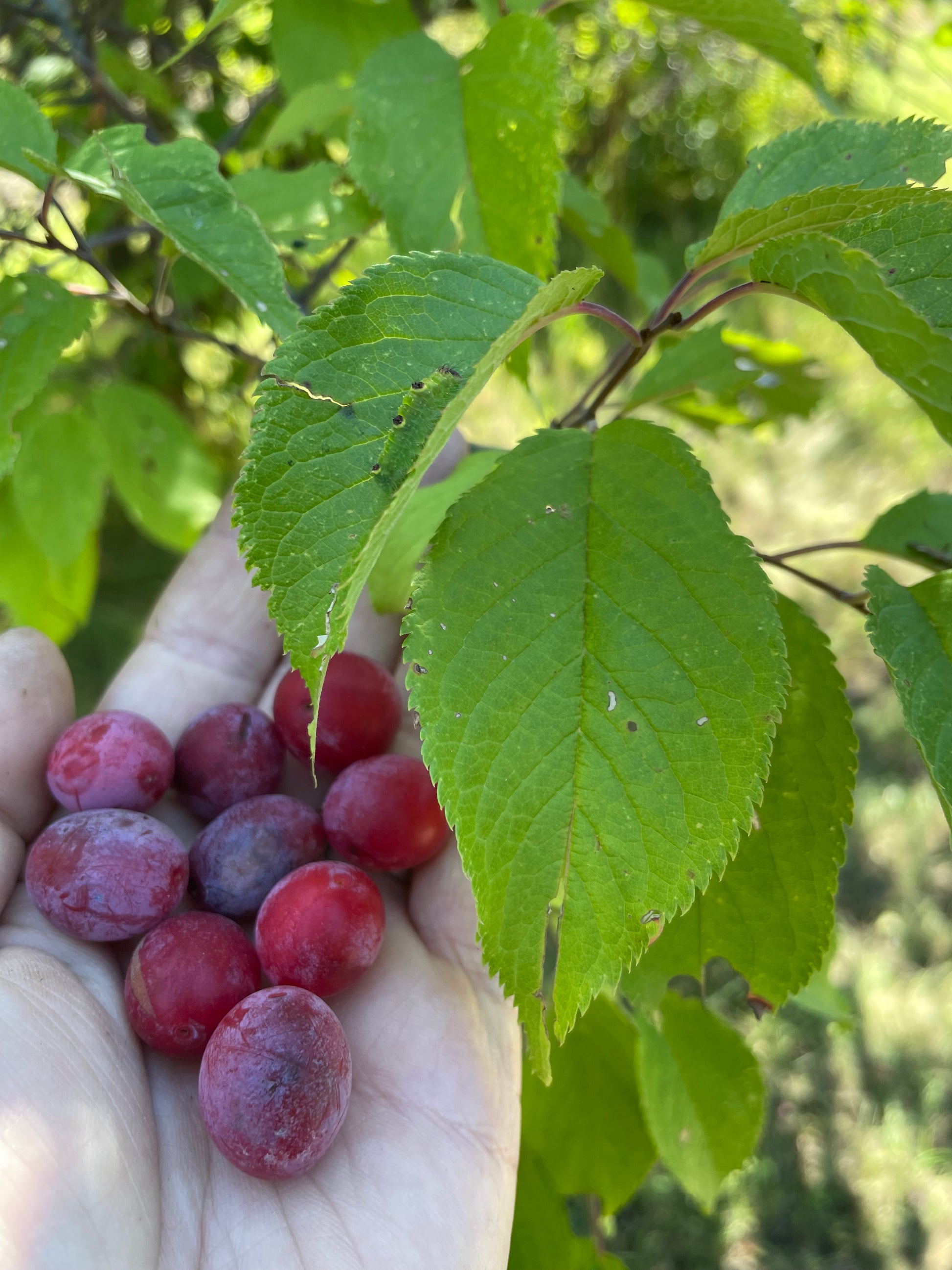
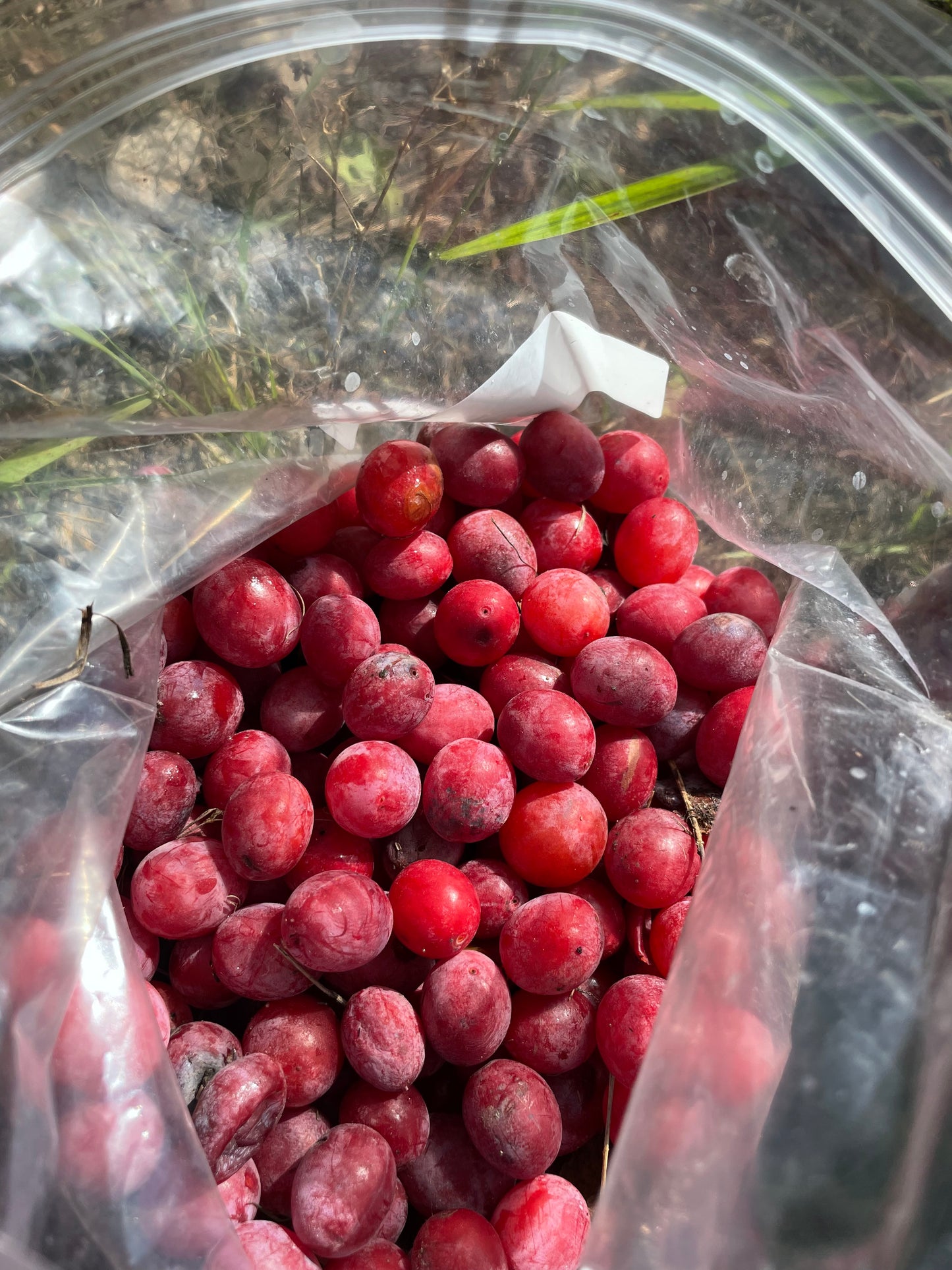
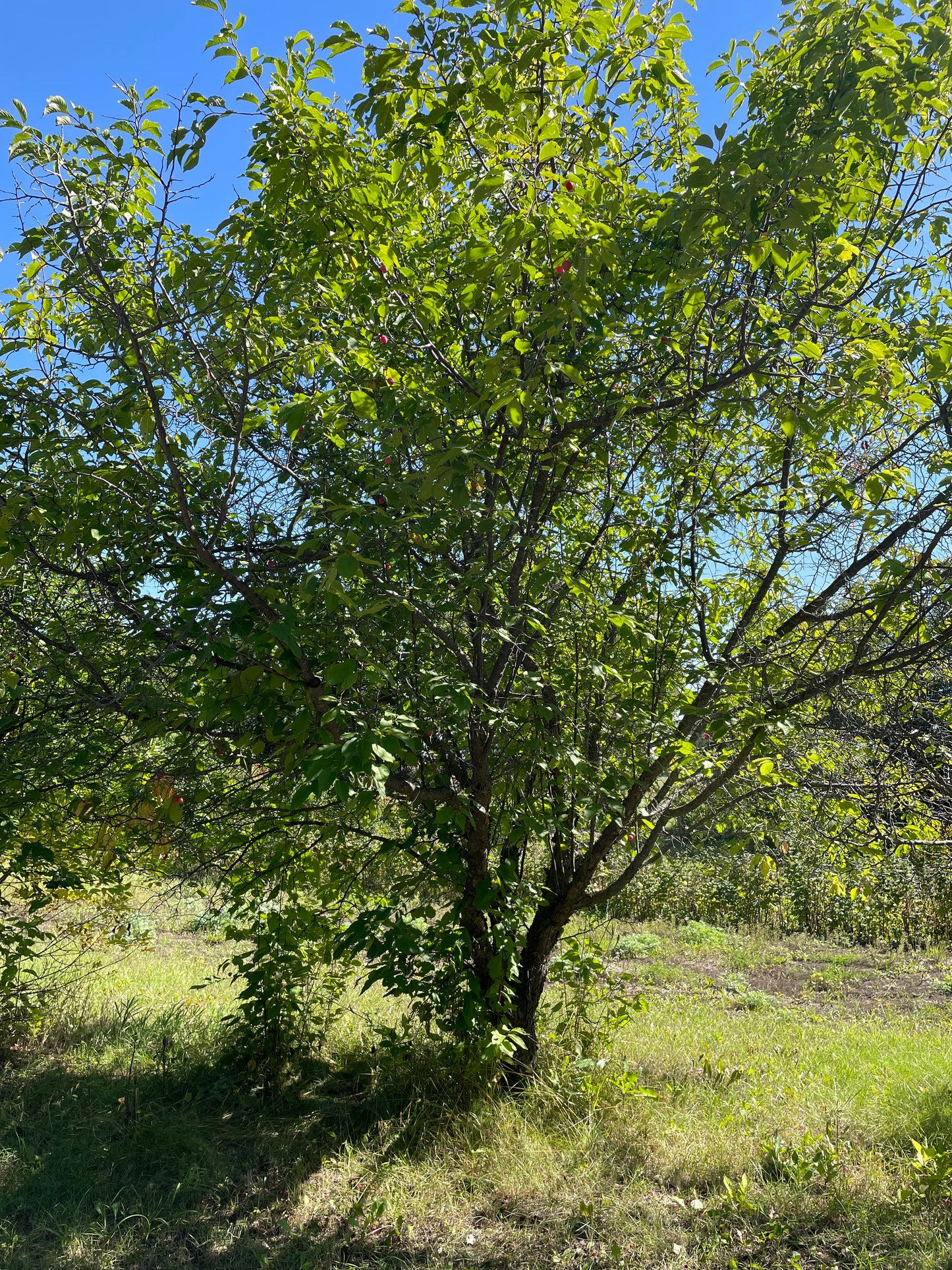
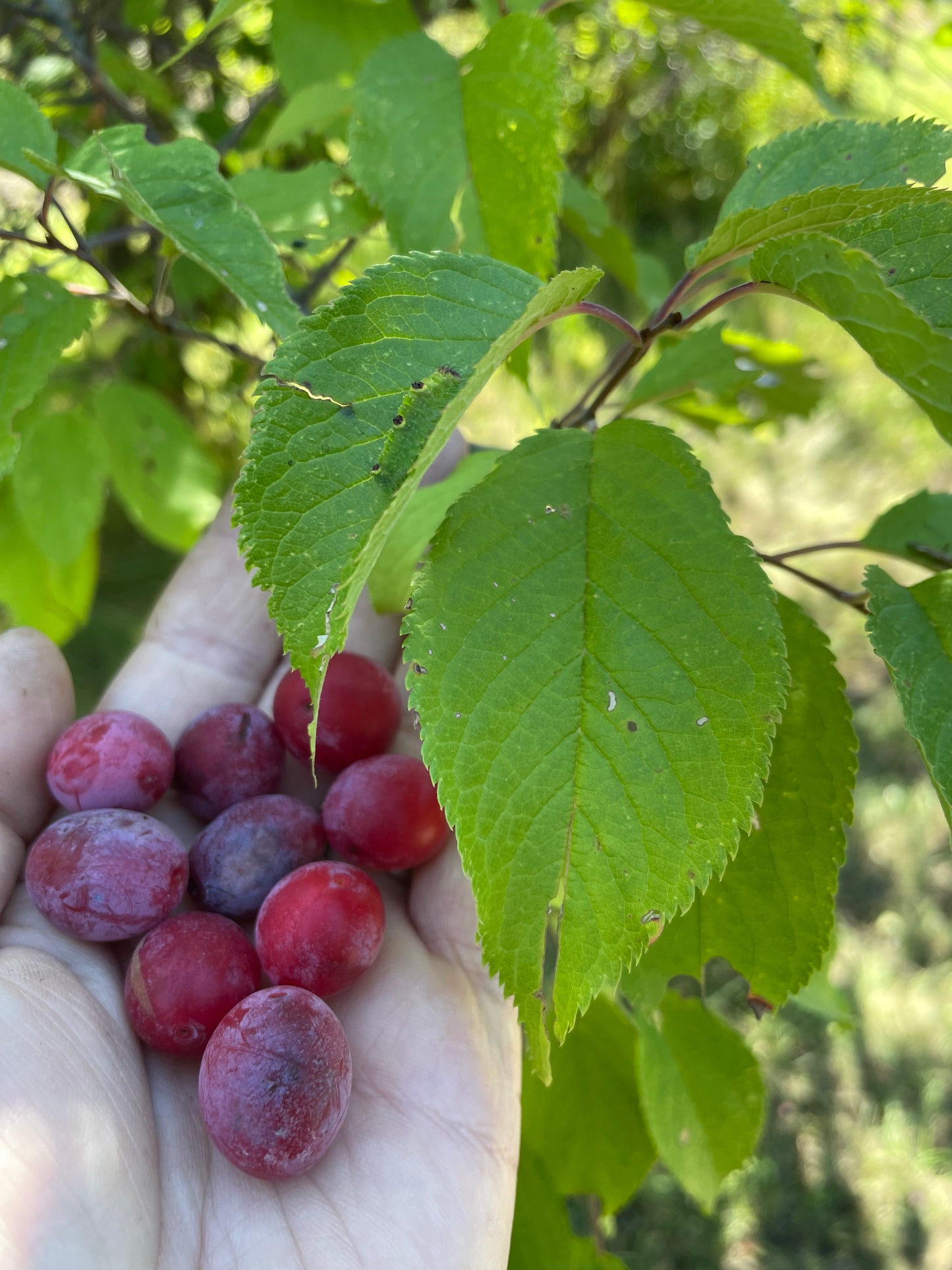
El ciruelo silvestre americano (Prunus americana) produce pequeñas ciruelas redondas de sabor dulce y ácido. Los frutos varían del amarillo al rojo oscuro, miden entre 5/8 y 1 pulgada de diámetro y aquí maduran a finales de agosto. Son buenos frescos o en mermelada y jalea.
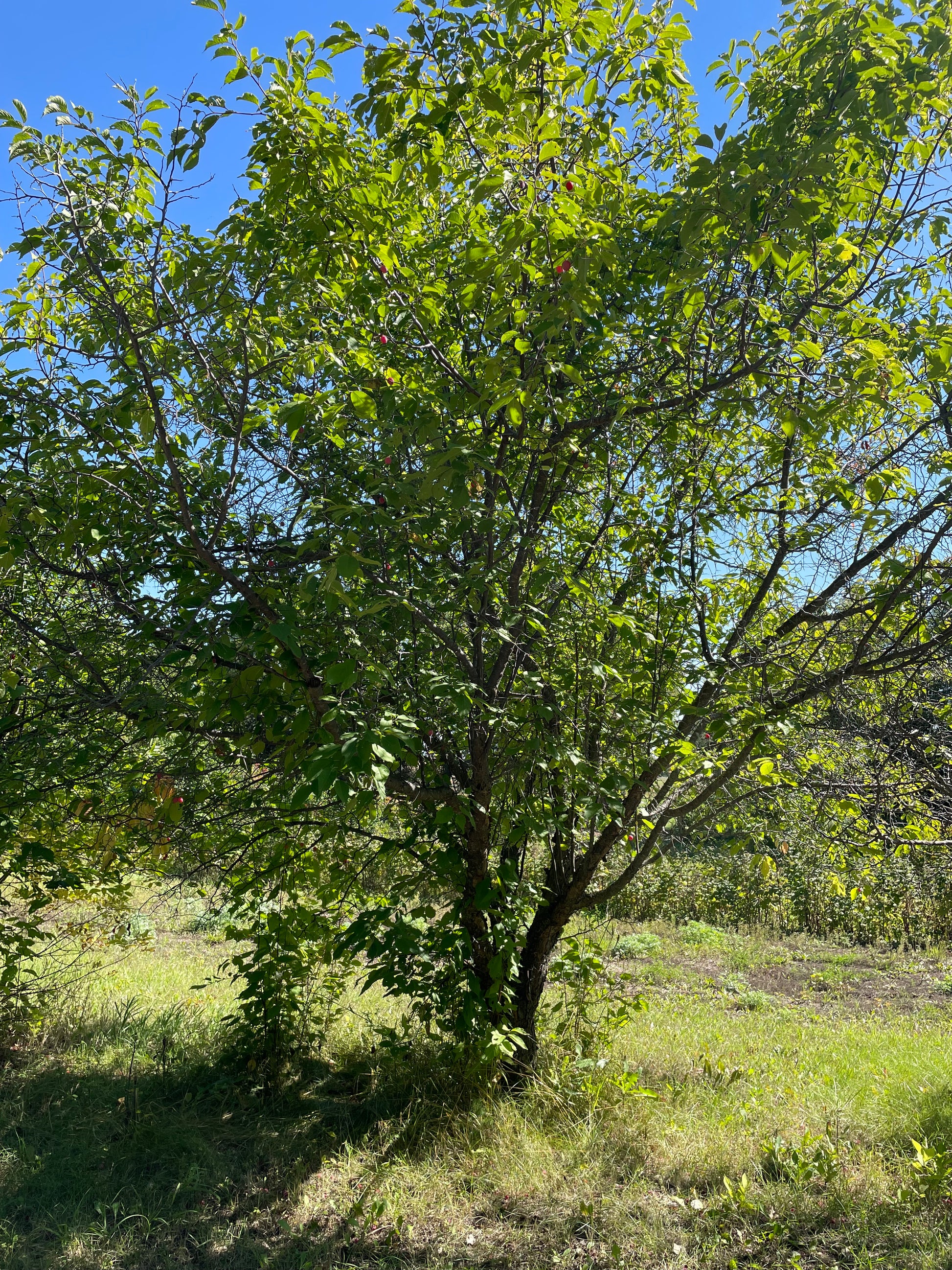
Los árboles son excelentes polinizadores para otros ciruelos y pueden mejorar la producción de fruto en una plantación mixta. En Oak Summit Nursery también cultivamos ciruelo silvestre americano como portainjerto para muchos cultivares de ciruelo. La especie alimenta a la fauna y puede crecer como arbusto de varios tallos o árbol pequeño.
Avísame cuando vuelva a estar disponible
Introduce tu correo electrónico para recibir un aviso cuando este artículo vuelva a estar disponible.
Gestiona este aviso desde la lista de artículos guardados del encabezado.
Cómo iniciar estas semillas
- Calor1 a 2 mesesEstratificación en un ambiente cálido
- Frío4 a 6 mesesEstratificación en frío
- SiembraDespués de la etapa fría5 a 8 meses desde el inicio
- Origen de la semilla
- Manitoba
- Rusticidad
- Zona 3
Cómo estratificar semillas
Primero la etapa cálida. Mantenga la misma bolsa a temperatura ambiente durante el periodo cálido indicado, luego pásela al refrigerador.
En el refrigerador. Ponga la semilla en una bolsa con un sustrato húmedo como turba, vermiculita, arena o fibra de coco. El sustrato solo sirve para retener la humedad. Mantenga la bolsa en el refrigerador, por encima del punto de congelación, durante el periodo frío indicado, luego siembre.
O al aire libre. Siembre la semilla al aire libre en otoño y deje que el invierno aporte el periodo frío.
La planta que crece de estas semillas
Características de cultivo
- Distribución nativa
- Nativo del centro y este de Canadá y de Estados Unidos.
- Ubicación y suelo
- Sol o algo de sombra. Suelo arenoso o franco y húmedo.
- Maduración
- De finales de agosto a principios de septiembre, según el árbol y el lugar.
Distribución y resistencia al fríoZona 3 · Mapas de Canadá para esta planta

Verde: provincias con registros nativos
MB · NB · ON · QC · SK
Zona 3 y zonas más cálidas
Los registros provinciales muestran la distribución nativa, no cada lugar donde crece la especie. El mapa indica la resistencia al frío invernal; también importan el suelo, la humedad y el calor del verano.
Acerca de estos mapas
Clima: Recursos Naturales de Canadá, 1991–2020. Distribución provincial: VASCAN, según la investigación botánica conservada. Límites provinciales: Natural Earth, dominio público.
Licencia de Gobierno Abierto de Canadá Semillas de cerezo de Nankín
 Semillas de albaricoquero de Manchuria
 Semillas de ciruelos de semilla
 Semillas de cerezo de Virginia Garrington
 Semillas de cerezo de Pensilvania