


Oak Summit Nursery
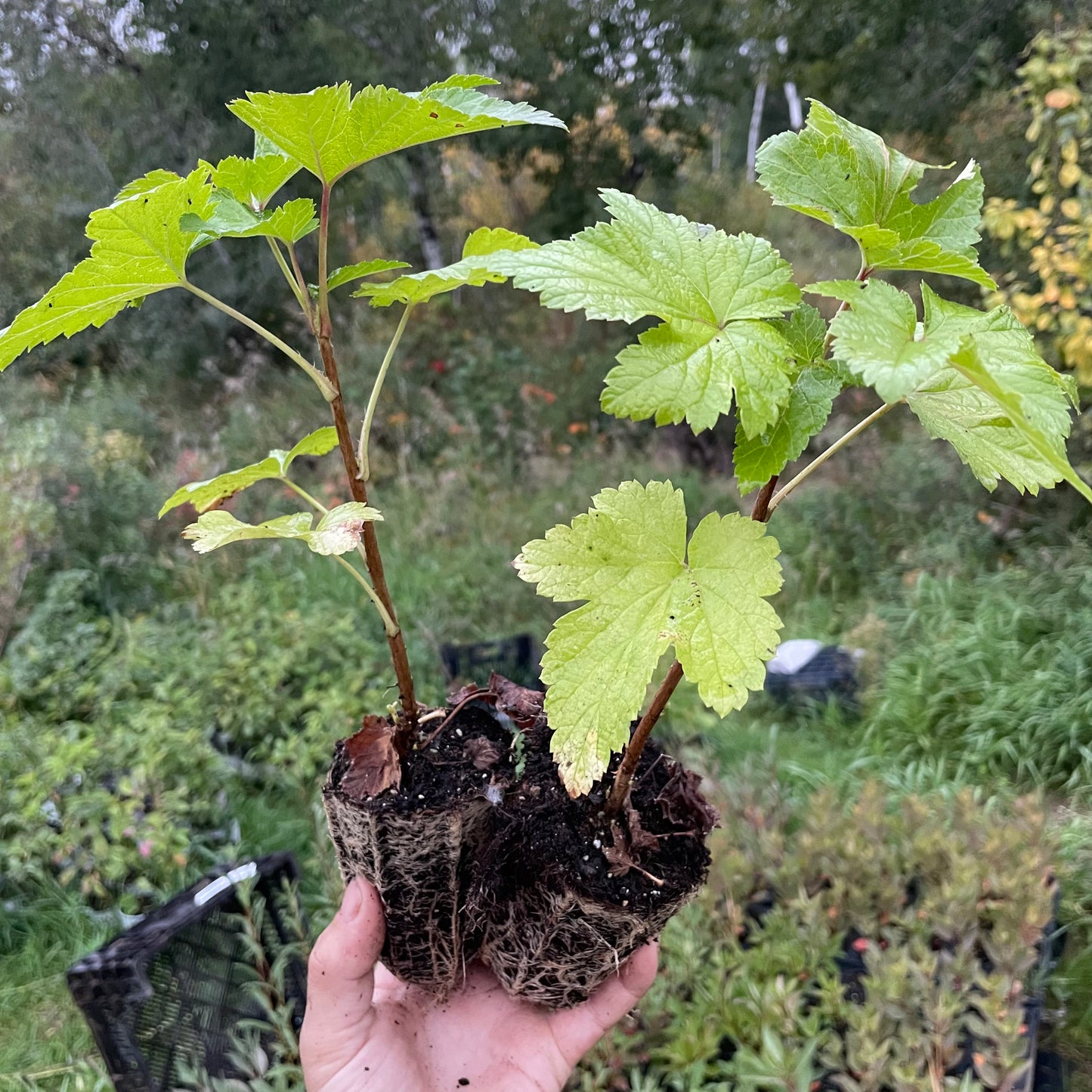
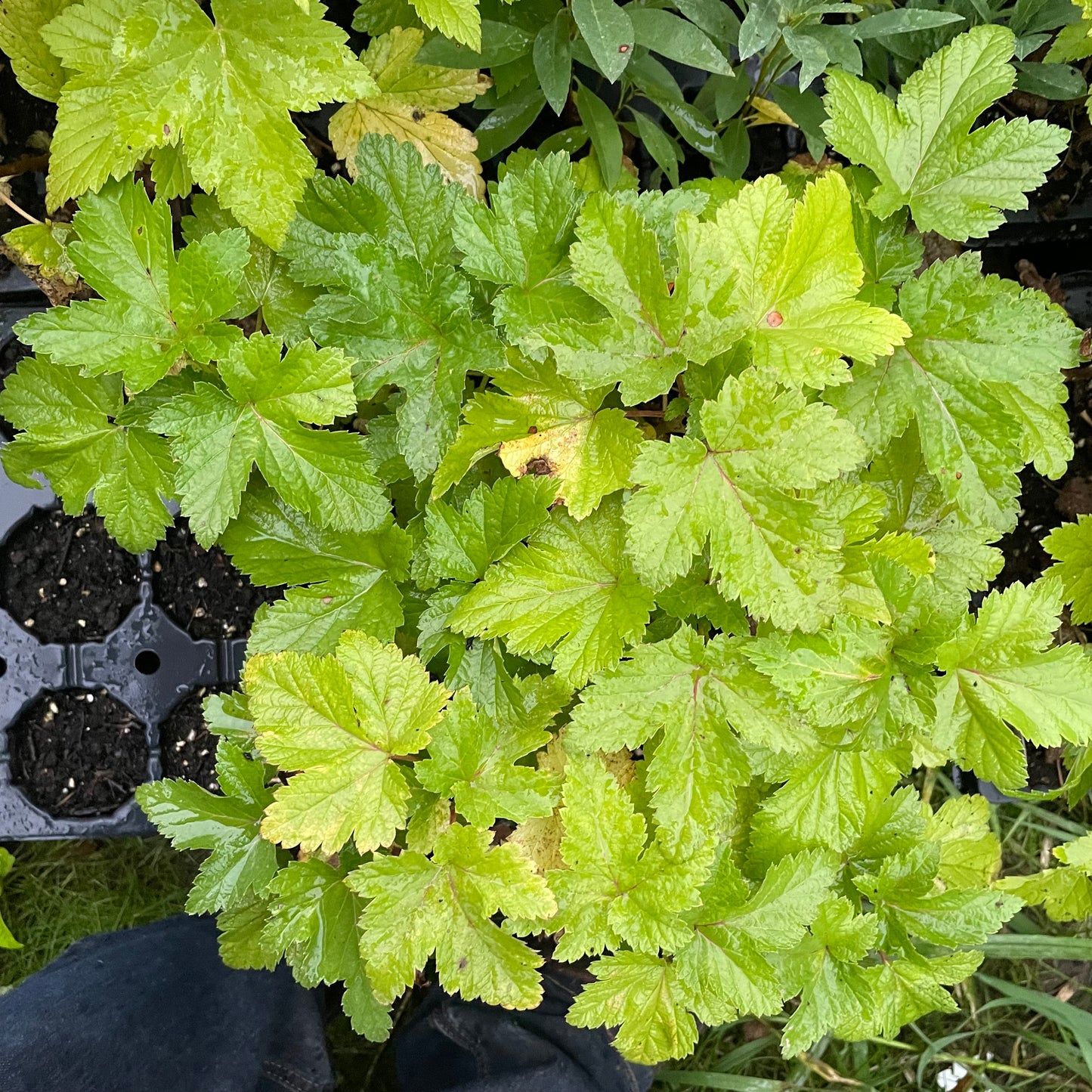
Storklas Black Currant
Storklas Black Currant
Regular price
$15.00 CAD
Regular price
Sale price
$15.00 CAD
Unit price
per
Plant orders start at $30.
Compare offered sizes
Couldn't load pickup availability
Storklas is a Swedish black currant selection that bears long strings of dark berries. Their clean juice balances sweetness and tartness and is suited to pressing, preserves, and freezing.
The compact upright bushes suit close rows and harvest by hand or machine. Storklas is described as tolerant of powdery mildew and leaf spot and performs reliably in windy shelterbelts and dense plantings.
Winter plant sales open in December
Growing details
- Hardiness
- Zone 3
- Habit
- Compact and uprightSuits close rows and picking by hand or machine
- Fruit
- Long strings of dark berriesClean juice that balances sweetness and tartness
- Uses
- Pressing, preserves and freezing
- Disease
- Described as tolerant of powdery mildew and leaf spot
- Site and soil
- Full sun or part shade in moist soil that drains wellReliable in windy shelterbelts and dense plantings
More about this plant
From Sweden
Storklas is a Swedish black currant selection.
Compare
Cold hardinessZone 3 · Canadian maps for this plant

Zone 3 and warmer
The map shows minimum winter hardiness. Soil, moisture and summer warmth also affect how a plant grows.
About these maps
Climate: Natural Resources Canada, 1991–2020. Provincial distribution: VASCAN via retained botanical research. Province outlines: Natural Earth, public domain.
Open Government Licence – Canada