


Oak Summit Nursery
Aurora Haskap
Aurora Haskap
Regular price
$15.00 CAD
Regular price
Sale price
$15.00 CAD
Unit price
per
Plant orders start at $30.
Compare offered sizes
Also sold as seed: Aurora Haskap Seeds · from $7.95 Seed grown plants may differ from a named cultivar.
Couldn't load pickup availability
Aurora is a University of Saskatchewan haskap with large, elongated berries and a comparatively mild, sweet flavour. Lower acidity makes its fully ripe fruit taste sweeter than many other haskaps.
Its upright habit leaves the berries relatively exposed and easy to pick. Saskatoon observations place ripening around early July. Choose a different compatible cultivar with overlapping bloom; Boreal Beast is a useful partner in the current breeder guidance.
Winter tree ordering reminder
This tree is currently unavailable. Add a reminder and we’ll email when it returns for the winter tree ordering season.
Manage this reminder with your saved products from the header.


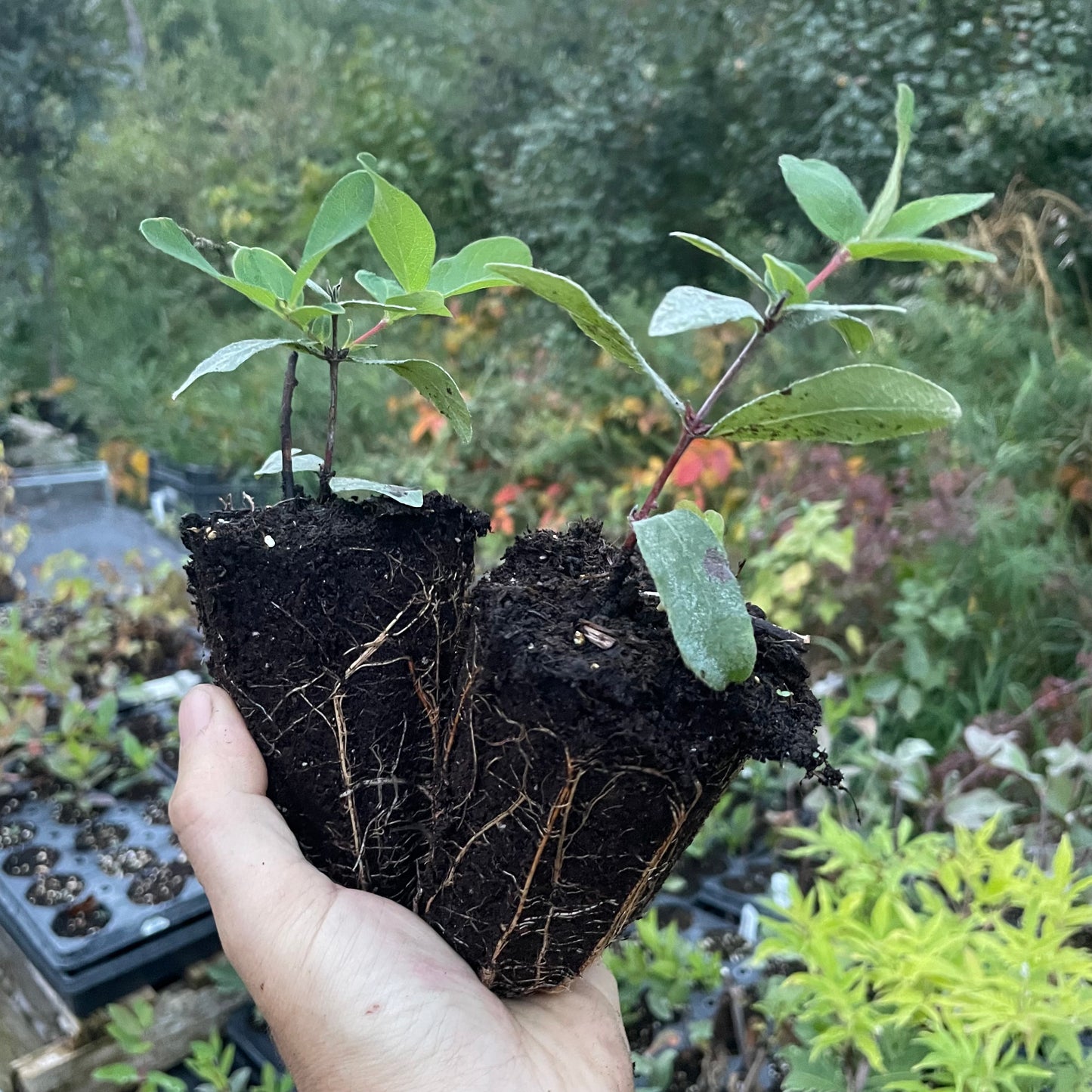
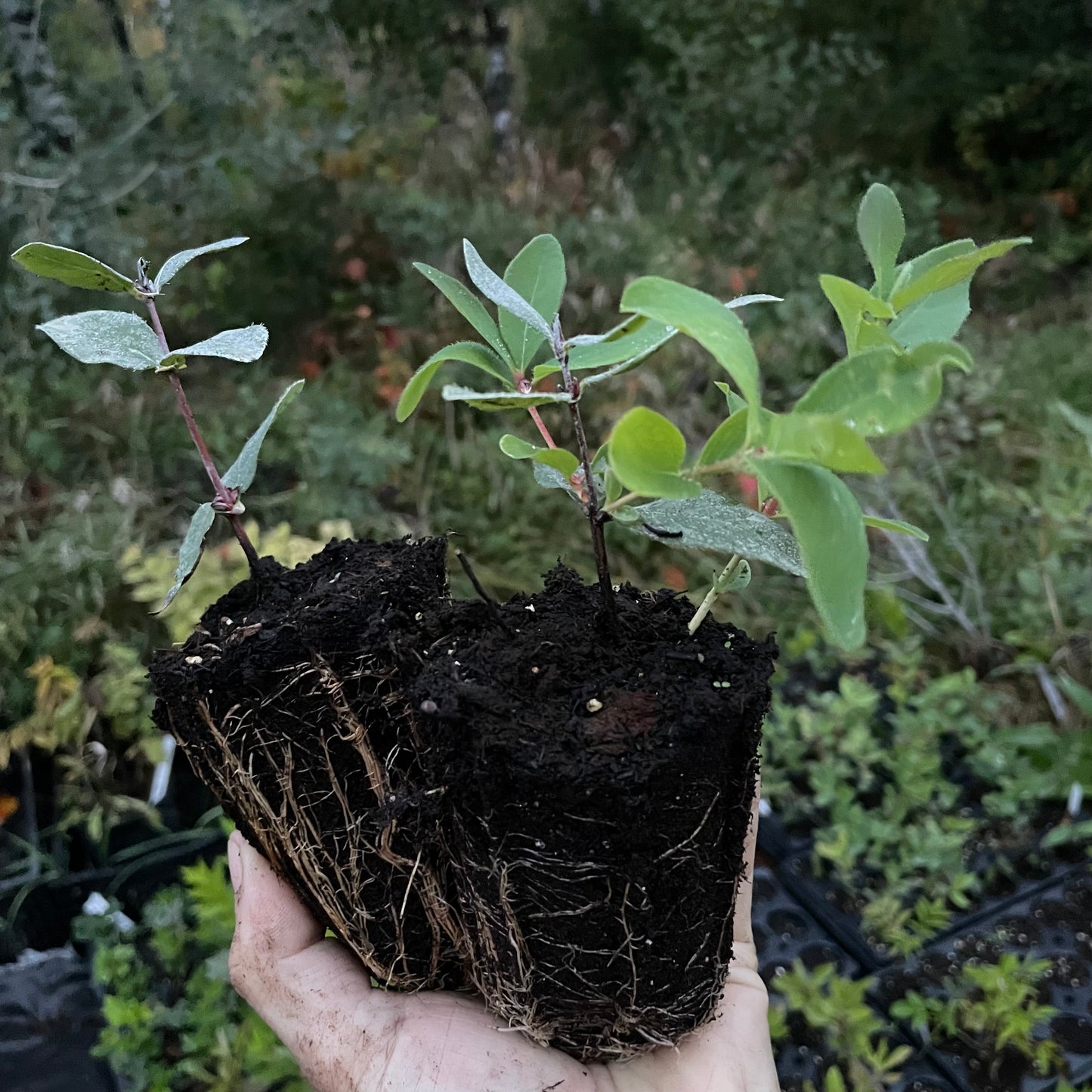
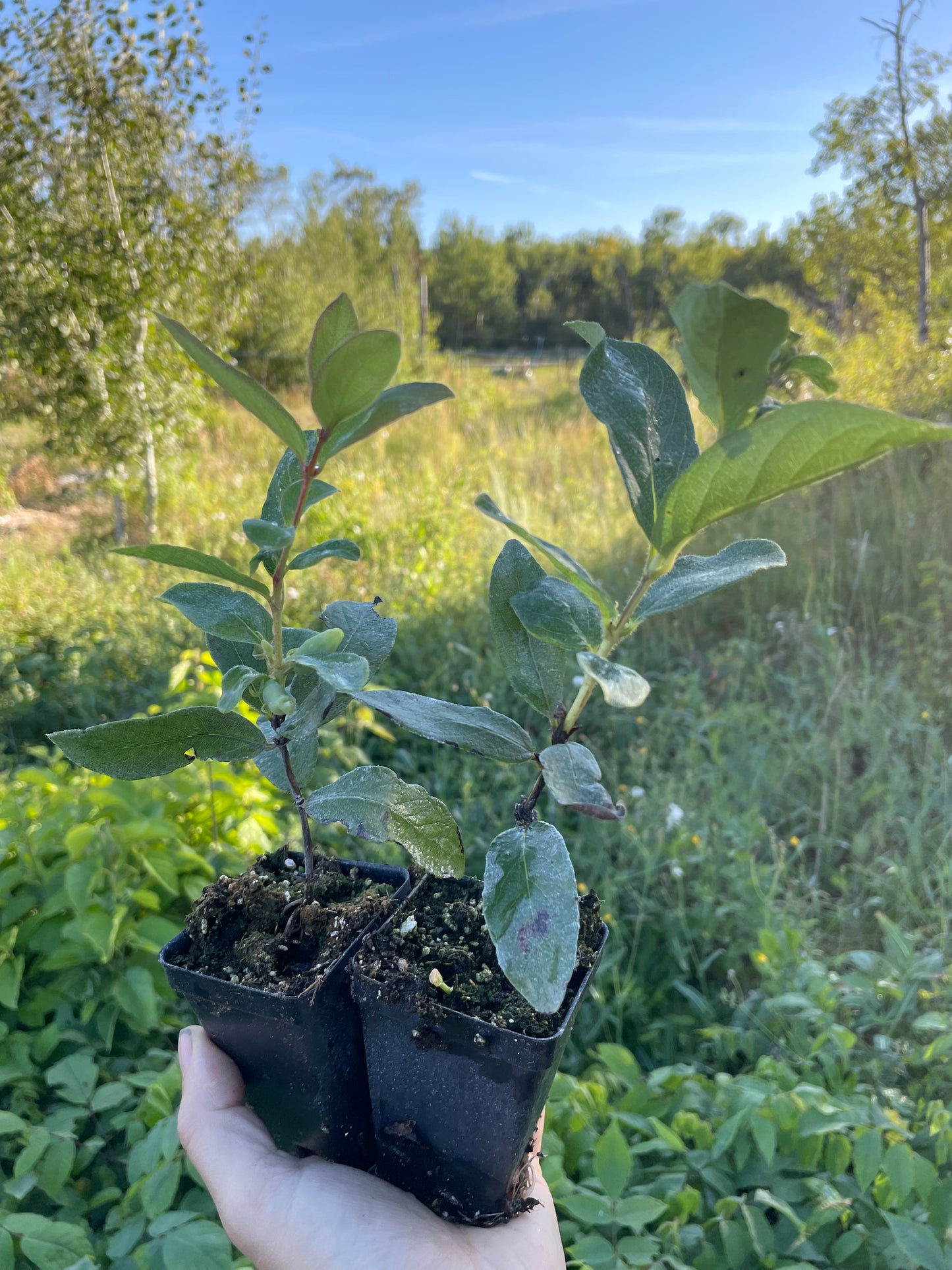
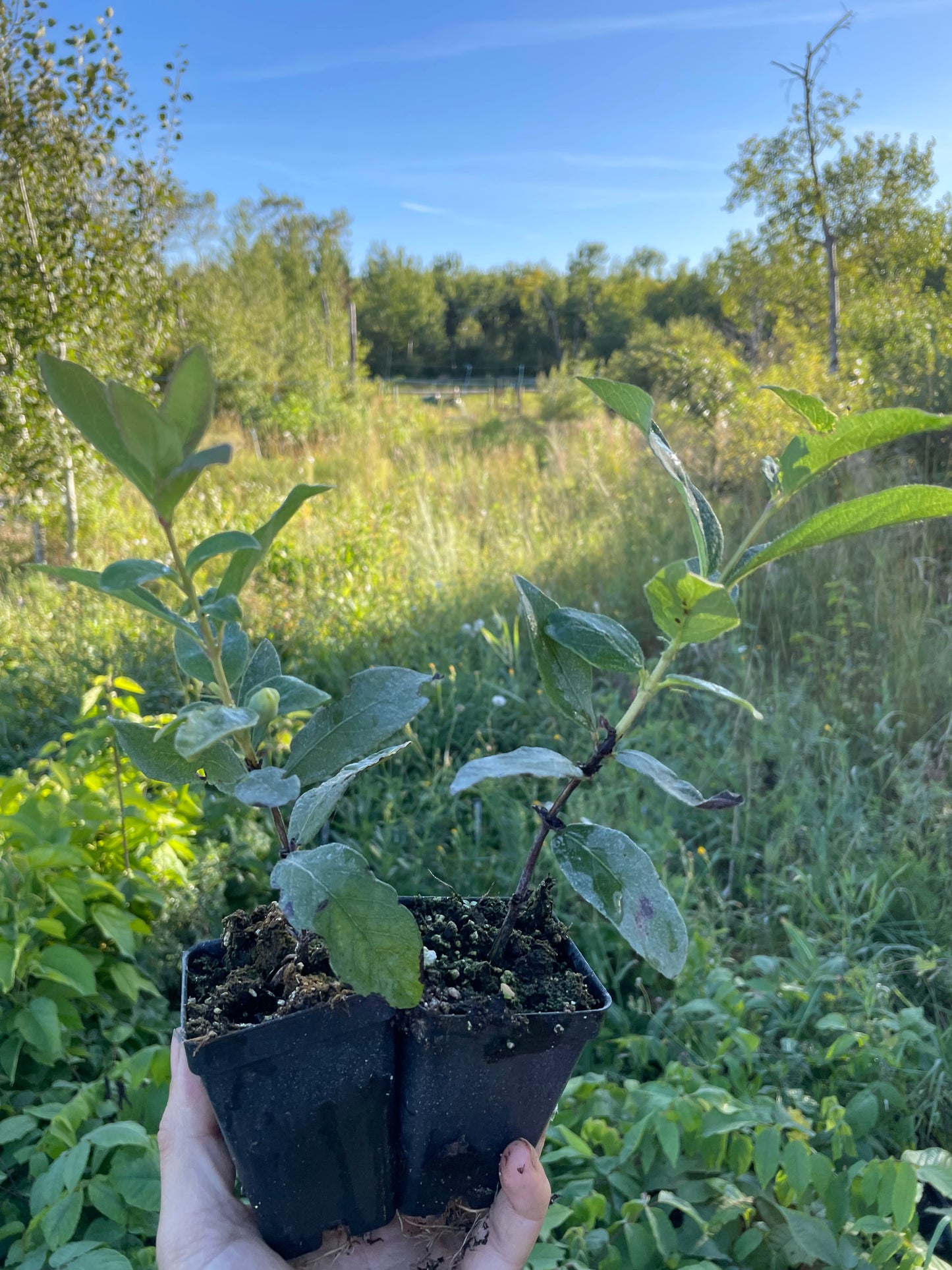
Growing details
- Hardiness
- Zone 2
- Fruit
- Large, elongated berriesMild and sweet, with less acid than many haskaps
- Mature size
- 5 to 6 ft tallUpright, so the berries are exposed and easy to pick
- Disease
- High reported resistance to mildewResistant, not immune
- Site and soil
- Full sun for the best cropsWell drained loam or sandy loam
Ripening
Early July
As the breeders saw it at Saskatoon
More about this plant
From the University of Saskatchewan
Aurora was bred at the University of Saskatchewan.
Compare
Cold hardinessZone 2 · Canadian maps for this plant

Zone 2 and warmer
The map shows minimum winter hardiness. Soil, moisture and summer warmth also affect how a plant grows.
About these maps
Climate: Natural Resources Canada, 1991–2020. Provincial distribution: VASCAN via retained botanical research. Province outlines: Natural Earth, public domain.
Open Government Licence – CanadaPollination
Haskaps need a second, different variety to set fruit. Aurora flowers early to mid season. The varieties below flower with it and belong to groups the University of Saskatchewan rates as compatible.
| Plant alongside | When it flowers |
|---|---|
| Indigo Treat Haskap | Flowers early. |
| Indigo Gem Haskap | Flowers early. |
| Polar Jewel Haskap | Flowers early to mid season. |
| Berry Blue Haskap | Flowers very early and keeps flowering for a long time. |