


Oak Summit Nursery
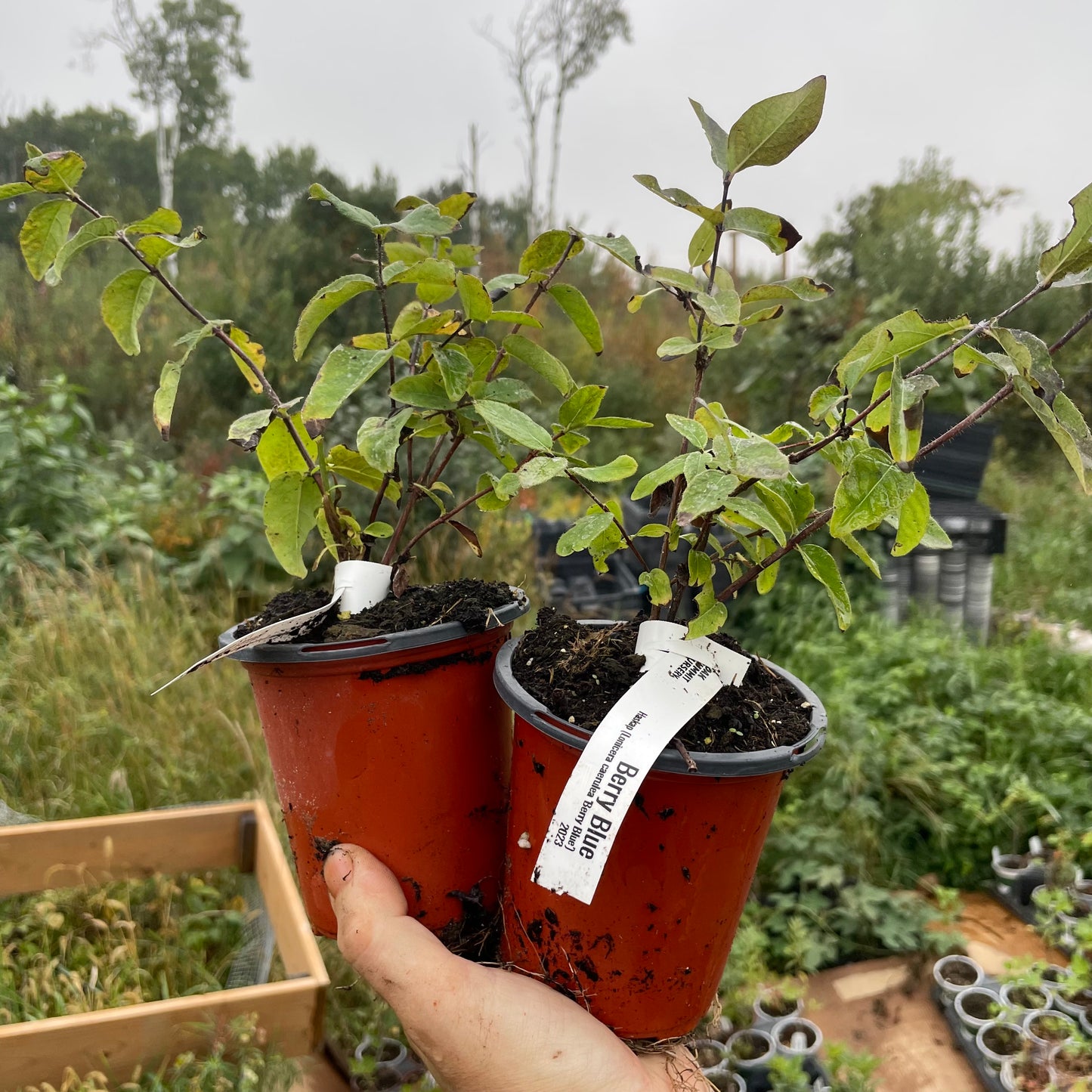
Berry Blue Haskap
Berry Blue Haskap
Regular price
$19.00 CAD
Regular price
Sale price
$19.00 CAD
Unit price
per
Plant orders start at $30.
Compare offered sizes
Couldn't load pickup availability
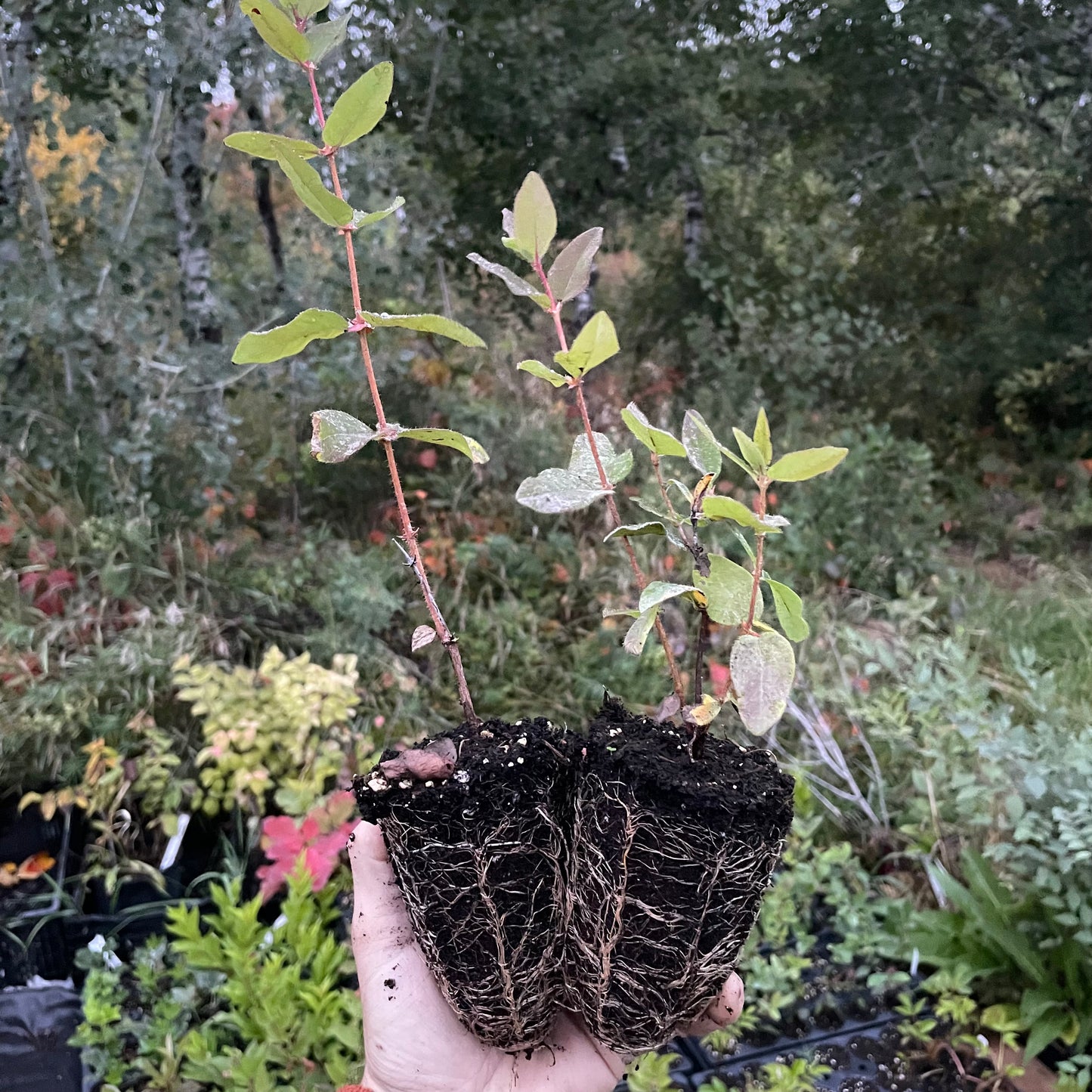
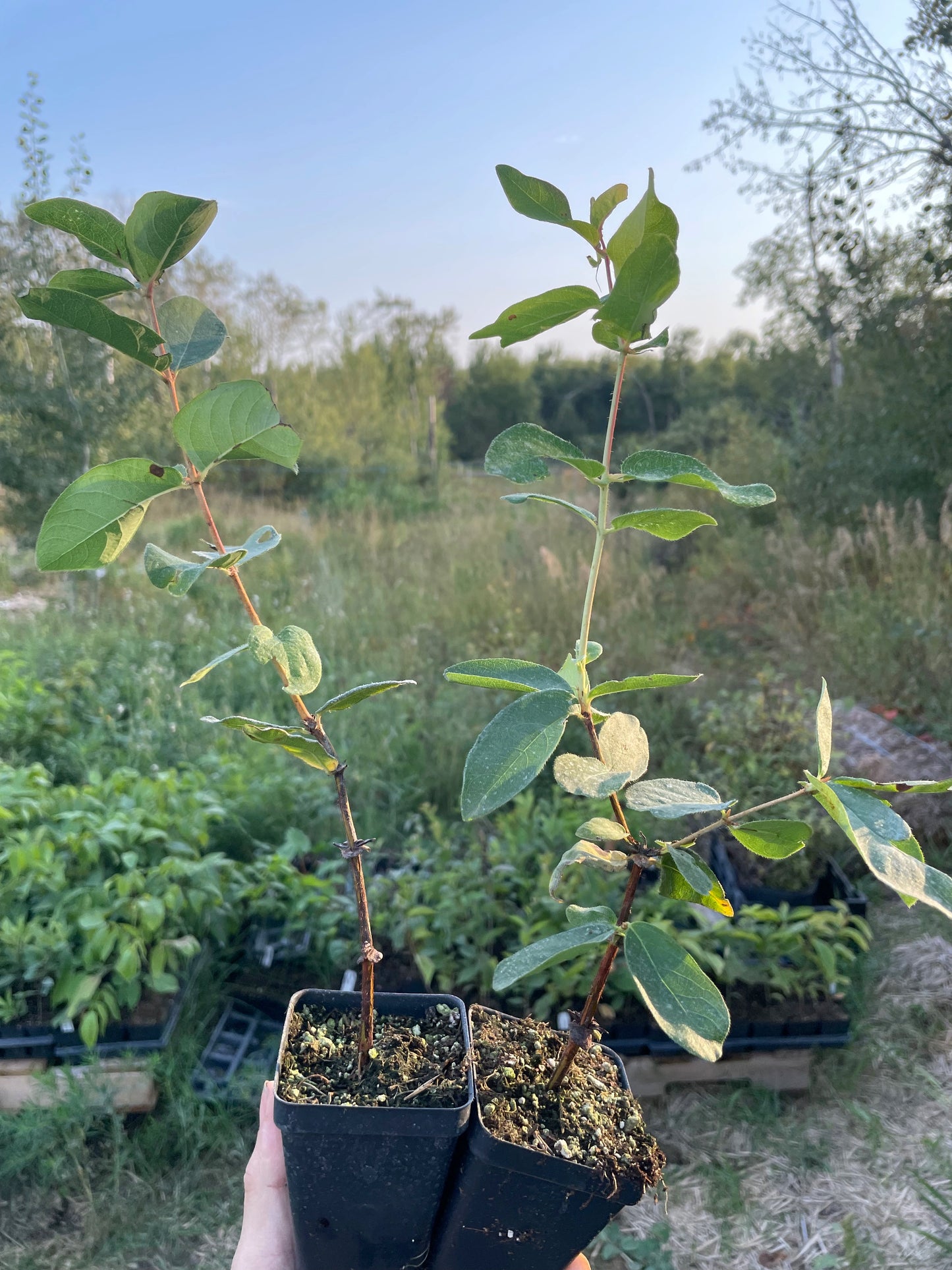
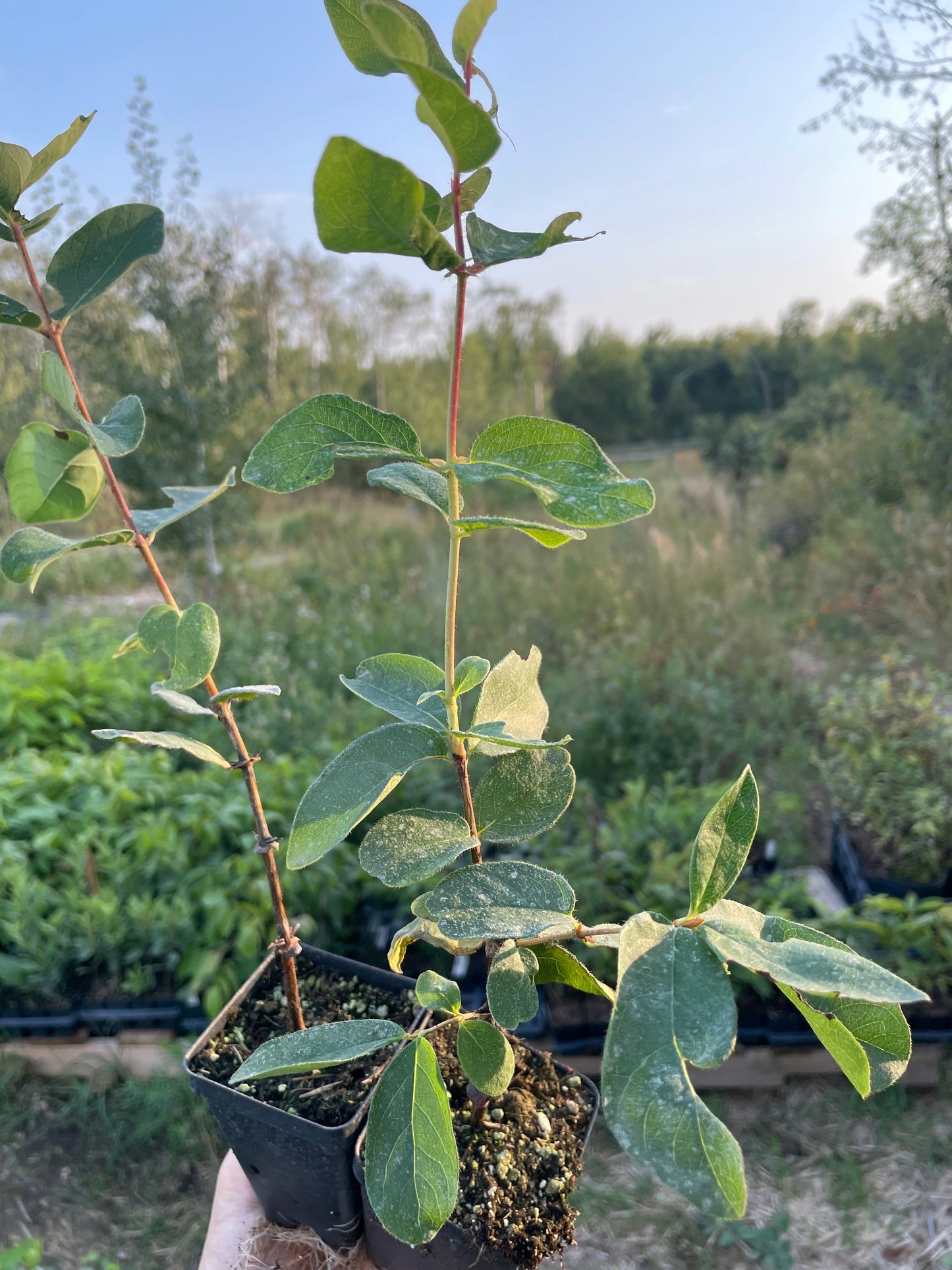
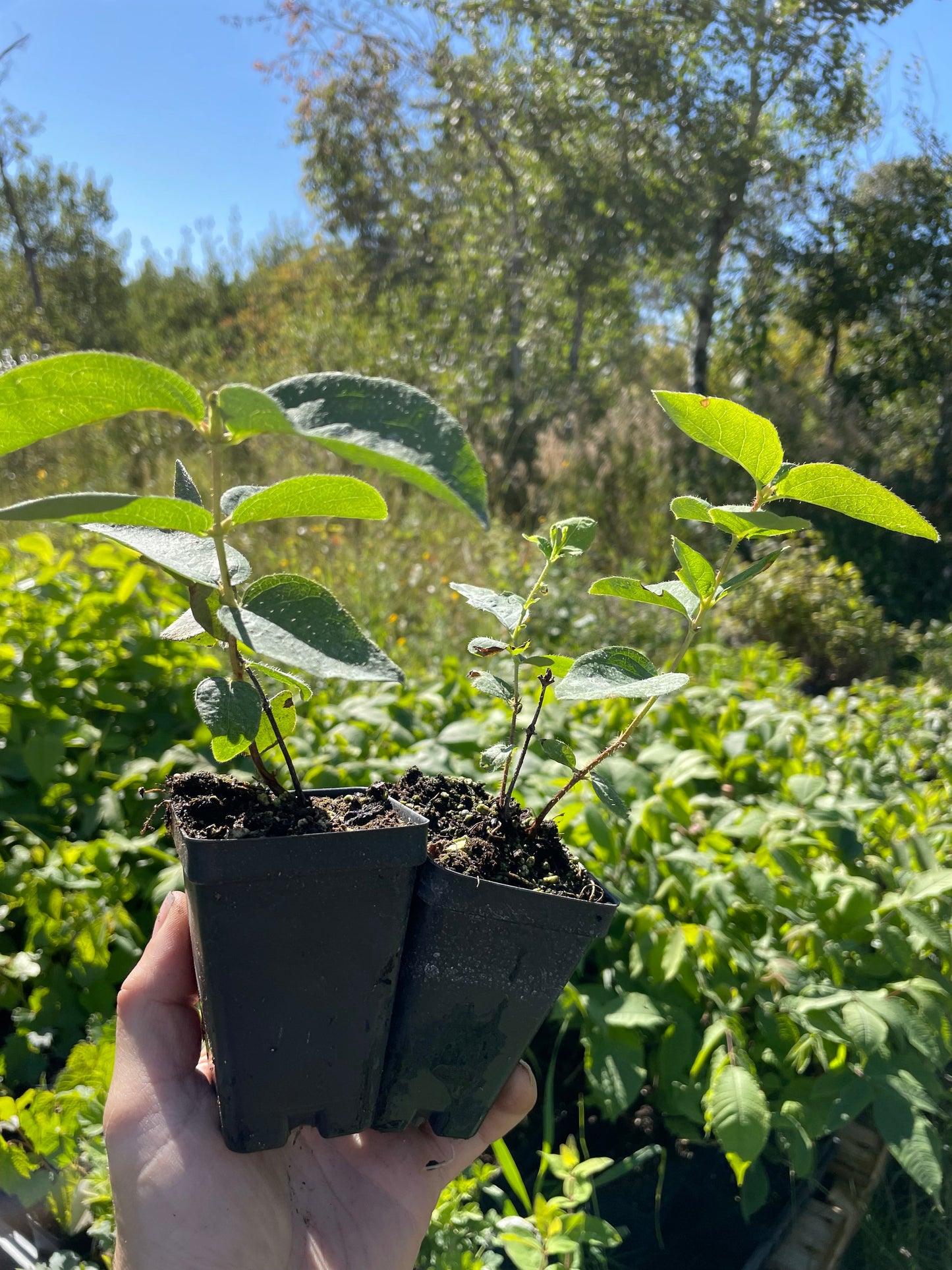
Berry Blue is a Russian haskap selection with heavy crops of small, dark blue berries. The fruit ripens early and can be eaten fresh, made into jam or frozen for later use.
Its long flowering period begins very early, making it useful alongside compatible early and mid season cultivars. Indigo Gem, Indigo Treat and Aurora are partner options in our collection.
Winter plant sales open in December Winter plant sales open in December
Request an availability reminder for this plant. Request an availability reminder for this plant.
Manage this reminder with your saved products from the header.

Growing details
- Hardiness
- Zone 2
- Fruit
- Heavy crops of small, dark blue berriesTart until fully ripe. Eaten fresh, made into jam, or frozen
- Mature size
- About 5 ft tallTall and vigorous, with many flowers
- Season
- Early
- Disease
- Susceptible to mildew
- Site and soil
- Full sun for the best cropsWell drained loam or sandy loam
More about this plant
A Russian selection
Berry Blue is a haskap selected in Russia.
Compare
Cold hardinessZone 2 · Canadian maps for this plant

Zone 2 and warmer
The map shows minimum winter hardiness. Soil, moisture and summer warmth also affect how a plant grows.
About these maps
Climate: Natural Resources Canada, 1991–2020. Provincial distribution: VASCAN via retained botanical research. Province outlines: Natural Earth, public domain.
Open Government Licence – CanadaPollination
Haskaps need a second, different variety to set fruit. Berry Blue flowers very early and for a long time. The varieties below flower with it and belong to groups the University of Saskatchewan rates as compatible.
The partners we list are sold out right now.