Oak Summit Nursery
Graines de gadellier d’Amérique sauvage
Graines de gadellier d’Amérique sauvage
Contenu du sachet : 30+ graines
Aussi offert en plant : Gadellier noir sauvage d’Amérique (Ribes americanum) · à partir de 15,00 $
Voir plus de Semences d’arbustes à petits fruitsImpossible de charger la disponibilité du service de retrait
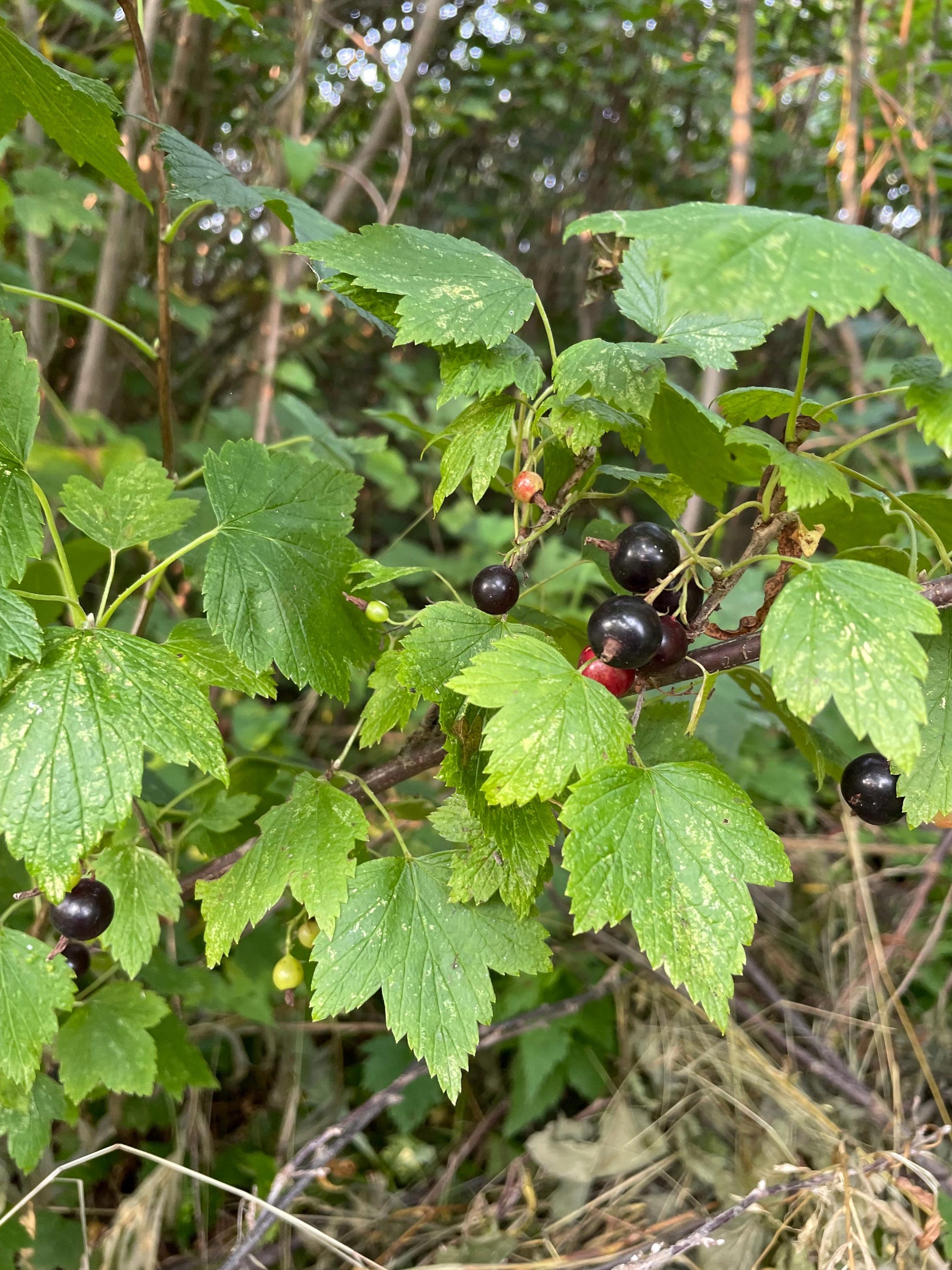
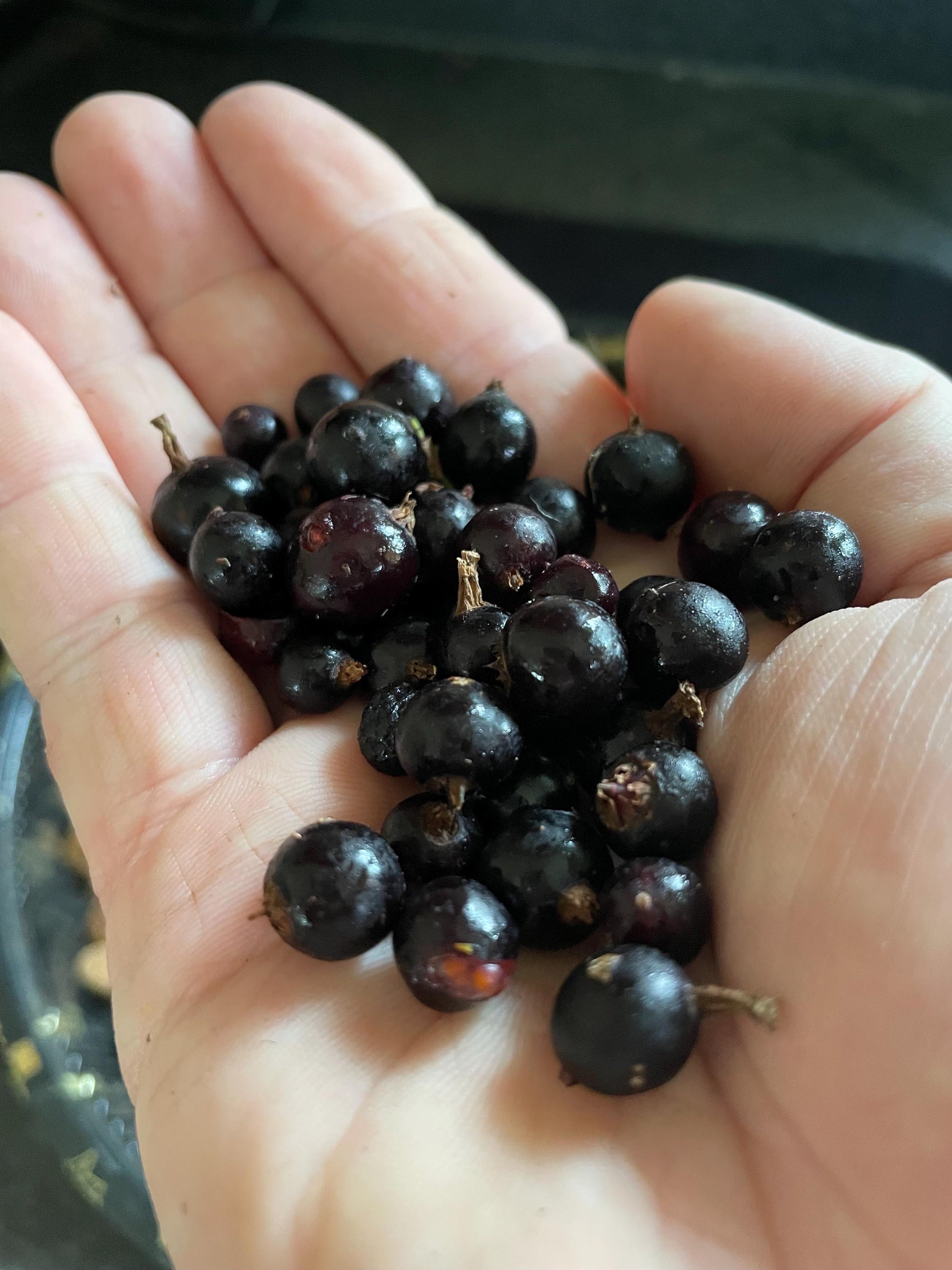
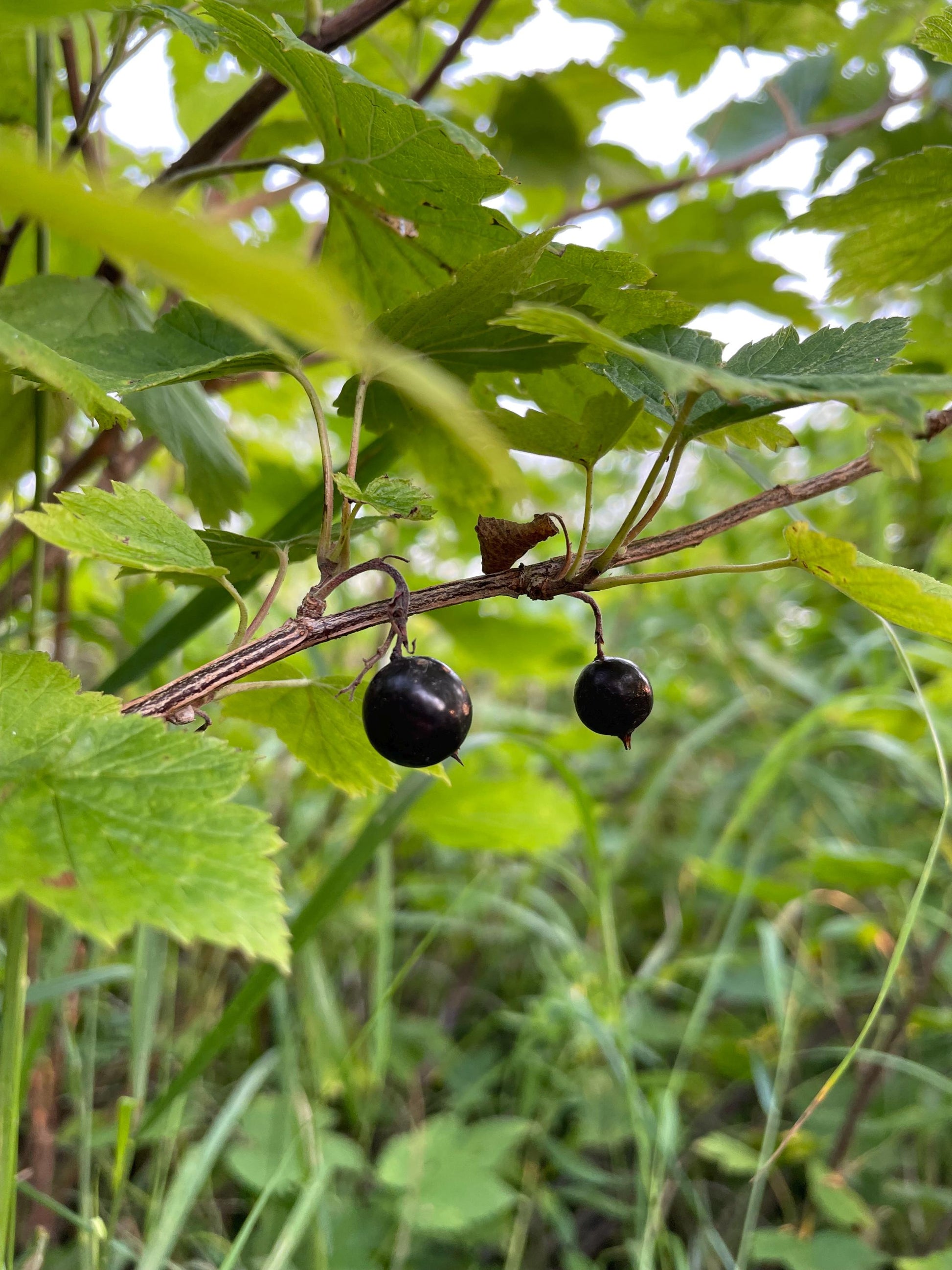
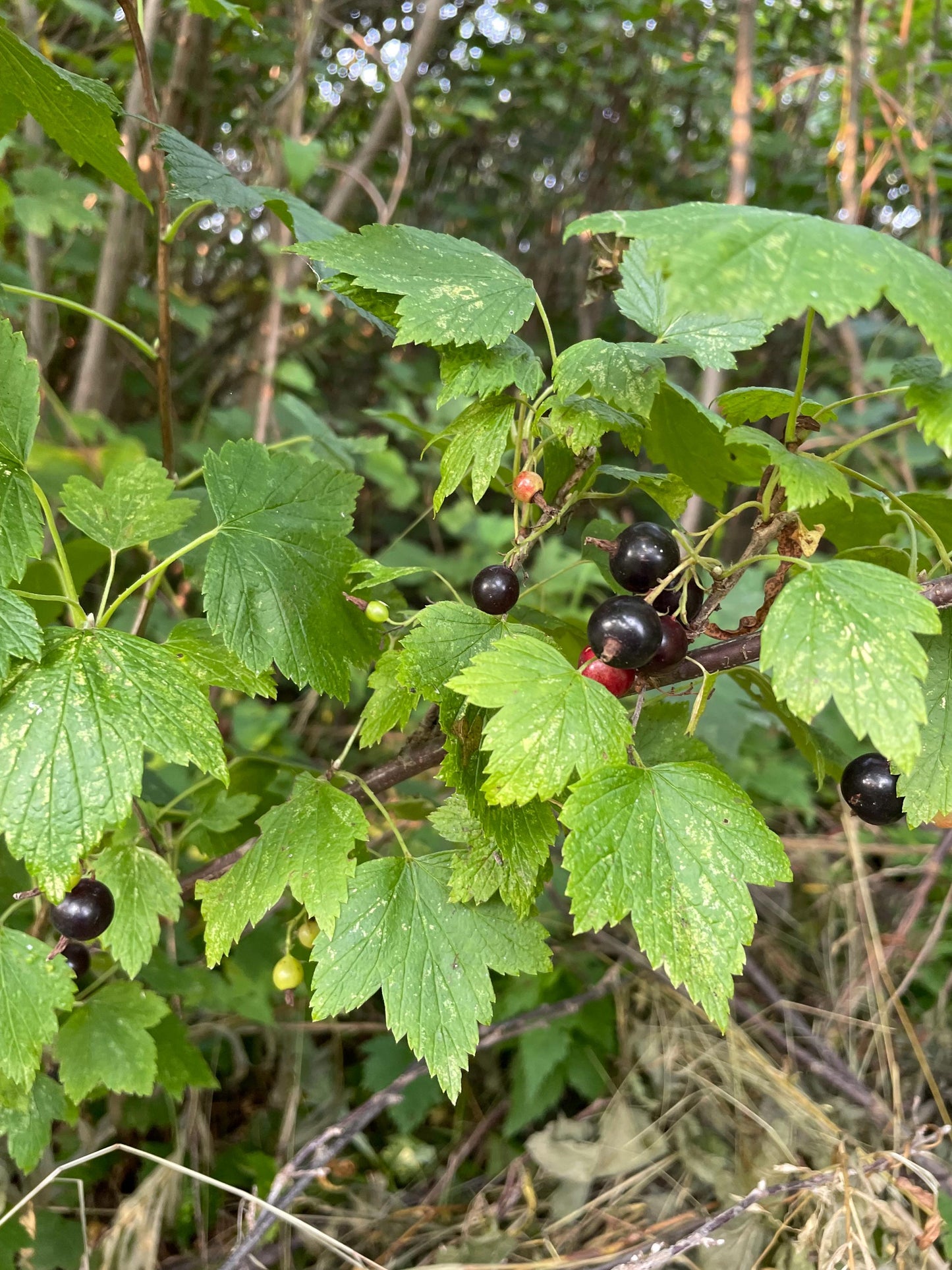
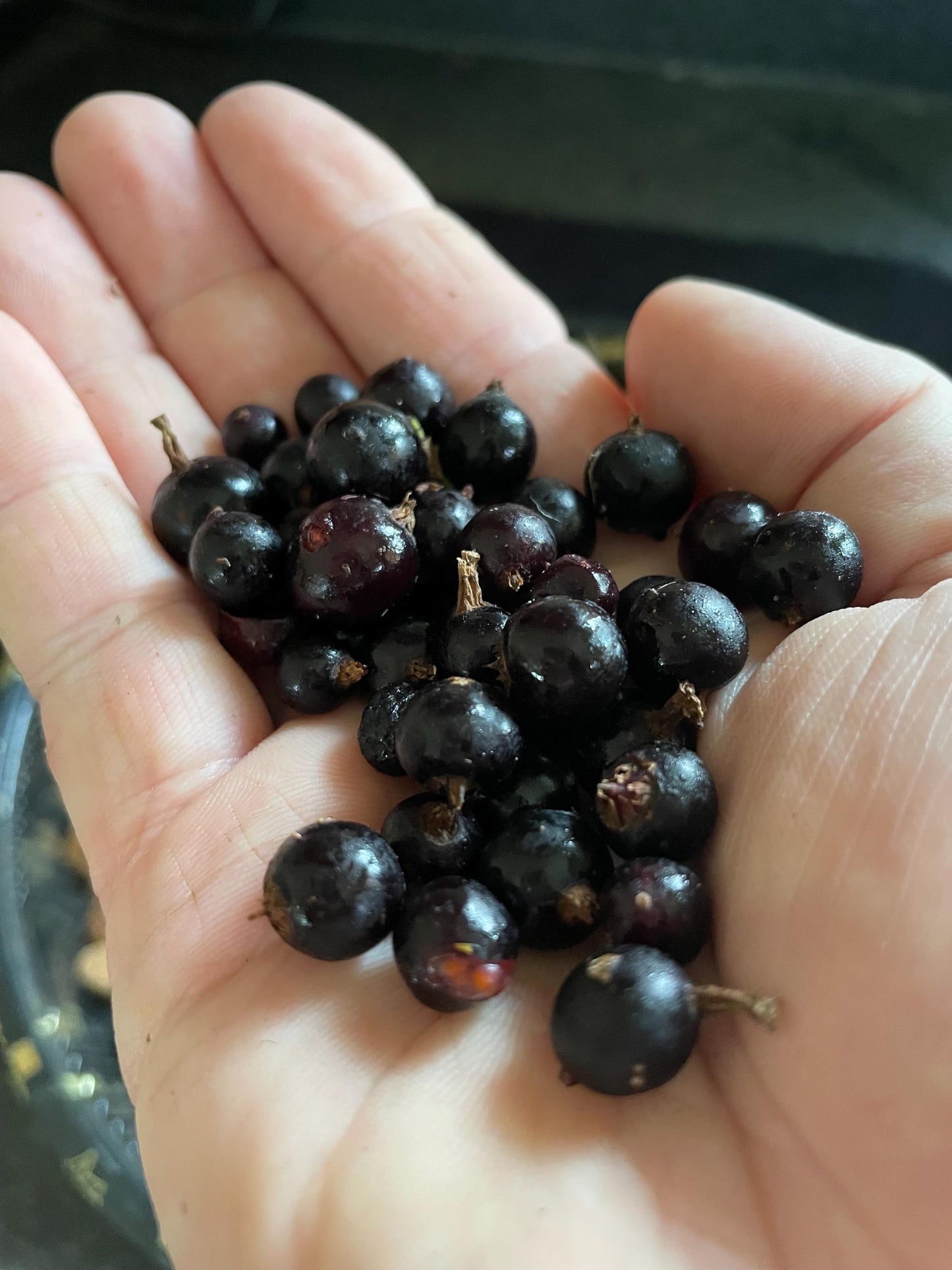
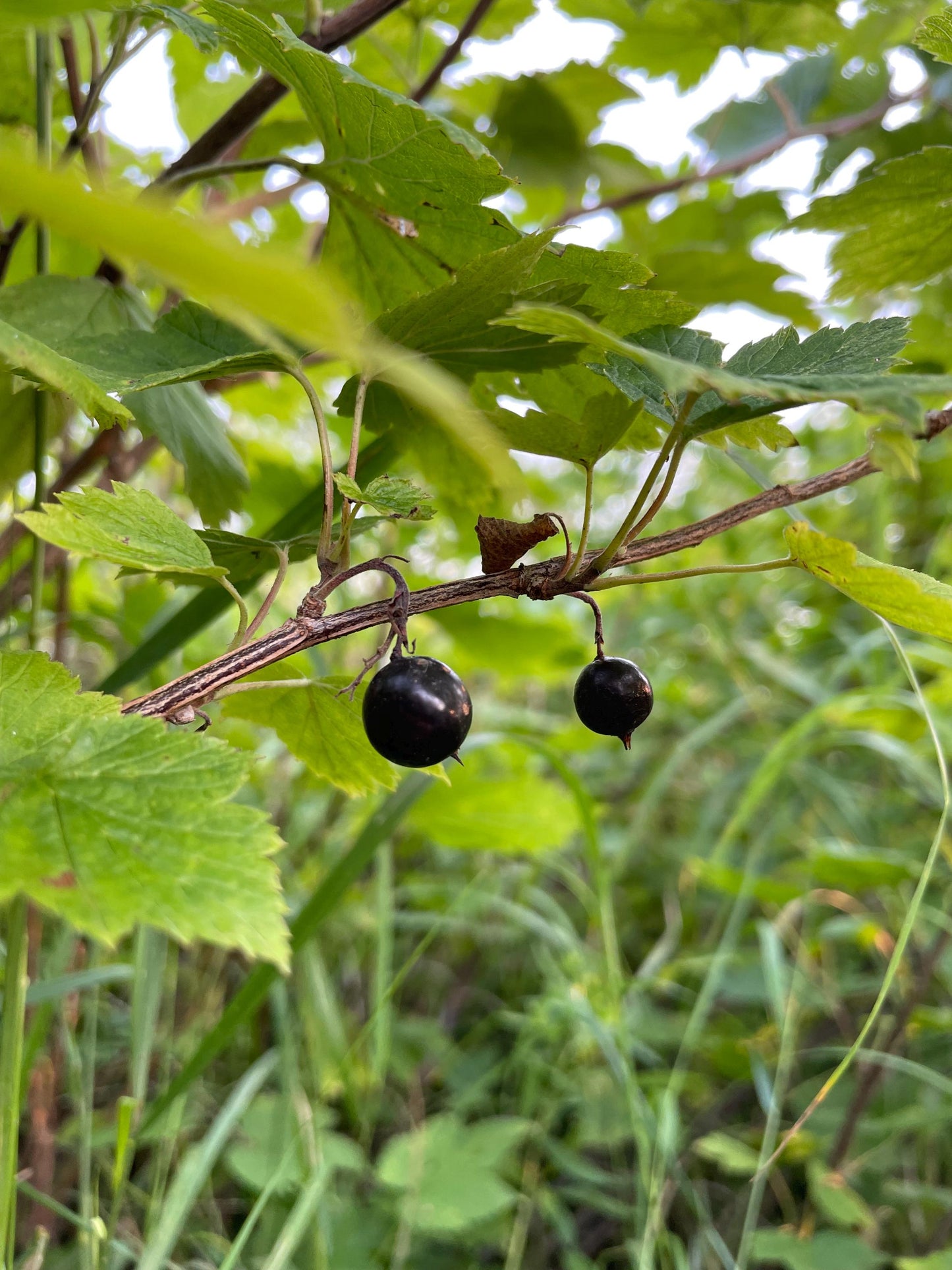
Le gadellier d’Amérique sauvage (Ribes americanum) est un arbuste fruitier indigène dont les baies mûrissent autour d’Oak Summit Nursery au début août. Leur saveur diffère de celle des cassis cultivés, et les fruits nourrissent aussi les oiseaux et les petits mammifères.
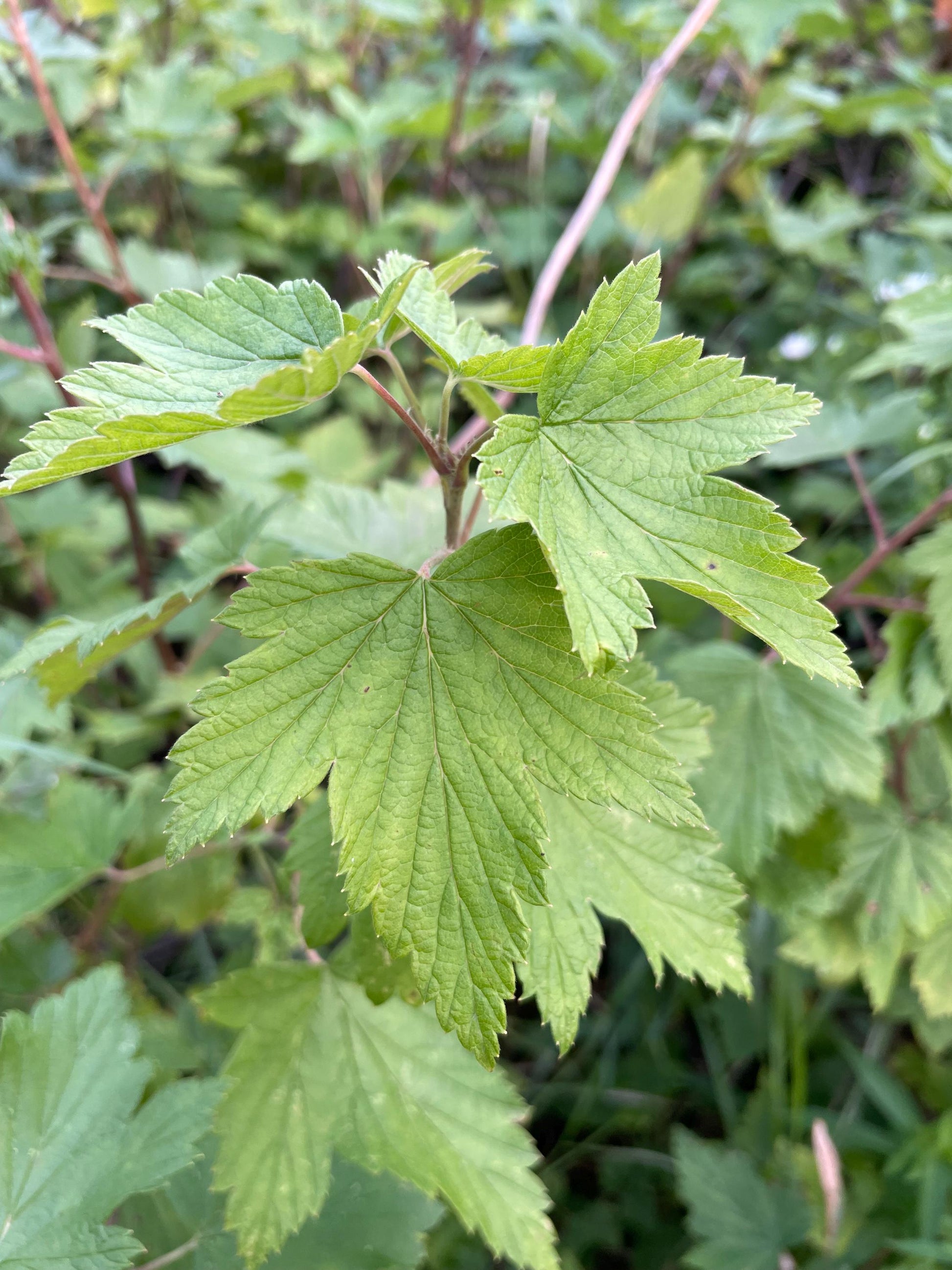
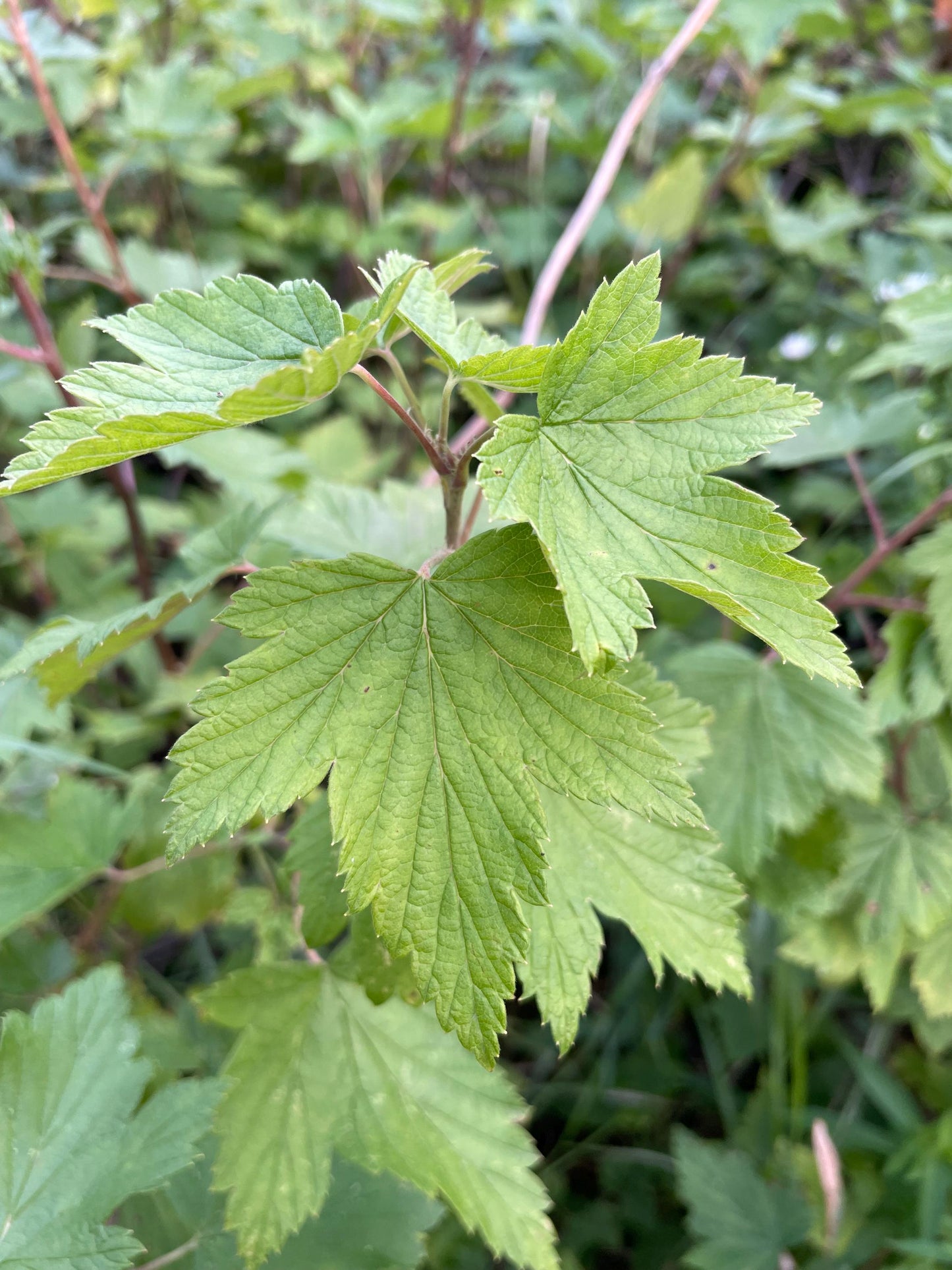
Ces graines ont été récoltées localement au Manitoba. Les arbustes portent des feuilles lobées et des fleurs printanières jaune vert et poussent souvent près des milieux humides, des cours d’eau et des lisières boisées.
M’aviser du retour en stock
Entrez votre adresse courriel pour recevoir une alerte lorsque cet article sera de nouveau offert.
Gérez cette alerte dans la liste des articles enregistrés, accessible depuis l’en-tête.
Faire germer ces semences
- Au froid2 à 3 moisStratification au froid
- SemisAprès l’étape au froid
- Source des semences
- Manitoba
- Rusticité
- Zone 2
Comment stratifier les semences
Au réfrigérateur. Placez les semences dans un sac avec un substrat humide comme de la mousse de tourbe, de la vermiculite, du sable ou de la fibre de coco. Le substrat sert uniquement à retenir l’humidité. Gardez le sac au réfrigérateur, au-dessus du point de congélation, pendant la période au froid indiquée, puis semez.
Ou à l’extérieur. Semez les semences à l’extérieur à l’automne et laissez l’hiver assurer la période au froid.
La plante issue de ces semences
Caractéristiques de culture
- Saveur
- Baies musquéesProches du groseillier odorant
- Feuilles
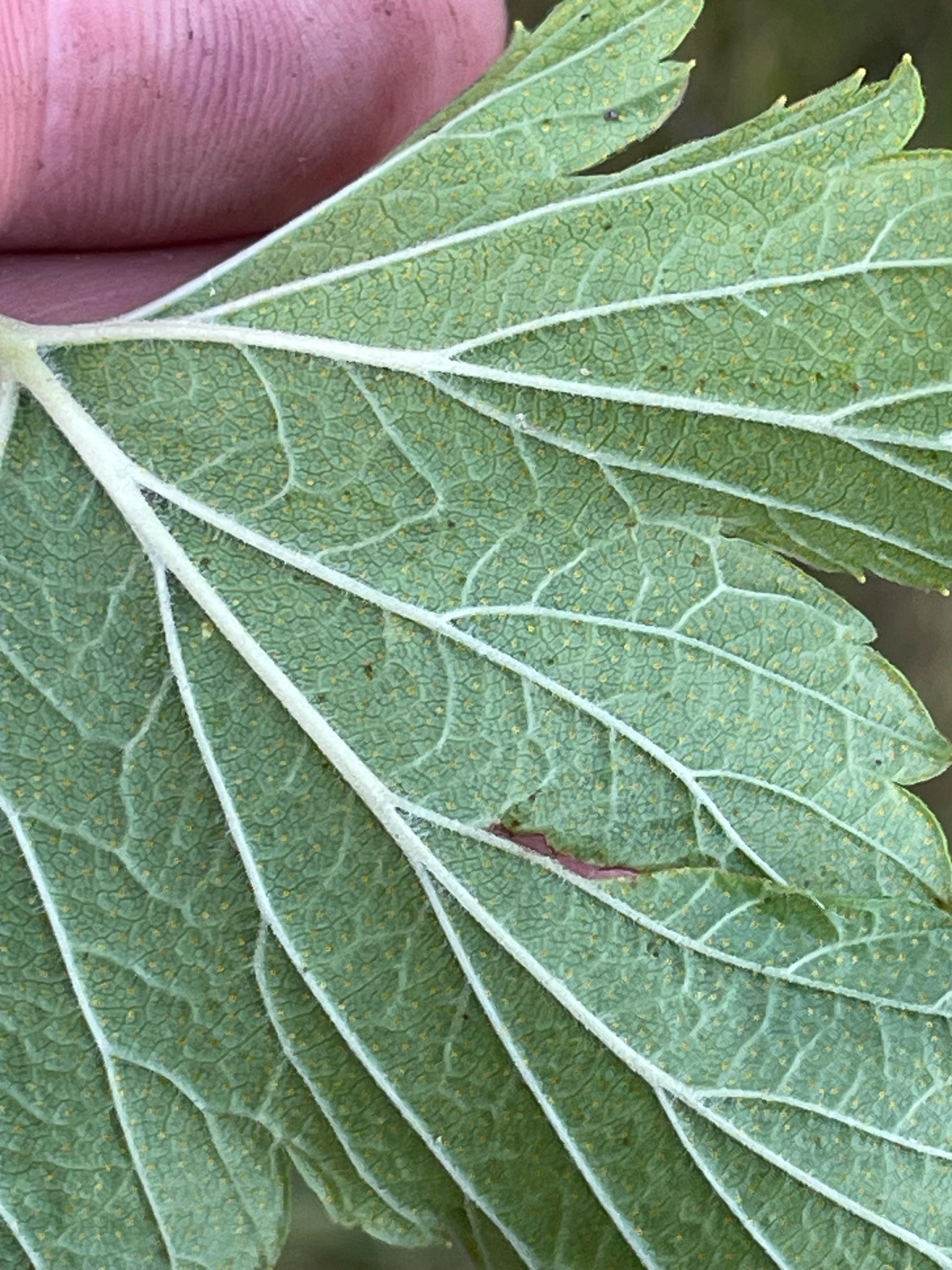
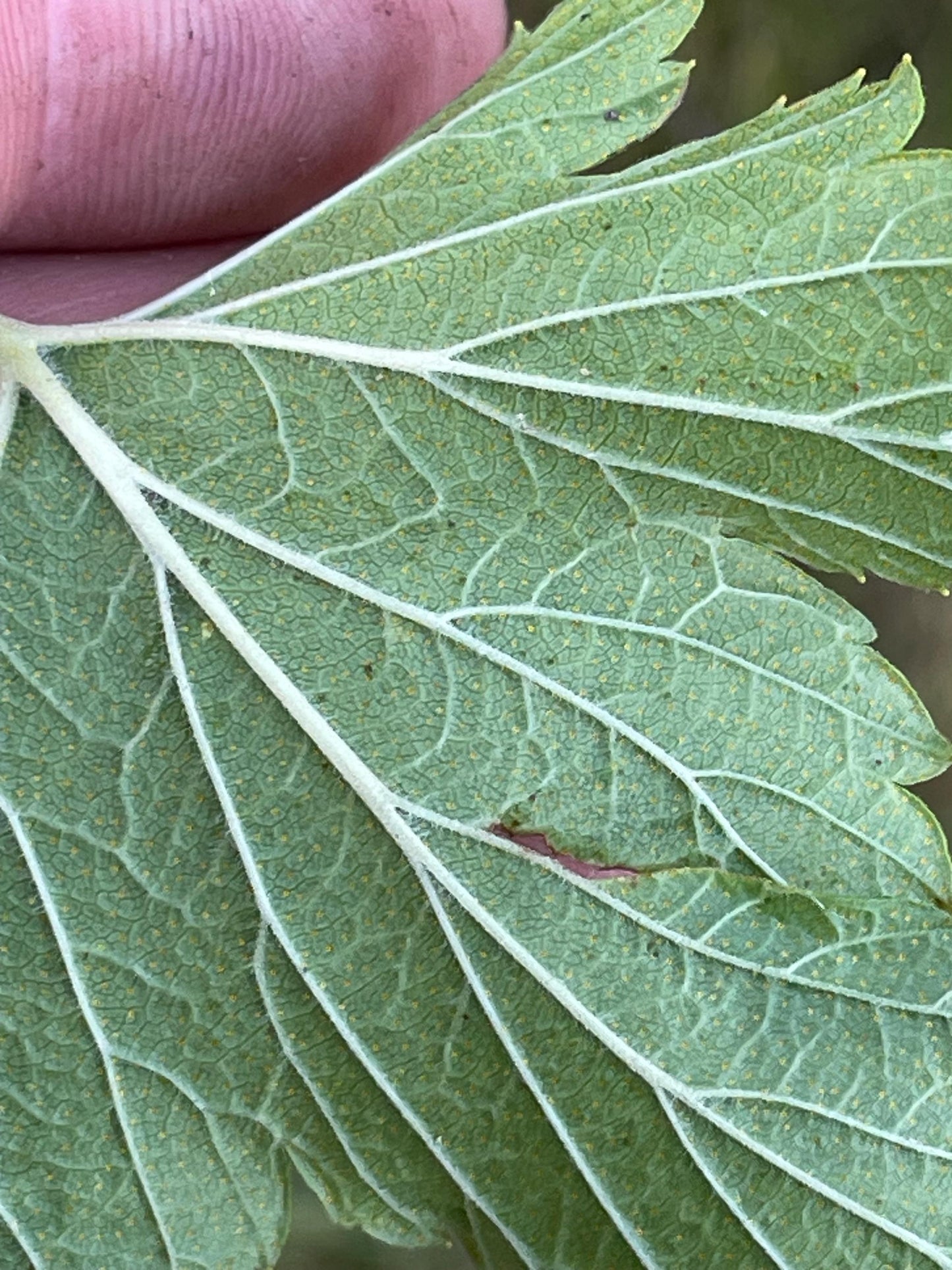
- Trois à cinq lobesGlandes sur la face inférieure
- Hauteur adulte
- 4 à 5 piUn arbuste à feuilles caduques
- Habitat naturel
- Boisés humidesAussi au bord des cours d’eau
Maturité
Début août ici
Les baies ne mûrissent pas toutes en même temps
En savoir plus sur cette plante
Un cassissier indigène
Le cassissier d’Amérique est présent dans une grande partie de l’Amérique du Nord à l’est des Rocheuses, y compris au Manitoba. Il pousse dans des endroits naturellement humides, sur des sols argileux, sableux ou rocheux. Autour de notre pépinière, ses baies mûrissent plus tard que celles du cassissier européen et à des moments différents sur un même arbuste.
Rouille vésiculeuse du pin blanc
Le cassissier d’Amérique peut héberger la rouille vésiculeuse du pin blanc, une maladie qui touche aussi les pins blancs.
Répartition et rusticitéZone 2 · Cartes canadiennes pour cette plante

Vert : provinces où l’espèce est indigène
AB · MB · NB · NS · ON · PE · QC · SK
Zone 2 et zones plus chaudes
Les données provinciales indiquent l’aire indigène, sans situer chaque population. La carte de rusticité indique la résistance au froid hivernal; le sol, l’humidité et la chaleur estivale comptent aussi.
À propos des cartes
Climat : Ressources naturelles Canada, 1991–2020. Répartition provinciale : VASCAN, selon les recherches botaniques conservées. Limites provinciales : Natural Earth, domaine public.
Licence du gouvernement ouvert – Canada Graines de symphorine à fruits rouges
 Graines de groseillier à maquereau pourpre
 Graines de groseillier Hinnomaki Red
 Graines de cassis
 Graines de groseillier rouge