


Black Currant Seeds
$7.95 CAD
Oak Summit Nursery
Fall 2026 plant sale
Fall plant ordering opens in September. Shipping begins in October 2026.
Set a reminderCouldn't load pickup availability
Titania is a vigorous productive black currant bred in the 1980s by the Swedish University of Agricultural Sciences from Consort, Kajaanin Musta, and Altai Dessert. It is known for resistance to white pine blister rust and powdery mildew.
The large firm berries have a mildly sweet flavour and tend to ripen together around July. They are used fresh and for juice, jam, and preserves. Titania is partly self fertile but can produce better yields with another black currant nearby for cross pollination.
Cold Hardiness Zone: 3
Mature Size: 3 to 5 ft tall
Fall 2026 plant sale
Plants are sold seasonally after nursery stock is counted. Fall ordering opens in September and shipping begins in October 2026. Add a reminder and we will email when this listing opens.
Manage this reminder with your saved products from the header.
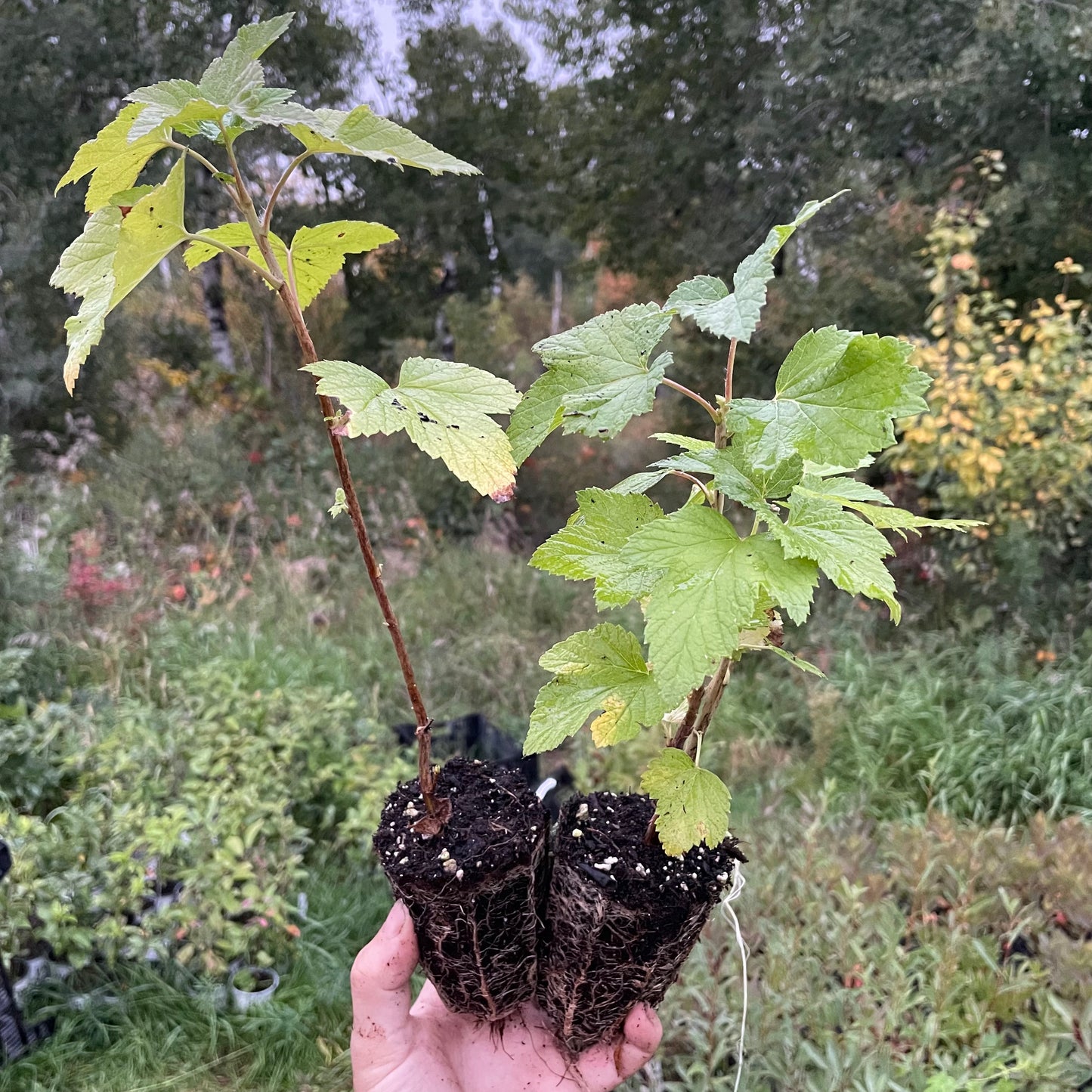
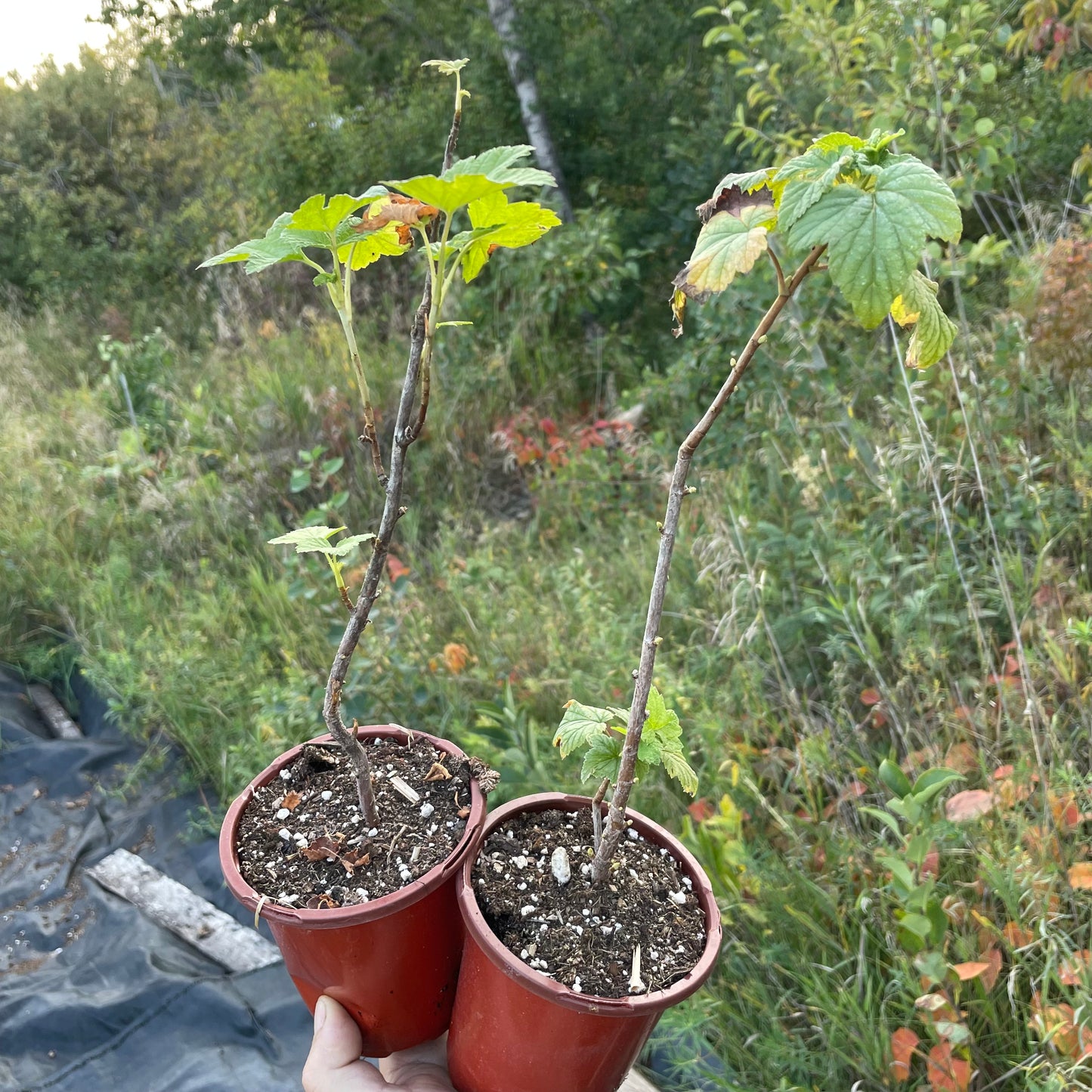
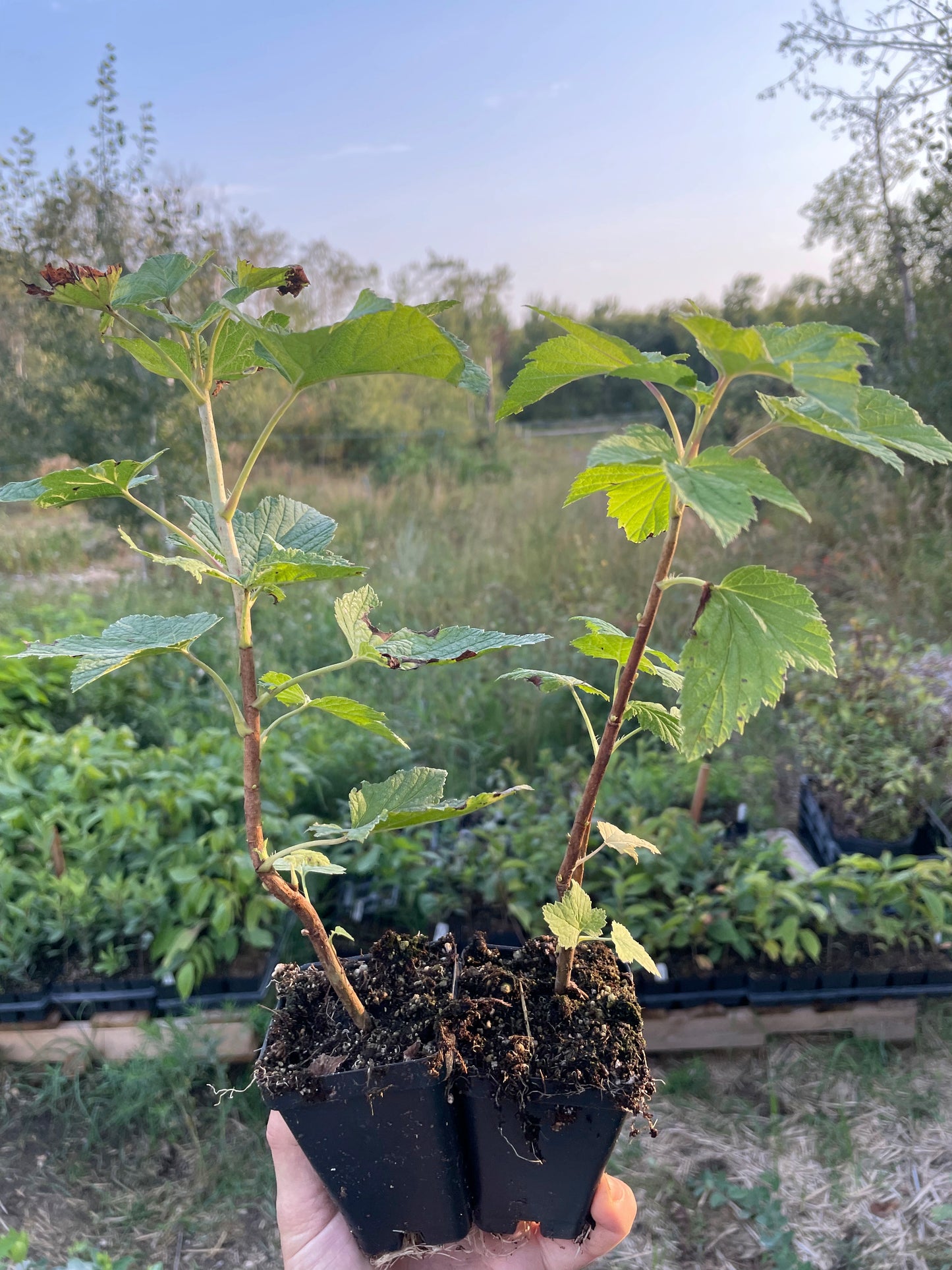
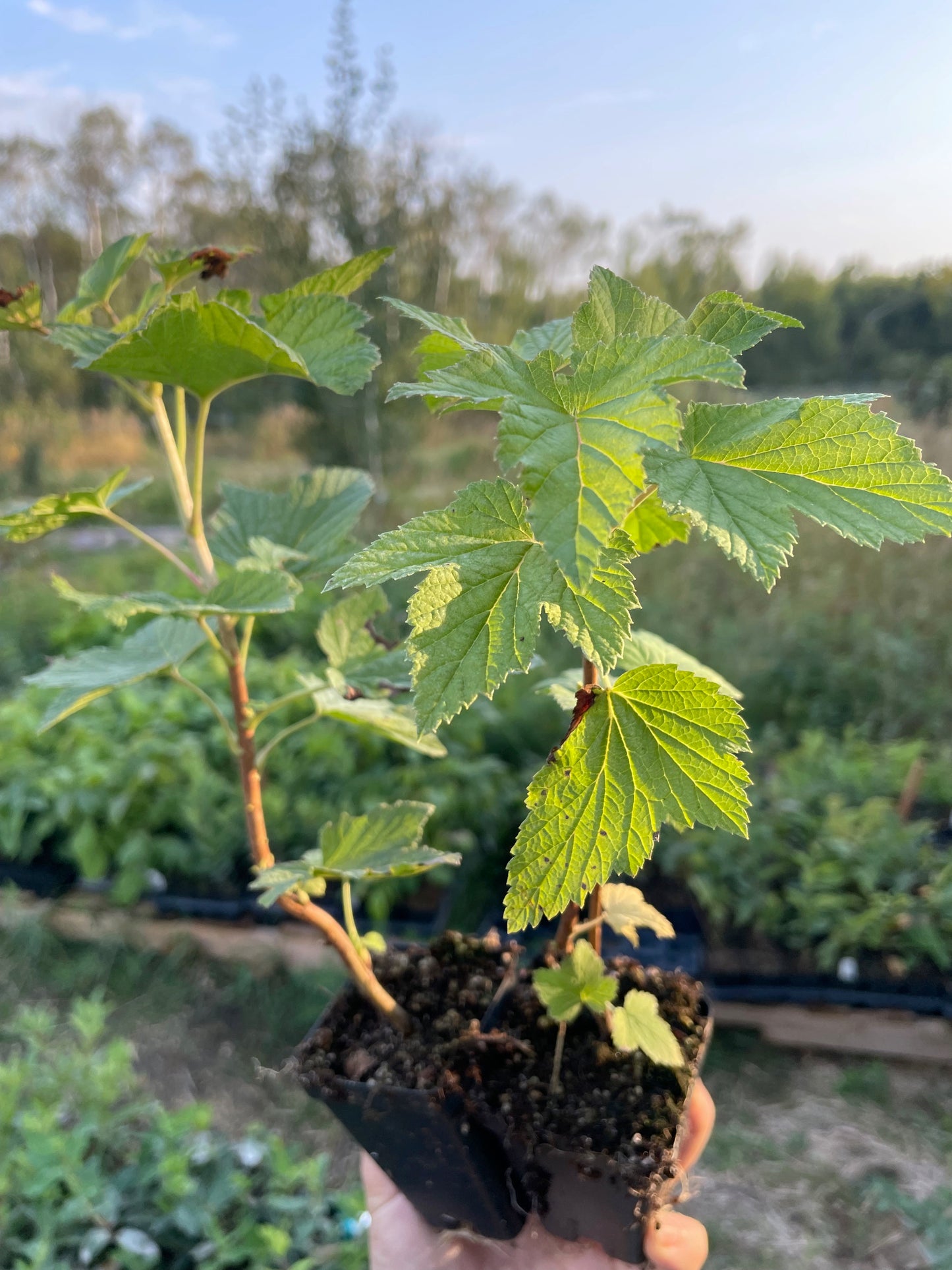
Titania can set fruit without another black currant variety. Another compatible black currant nearby can improve the crop. Its berries are sweet with some acidity and tend to ripen together, which is useful when picking for juice or preserves.
Titania suits full sun and moist soil with good drainage. It can grow in clay, loam or sandy soil. These conditions matter alongside winter hardiness when choosing a place for the bush.

Zone 3 and warmer
The map shows minimum winter hardiness. Soil, moisture and summer warmth also affect how a plant grows.
Climate: Natural Resources Canada, 1991–2020. Provincial distribution: VASCAN via retained botanical research. Province outlines: Natural Earth, public domain.
Open Government Licence – Canada