Oak Summit Nursery
Wild American Black Currant Seeds
Wild American Black Currant Seeds
Pack contains: 30+ seeds
Also sold as a plant: Wild American Black Currant · from $15.00
Browse more Berry bush seedsCouldn't load pickup availability
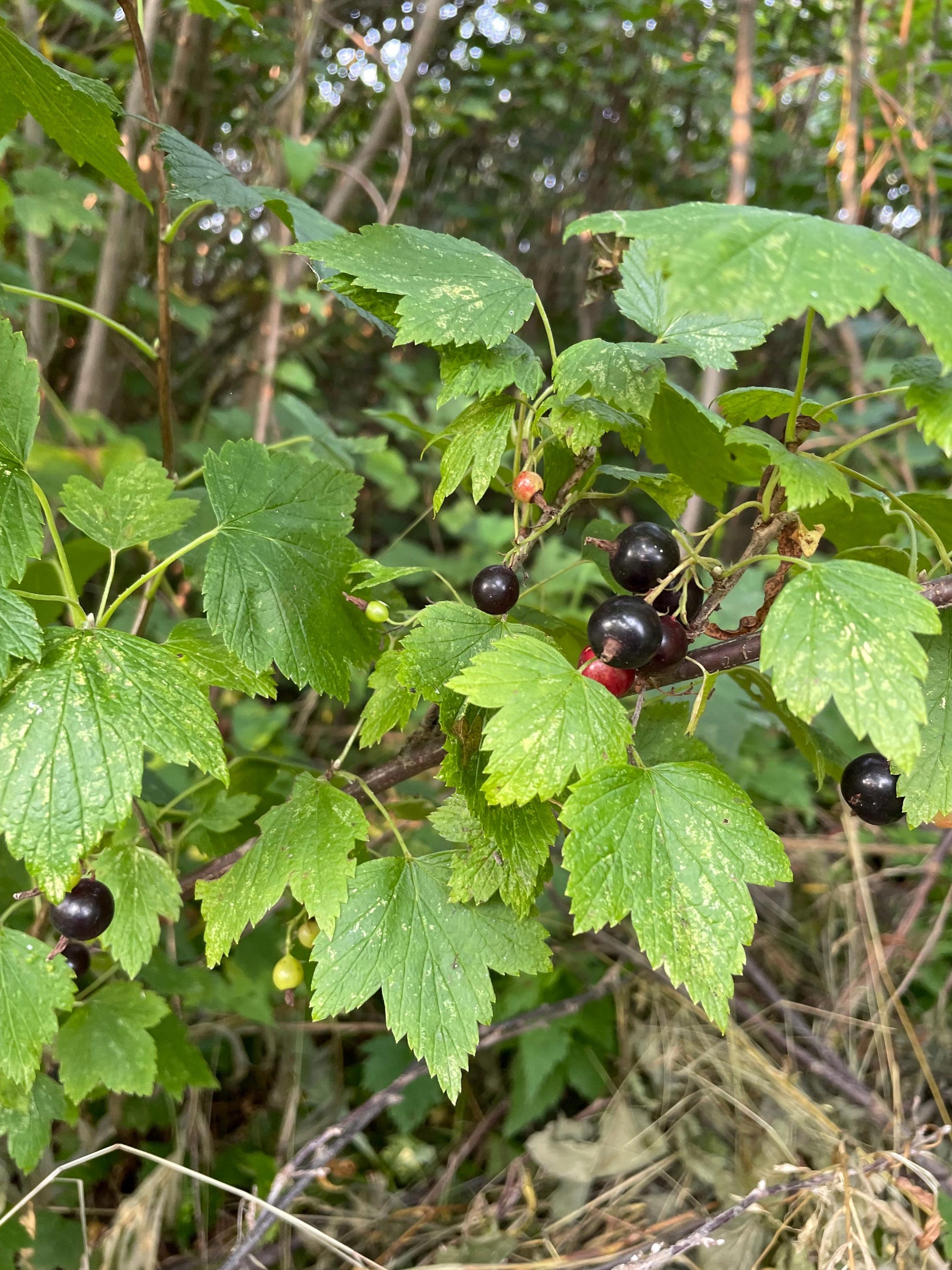
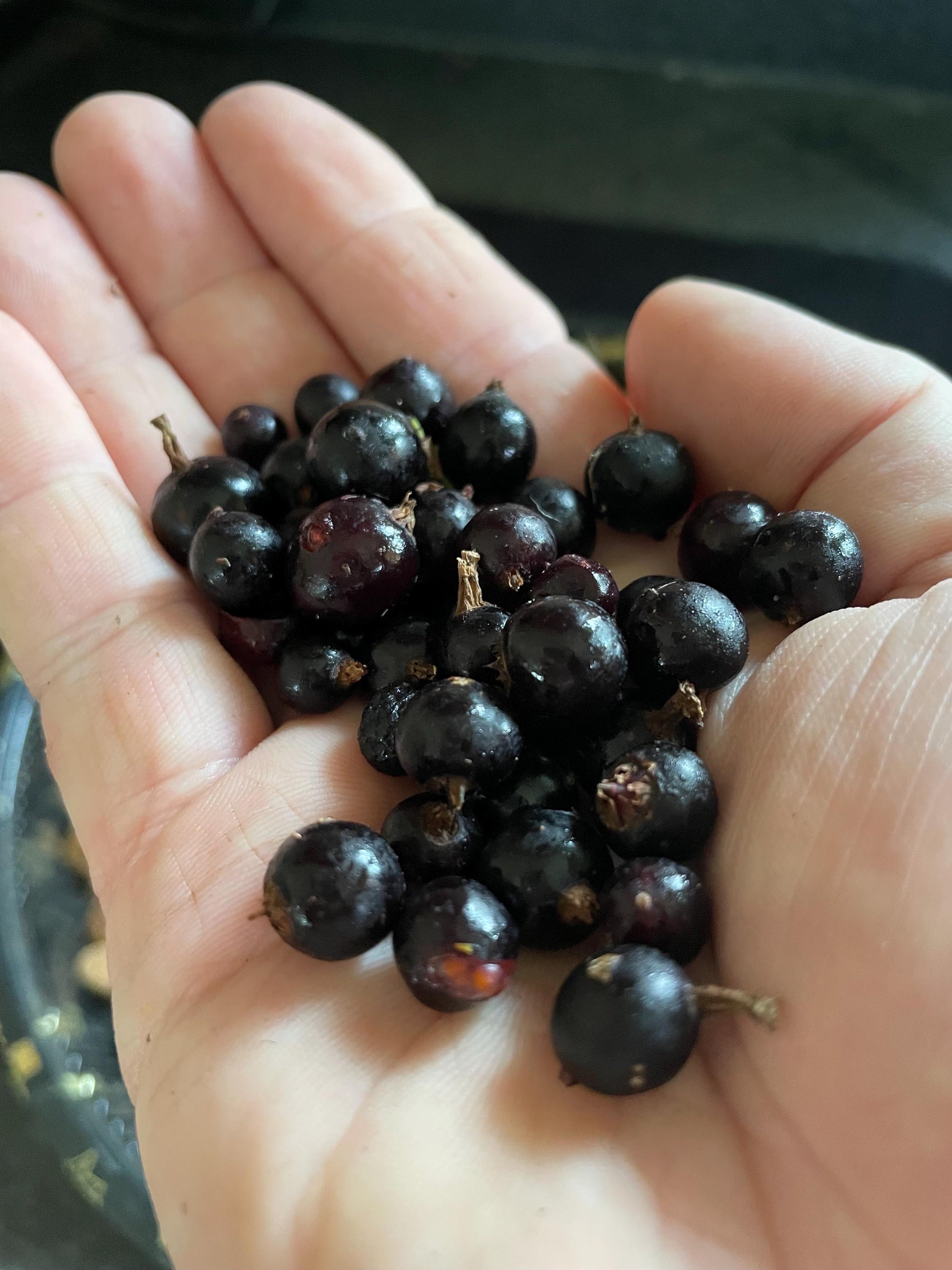
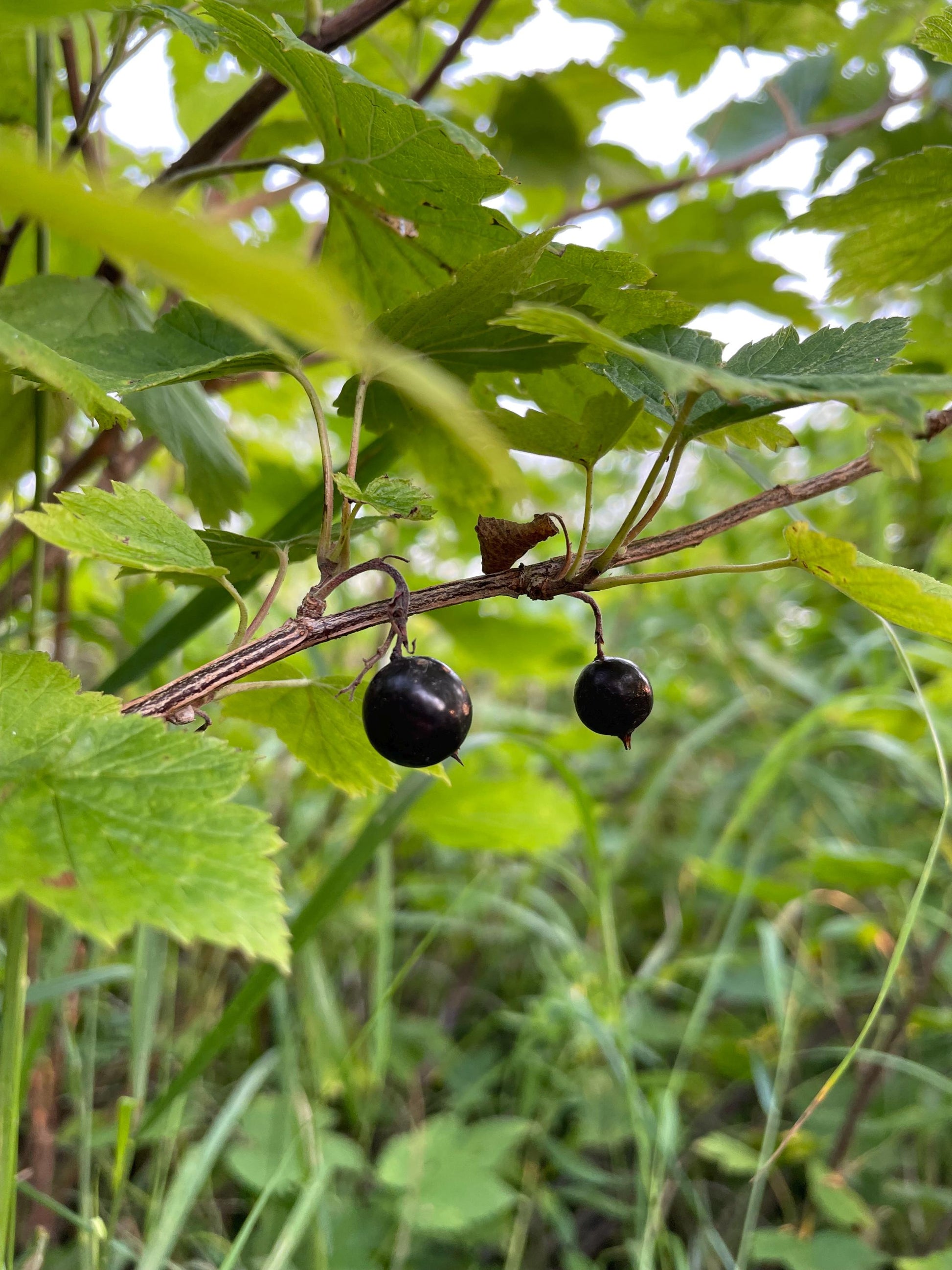
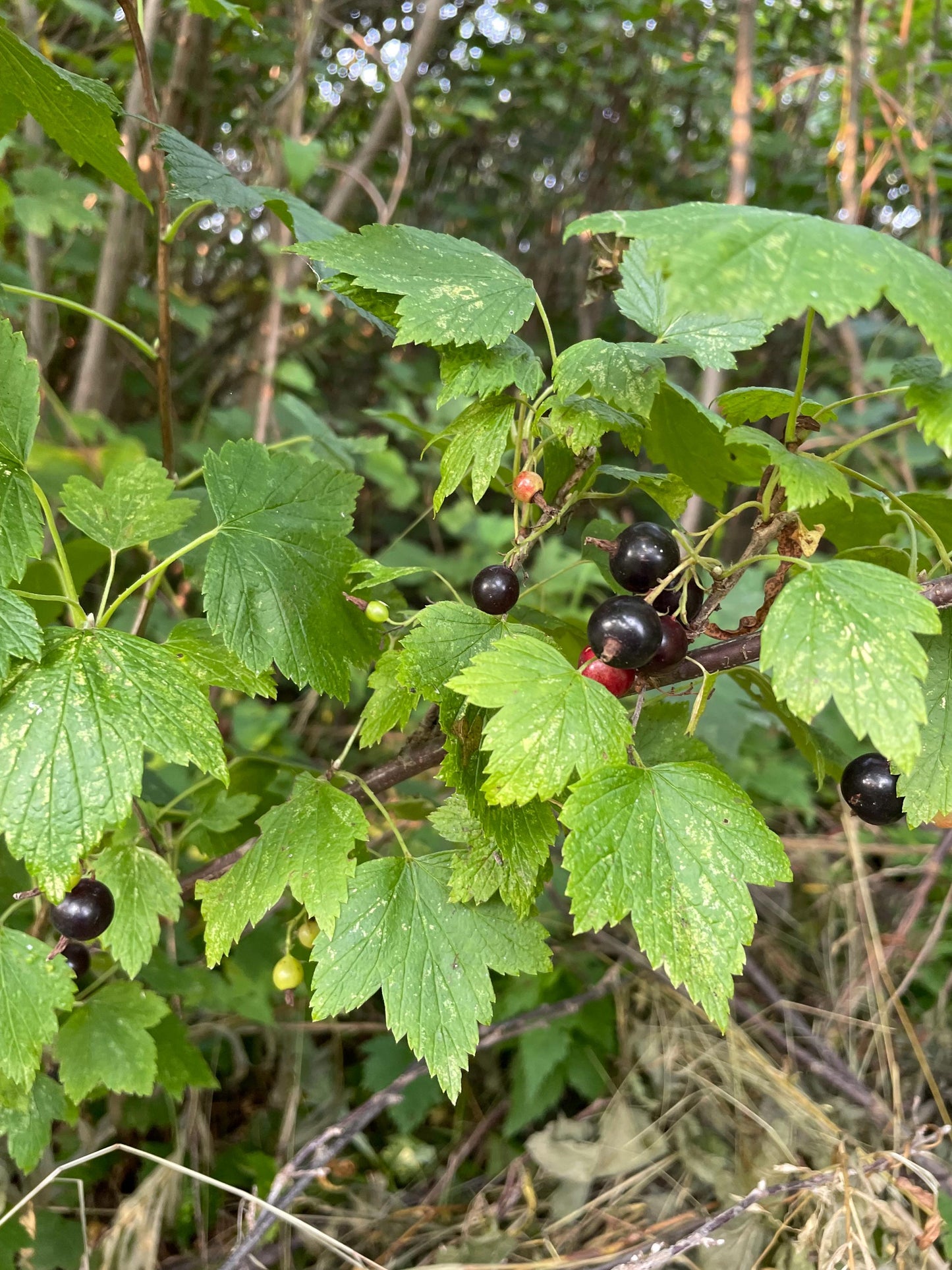
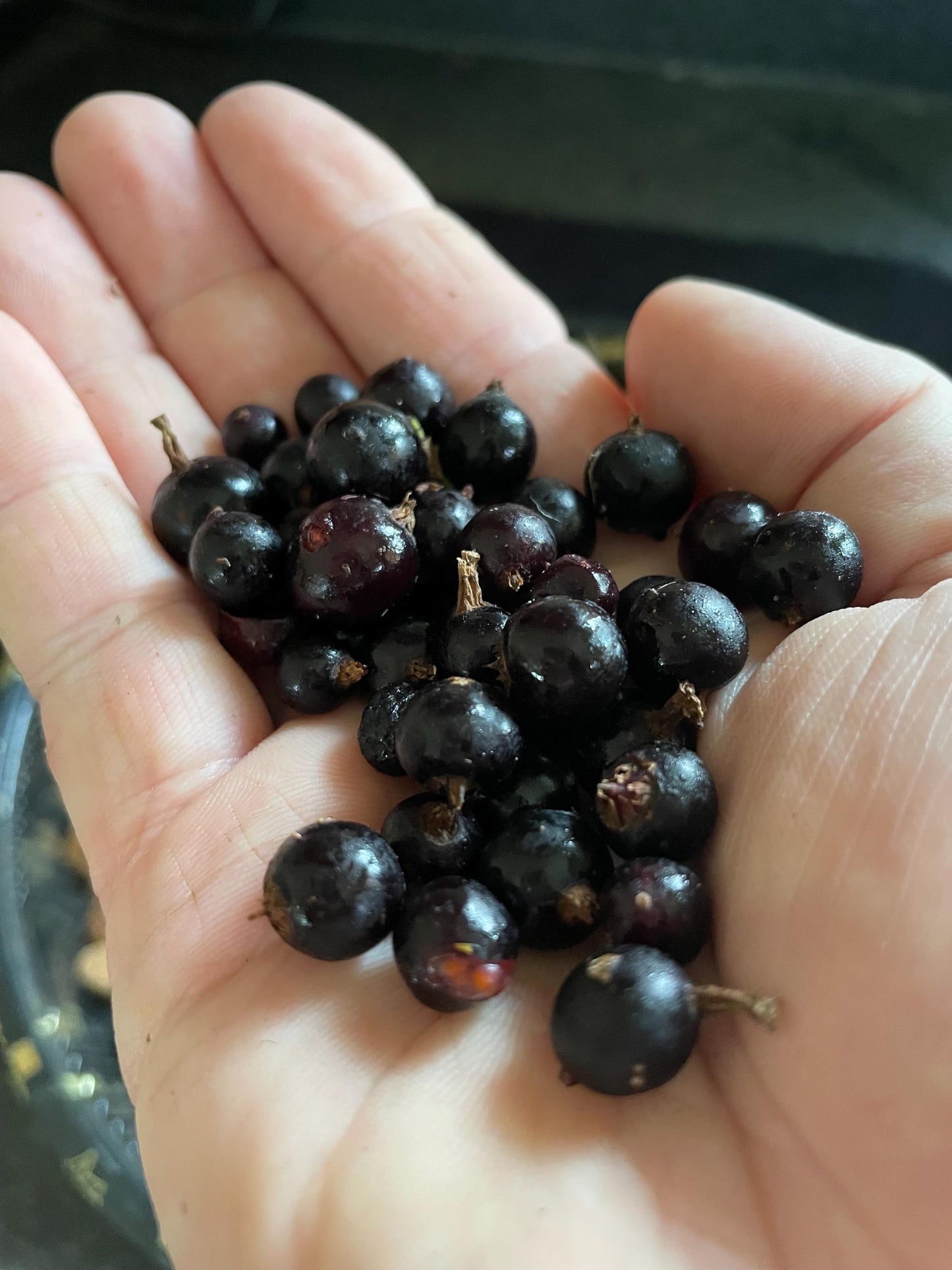
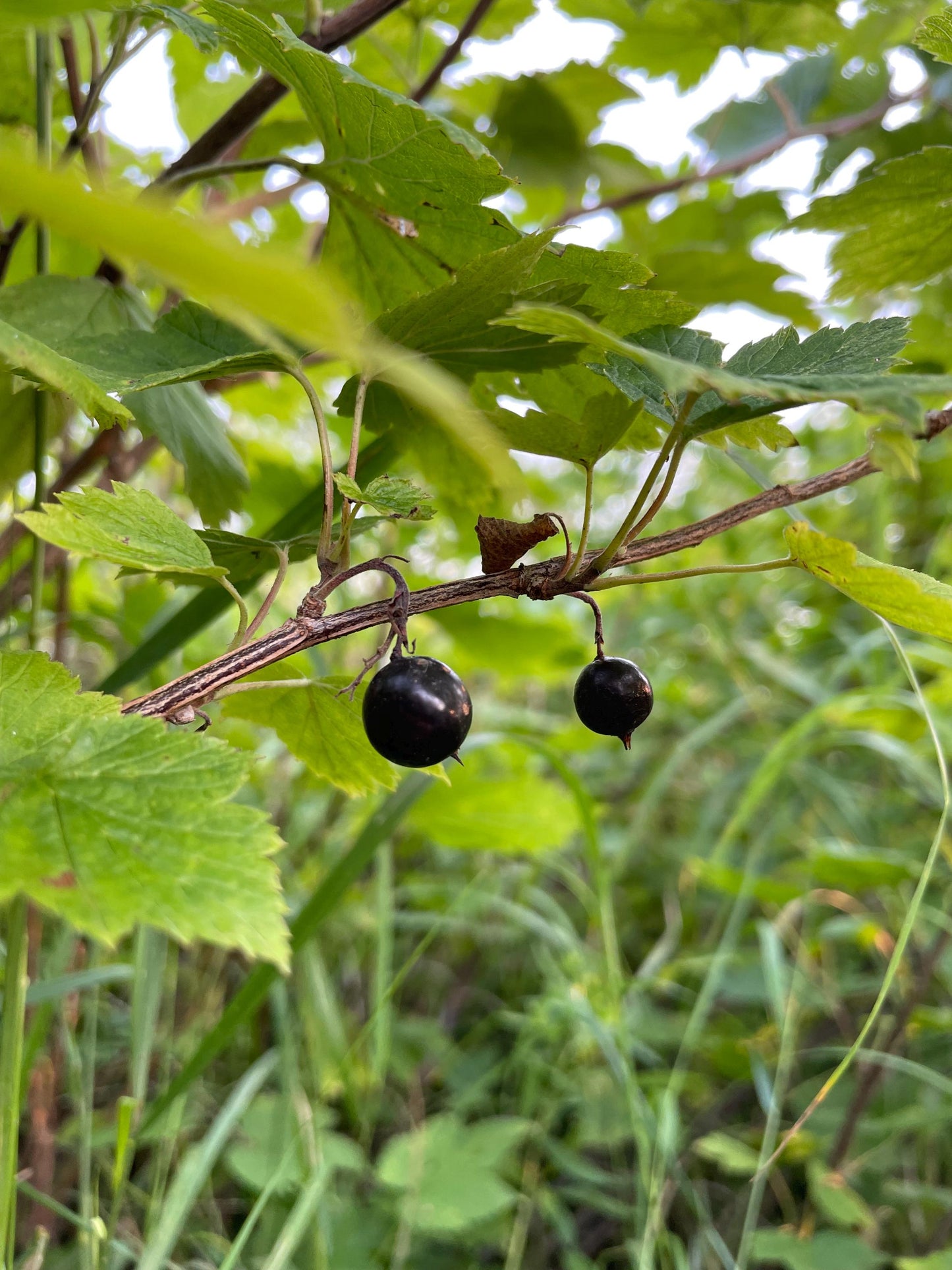
Wild American Black Currant (Ribes americanum) is a native berry shrub with fruit that ripens around Oak Summit Nursery in early August. Its flavour is distinct from cultivated black currants, and the berries also feed birds and small mammals.
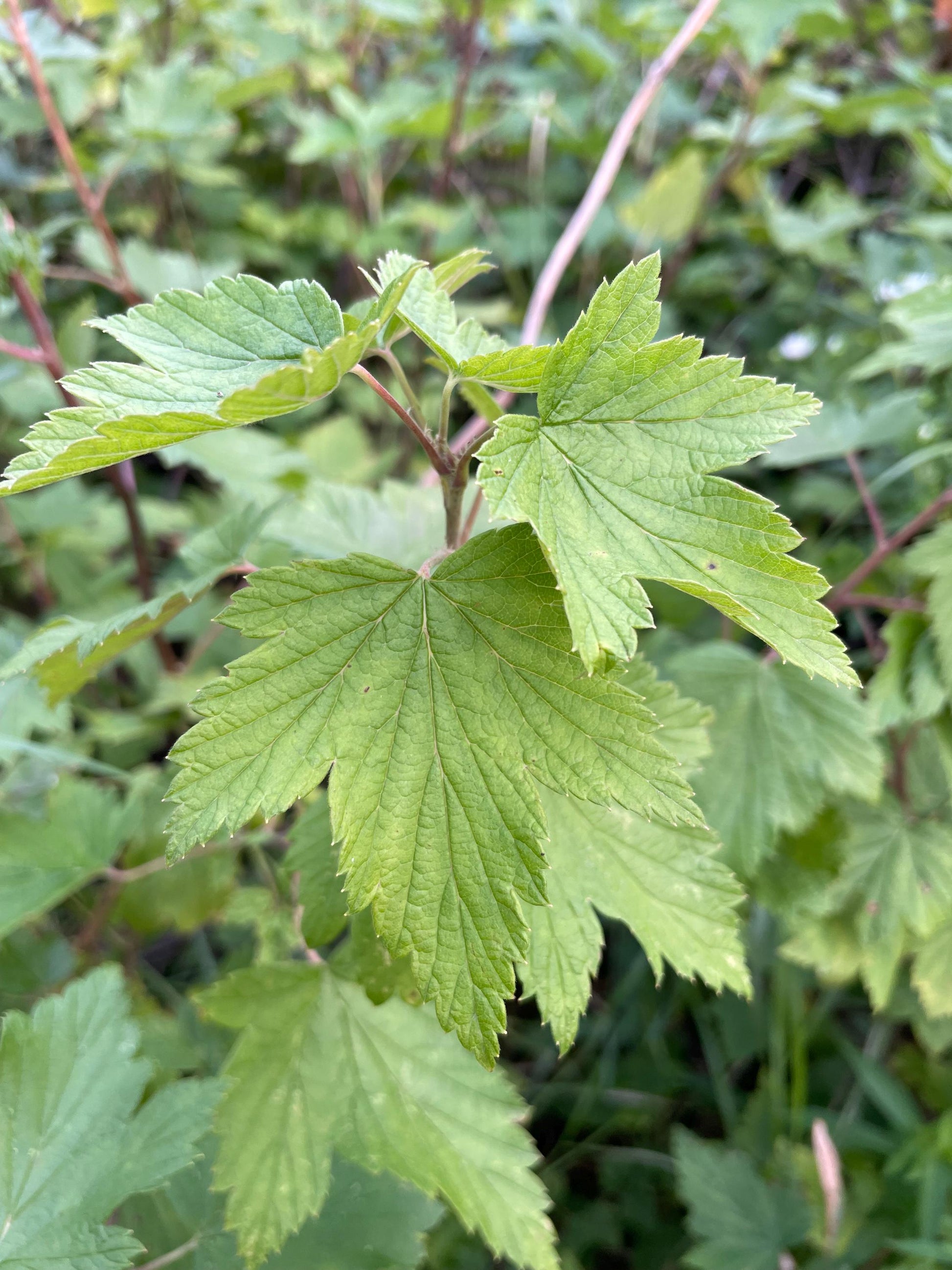
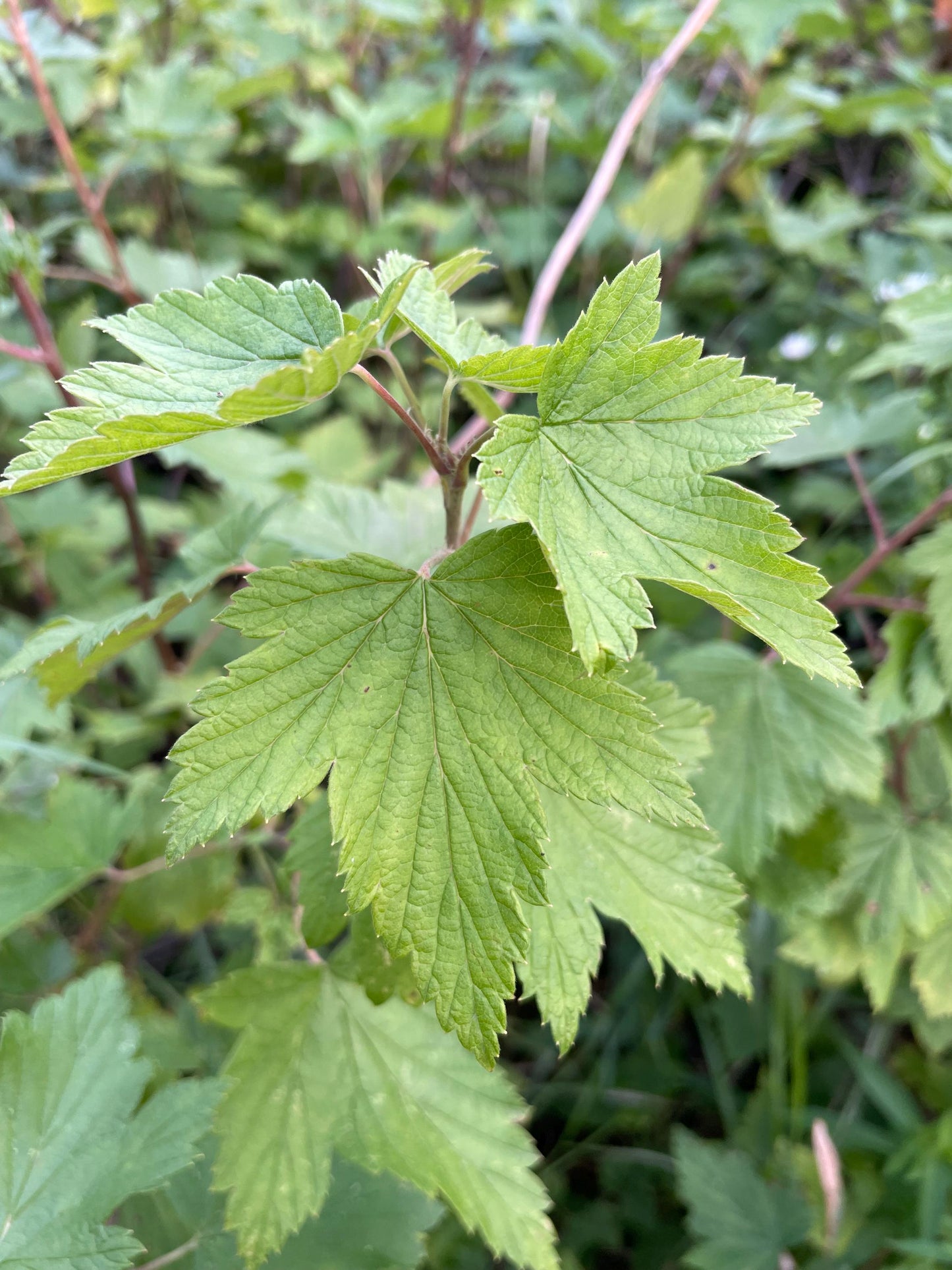
This seed was collected locally in Manitoba. The shrubs have lobed leaves and yellow green spring flowers and often grow near wetlands, streams, and woodland edges.
Notify me when back in stock
Enter your email to add a back in stock reminder for this item.
Manage this reminder with your saved products from the header.
Starting this seed
- Cold2 to 3 monthsCold stratification
- SowAfter the cold stage
- Seed source
- Manitoba
- Hardiness
- Zone 2
How to stratify seed
In the fridge. Put the seed in a bag with a damp medium such as peat moss, vermiculite, sand or coco coir. The medium is only there to hold moisture. Keep the bag in the fridge, above freezing, for the cold period shown, then sow.
Or outside. Sow the seed outdoors in the fall and let winter do the cold period.
The plant these seeds grow into
Growing details
- Flavour
- Musky berriesCloser to clove currant
- Leaf shape
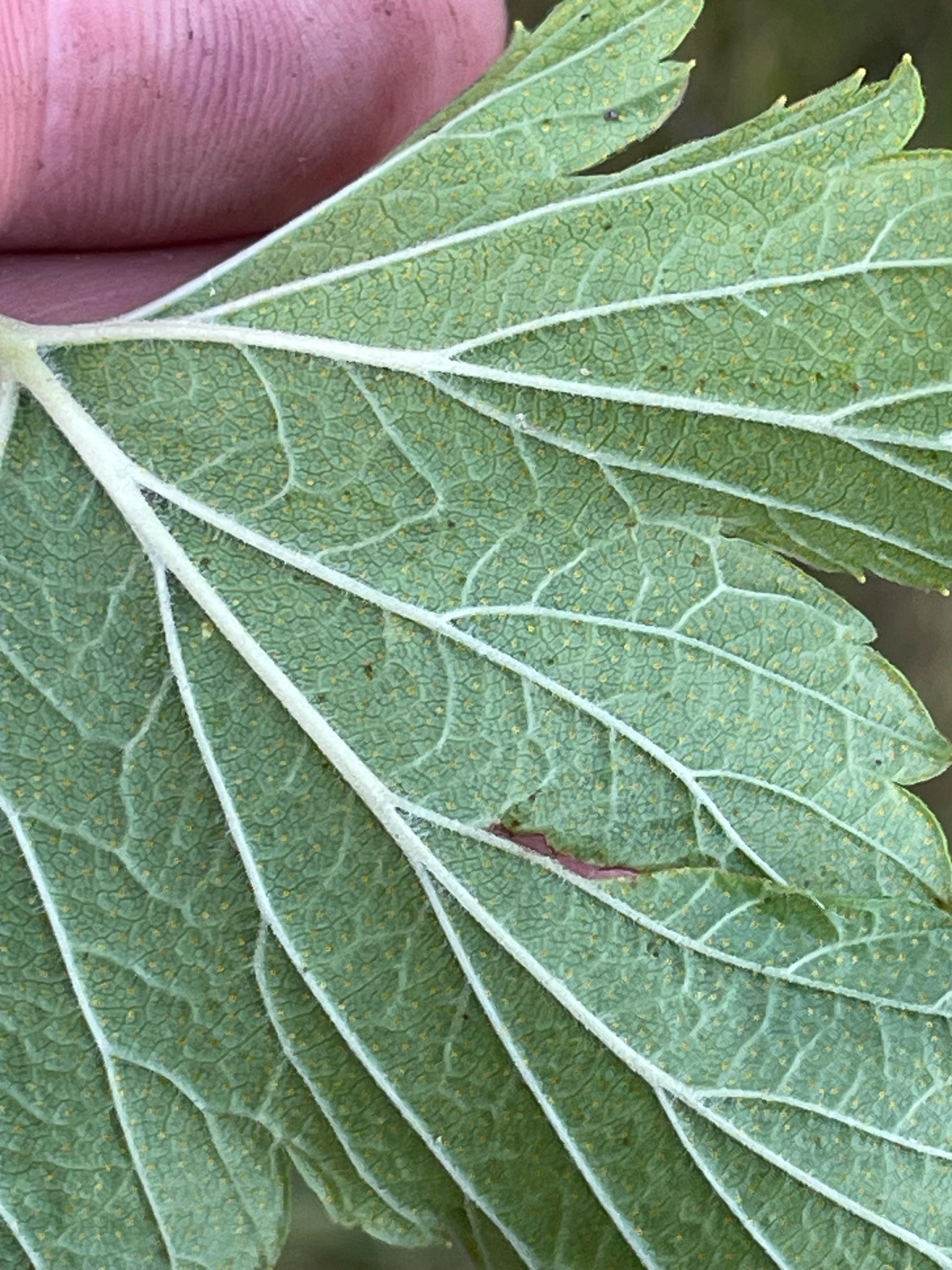
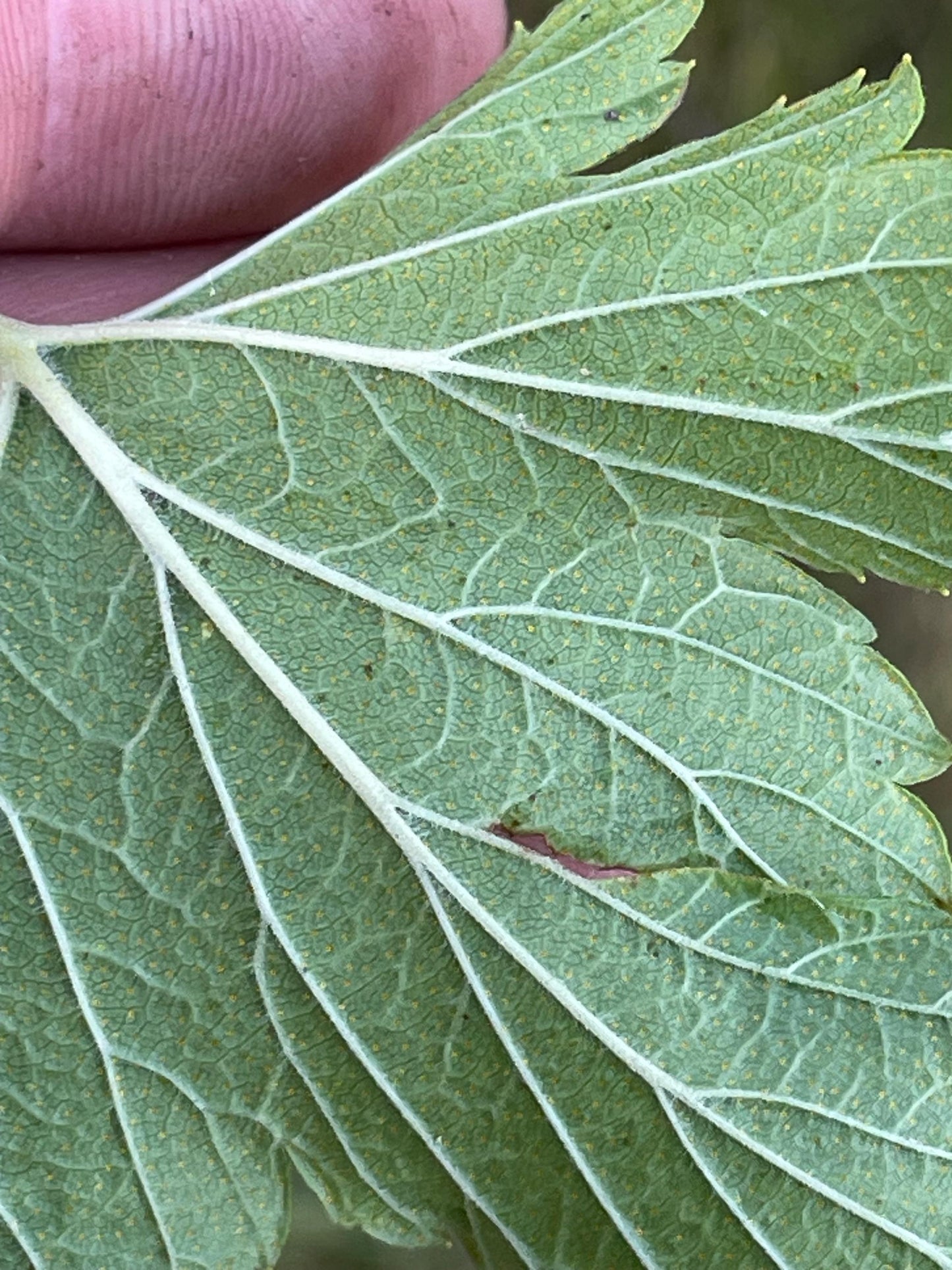
- Three to five lobesGlands on the underside
- Mature height
- 4 to 5 ftA deciduous shrub
- Natural habitat
- Moist woodlandAlso along streams
Ripening
Early August here
Berries ripen unevenly on the shrub
More about this plant
A native currant
American black currant occurs across much of North America east of the Rocky Mountains, including Manitoba. It grows on clay, sand and rocky ground in naturally moist places. Around our nursery it ripens later than European black currants, with berries ready at different times on the same shrub.
White pine blister rust
American black currant can host white pine blister rust, a disease that also affects white pines.
Range & hardinessZone 2 · Canadian maps for this plant

Green: provinces with native records
AB · MB · NB · NS · ON · PE · QC · SK
Zone 2 and warmer
Province records show native distribution, not every place the species grows. The hardiness map shows minimum winter hardiness; soil, moisture and summer warmth also matter.
About these maps
Climate: Natural Resources Canada, 1991–2020. Provincial distribution: VASCAN via retained botanical research. Province outlines: Natural Earth, public domain.
Open Government Licence – Canada Indian Currant Seeds
 Purple Gooseberry Seeds
 Hinnomaki Red Gooseberry Seeds
 Black Currant Seeds
 Red Currant Seeds