
Manchurian Apricot Seedlings
$15.00 CAD
Oak Summit Nursery
Plant orders start at $30.
Winter tree ordering reminder
This tree is not available in the current fall sale. Add a reminder for the winter tree ordering season.
Set a reminderCouldn't load pickup availability
Apricot (Prunus armeniaca) is a deciduous fruit tree grown for fleshy yellow to orange fruit with a single stone. The fruit can be eaten fresh, dried or made into preserves. A broad canopy and early spring blossom also make it a distinctive small orchard tree.
These seedlings were grown from seed collected in British Columbia. Each tree is genetically distinct, so fruit size, flavour and ripening can vary. Early flowering is an important consideration in cold climates: late spring frost can damage the blossoms even when the tree itself survives the winter.
Winter tree ordering reminder
This tree is currently unavailable. Add a reminder and we’ll email when it returns for the winter tree ordering season.
Manage this reminder with your saved products from the header.
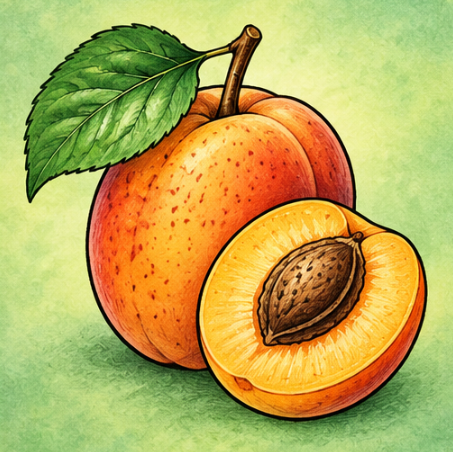
This is the common apricot, Prunus armeniaca, grown from British Columbia seed. It is a different species from our Manchurian apricot seedlings, which come from a local seed source and are hardy here.
Apricots flower early, and a late spring frost can take the blossoms and that year's crop. Seedlings can differ in flowering time as well as in fruit.

Zone 5 and warmer
The map shows minimum winter hardiness. Soil, moisture and summer warmth also affect how a plant grows.
Climate: Natural Resources Canada, 1991–2020. Provincial distribution: VASCAN via retained botanical research. Province outlines: Natural Earth, public domain.
Open Government Licence – CanadaThe self-fertility of these individual seedlings is not known.
Compare other seed-grown stone fruit for northern gardens and orchard trials.