


Canada Plum Seedlings
$15.00 CAD
Oak Summit Nursery
Plant orders start at $30.
Couldn't load pickup availability
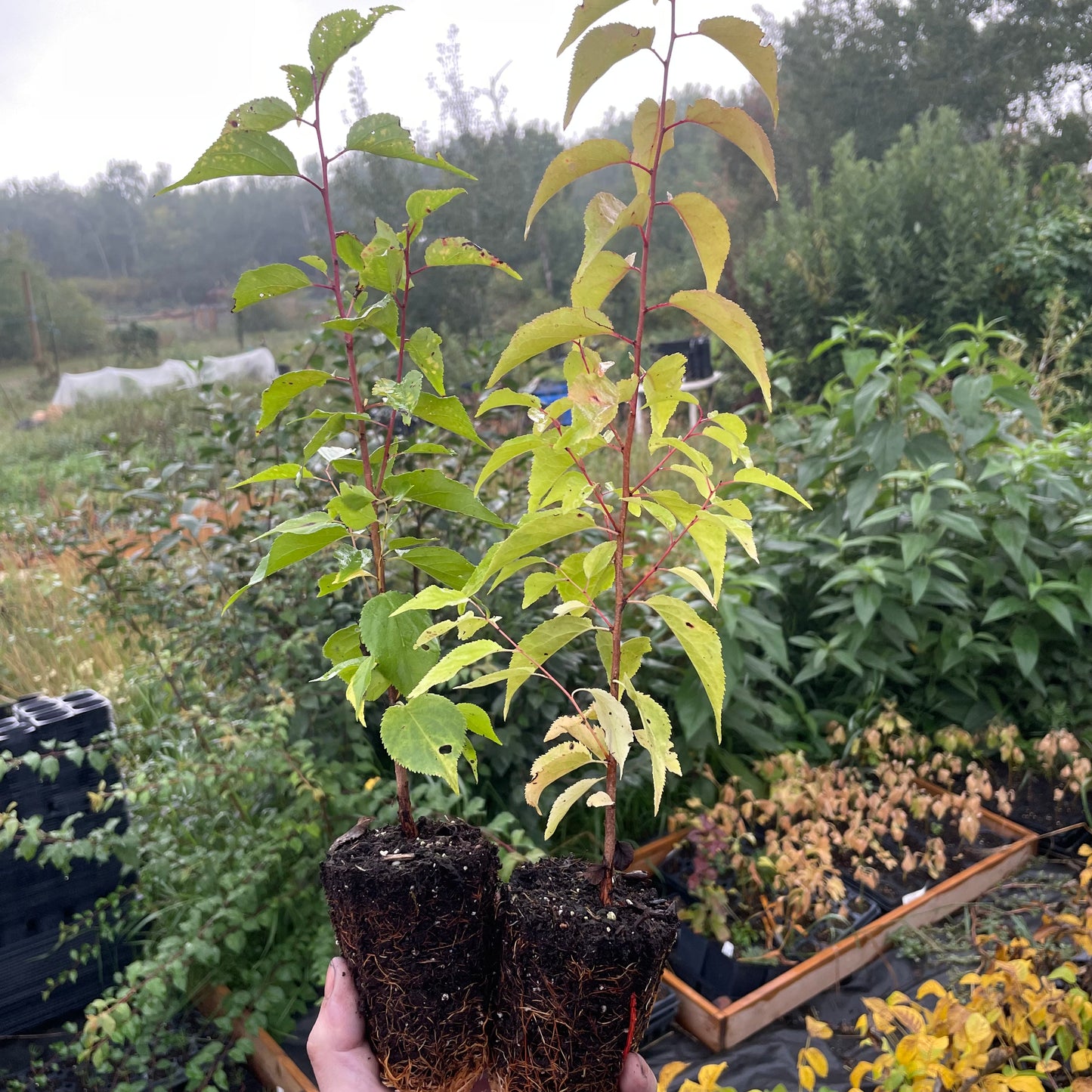
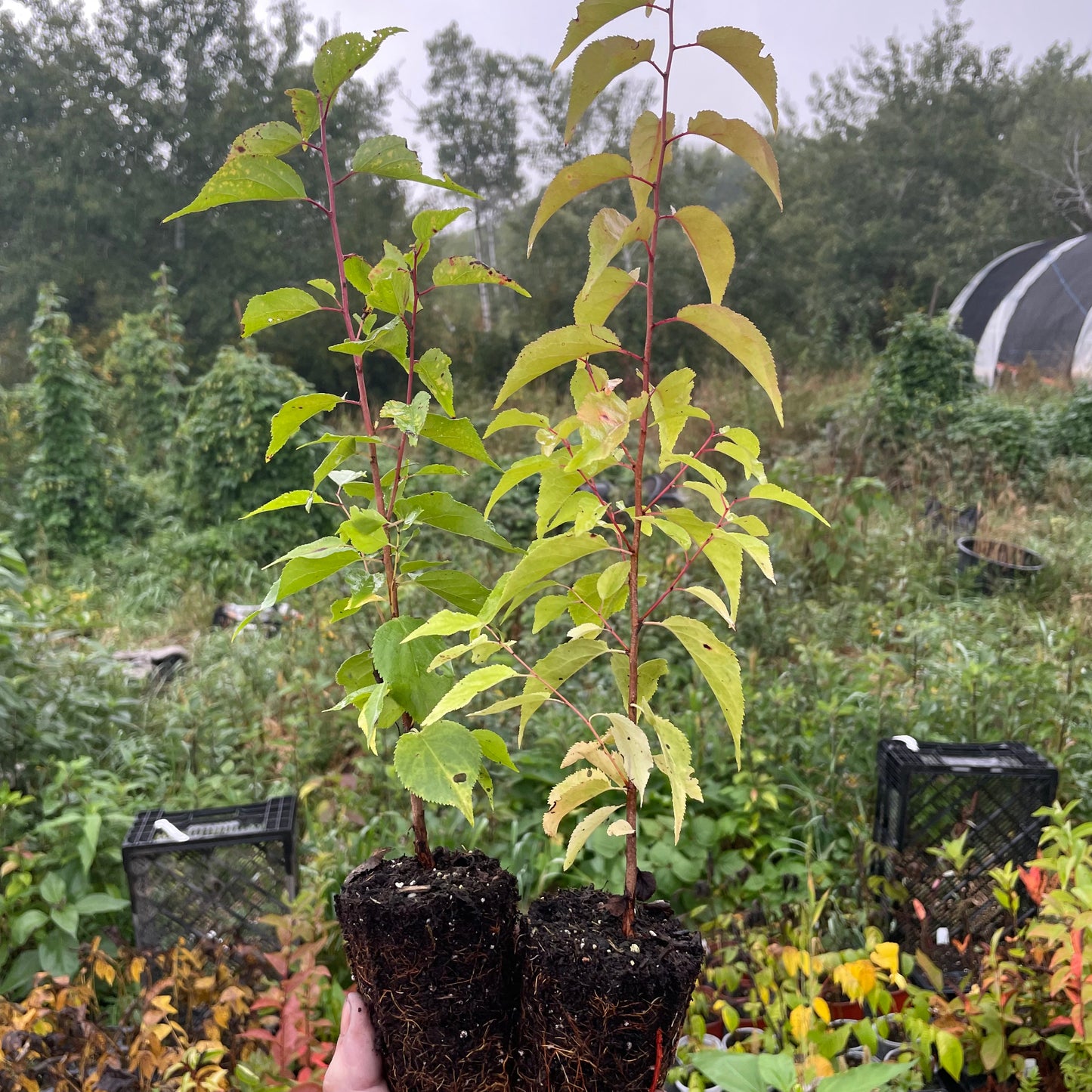
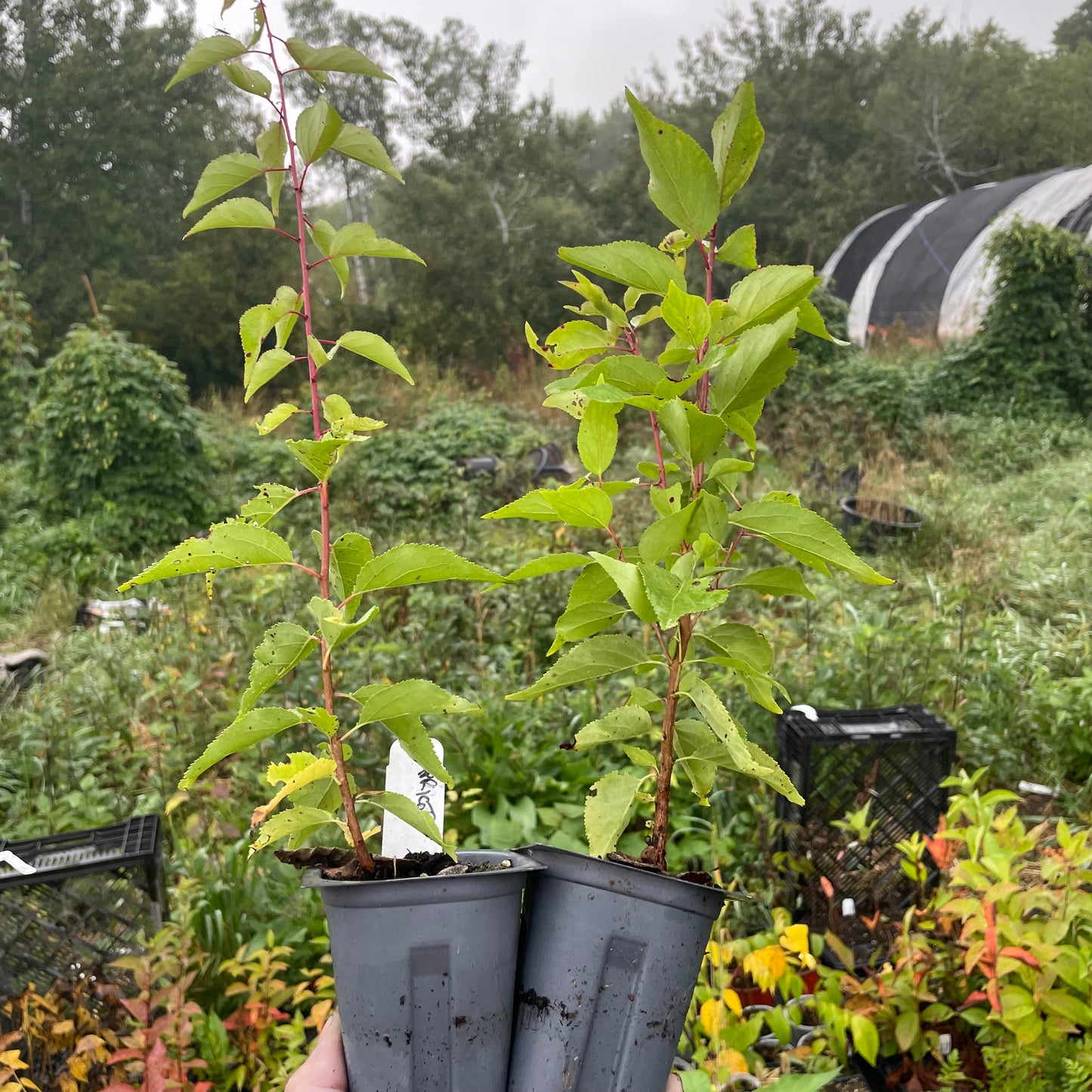
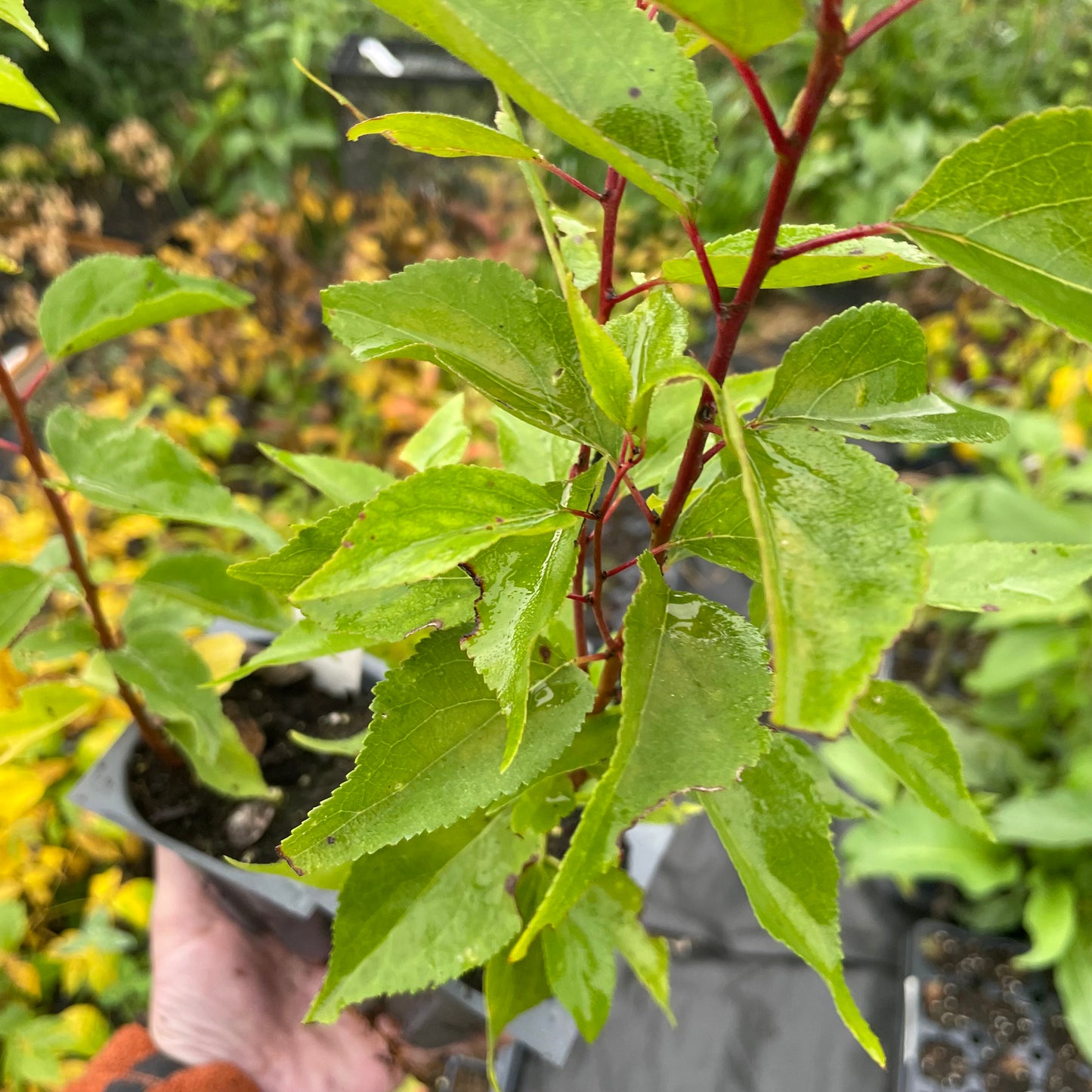
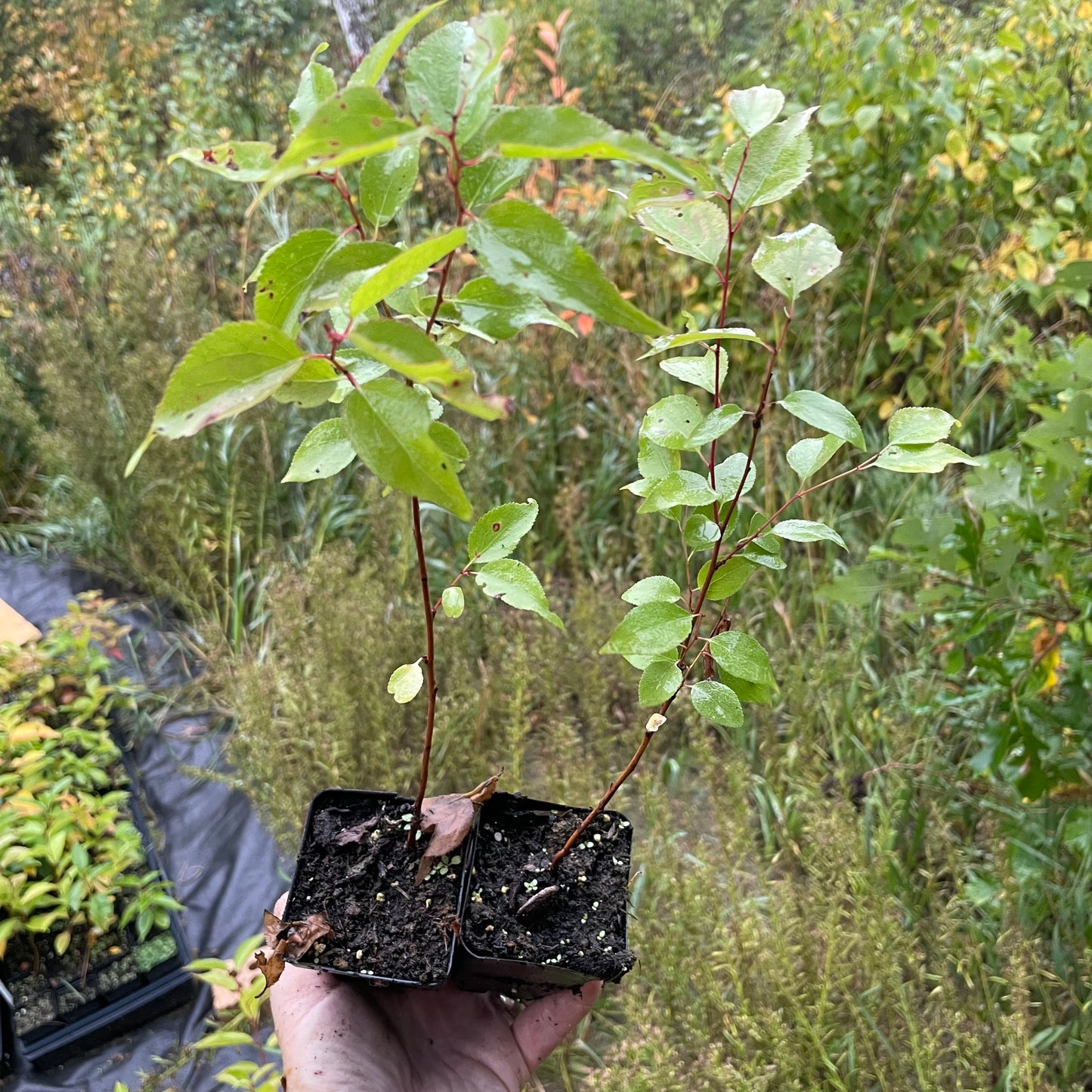
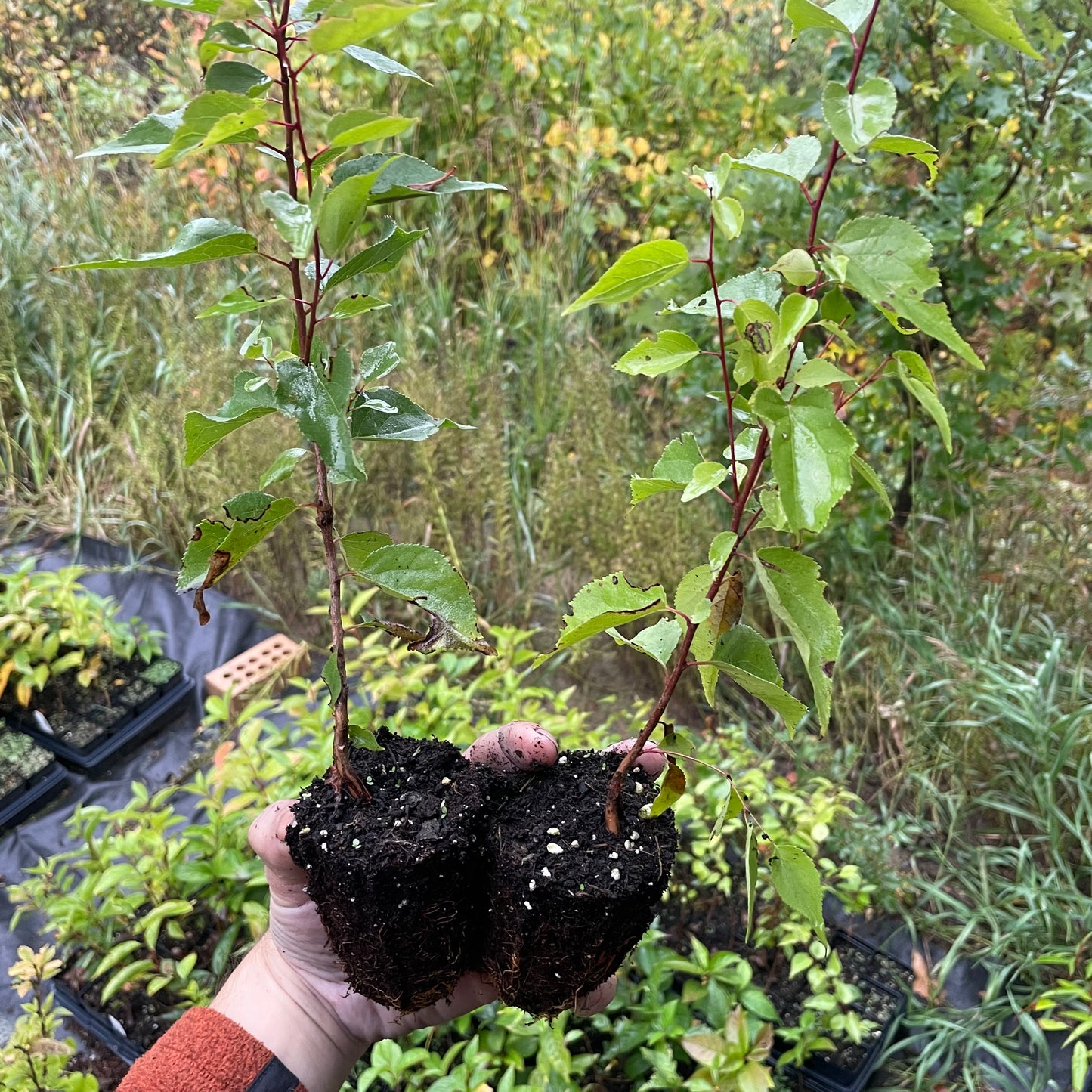
Manchurian Apricot (Prunus mandshurica) seedlings were grown from a local Manitoba orchard. The medium yellow orange fruit has a light blush and firm juicy flesh for fresh eating, canning, or drying.
Seed grown trees are genetically varied and will not be identical to the parent.
Winter tree ordering reminder
This tree is currently unavailable. Add a reminder and we’ll email when it returns for the winter tree ordering season.
Manage this reminder with your saved products from the header.

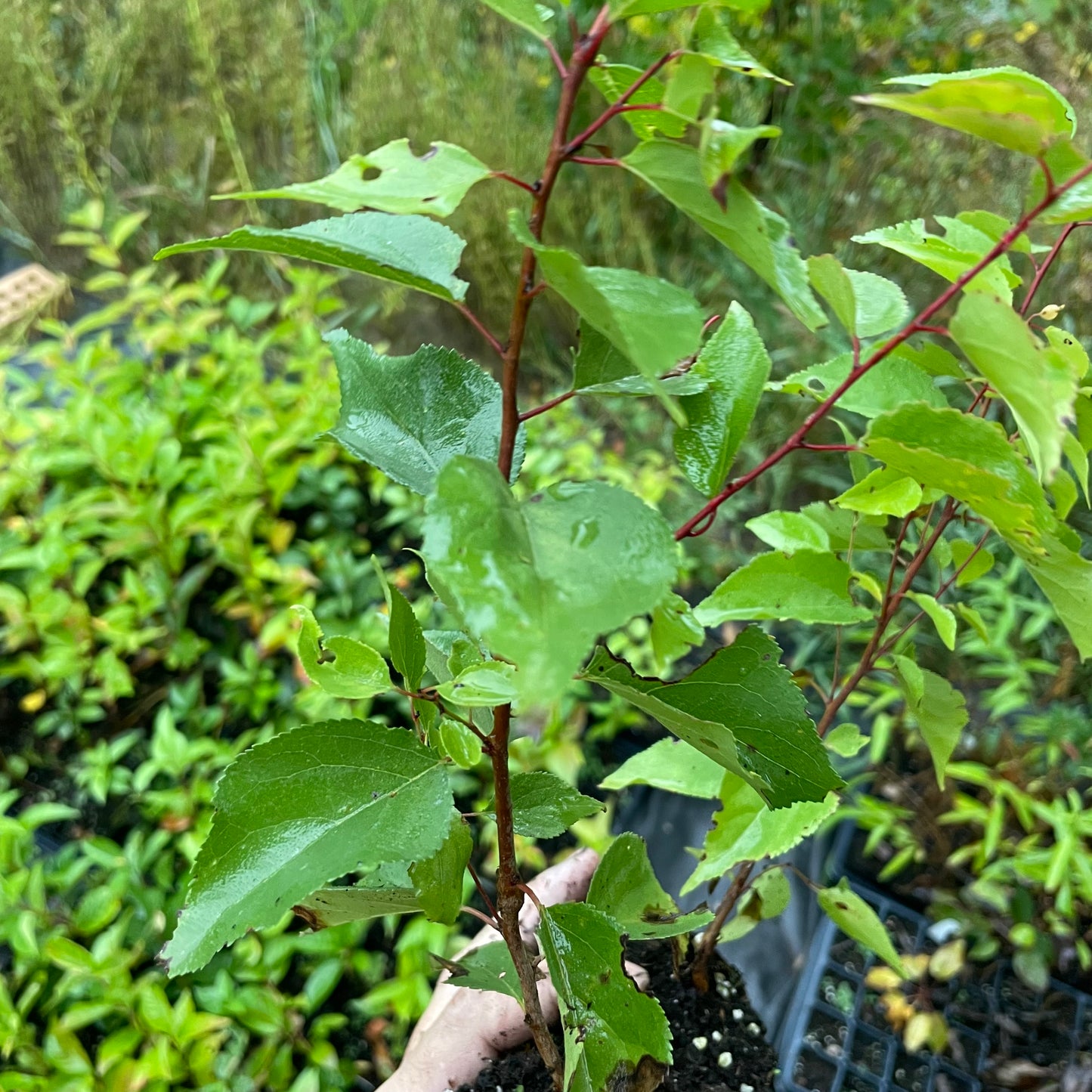
Early August
Seen on Manchurian apricots in southern Manitoba
Manchurian apricot comes from northeastern Asia, where winters are long and cold. Our seed is gathered in a Manitoba orchard, the same one where the Baker's Gold apricot was selected, so the parent trees have already proven themselves here. The leaves turn yellow and orange in fall.
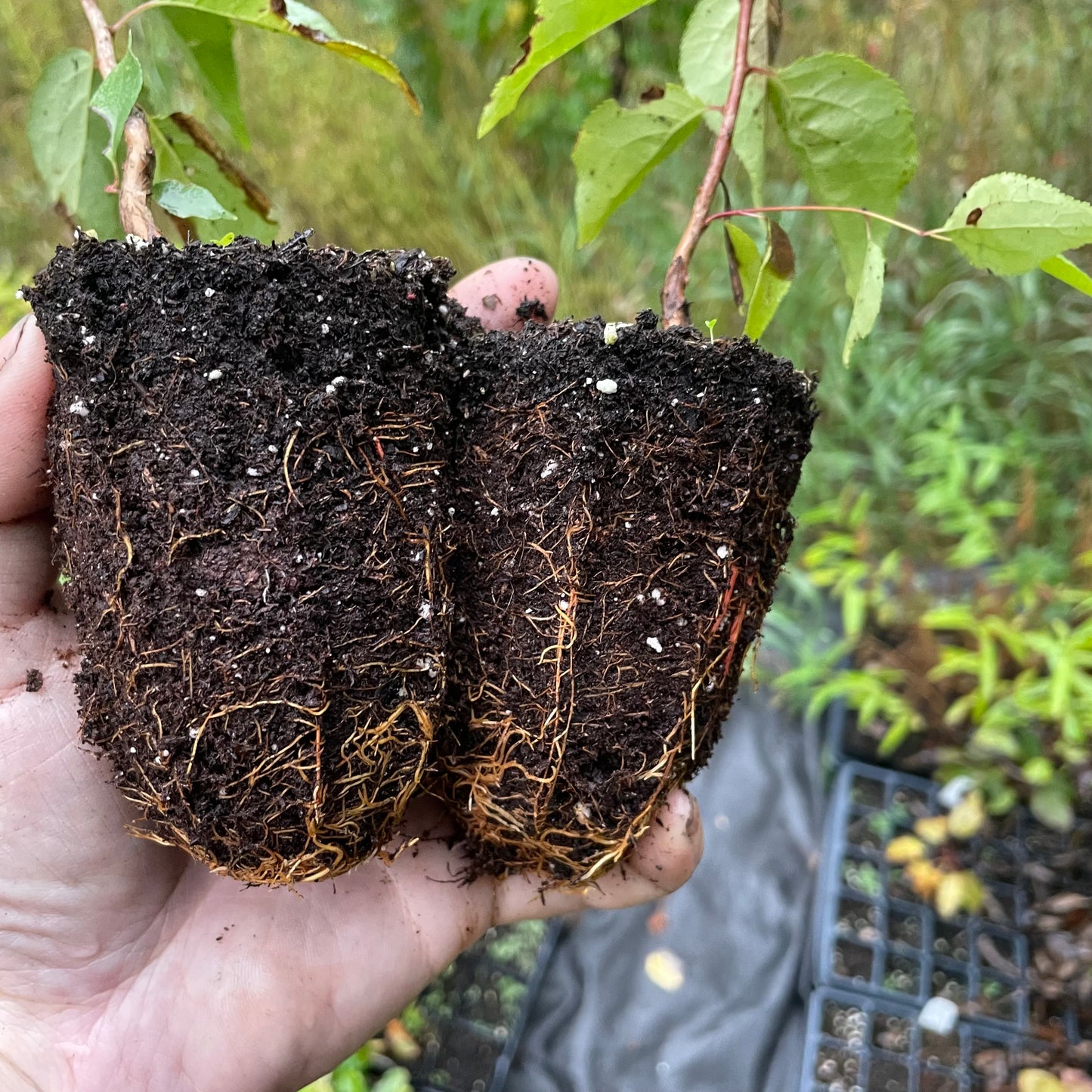
We start the seed in the greenhouse in April and move the young trees into large plug trays to size up over the summer. Each seedling is its own tree. Fruit size, flavour and ripening time will differ a little from one to the next, and none will be an exact copy of the parent. That variety is part of the appeal, and it is also why two seedlings pollinate each other well.
The tree is hardy. The flowers are the weak point. Apricots bloom before most other fruit trees, and a hard frost at bloom means little or no fruit that year. Expect good years and lean years.

Zone 3 and warmer
The map shows minimum winter hardiness. Soil, moisture and summer warmth also affect how a plant grows.
Climate: Natural Resources Canada, 1991–2020. Provincial distribution: VASCAN via retained botanical research. Province outlines: Natural Earth, public domain.
Open Government Licence – CanadaA single tree can set fruit, and planting two gives better crops. Each seedling is its own individual, so two planted together pollinate each other. Apricots bloom very early in spring, and a hard frost during bloom can take that year's crop.