Oak Summit Nursery
Semillas de cerezo Evans
Semillas de cerezo Evans
Contenido del paquete: 12+ semillas
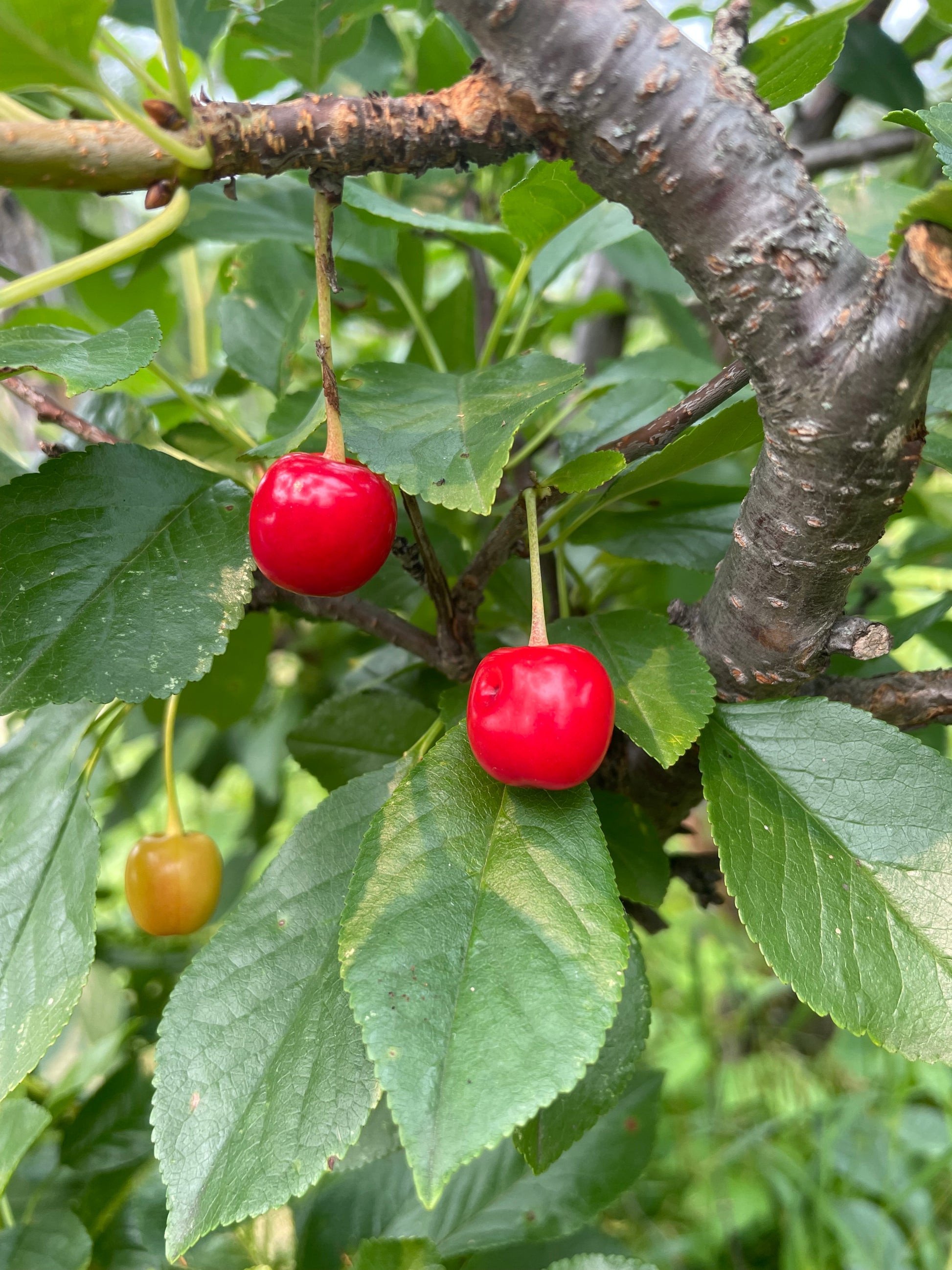
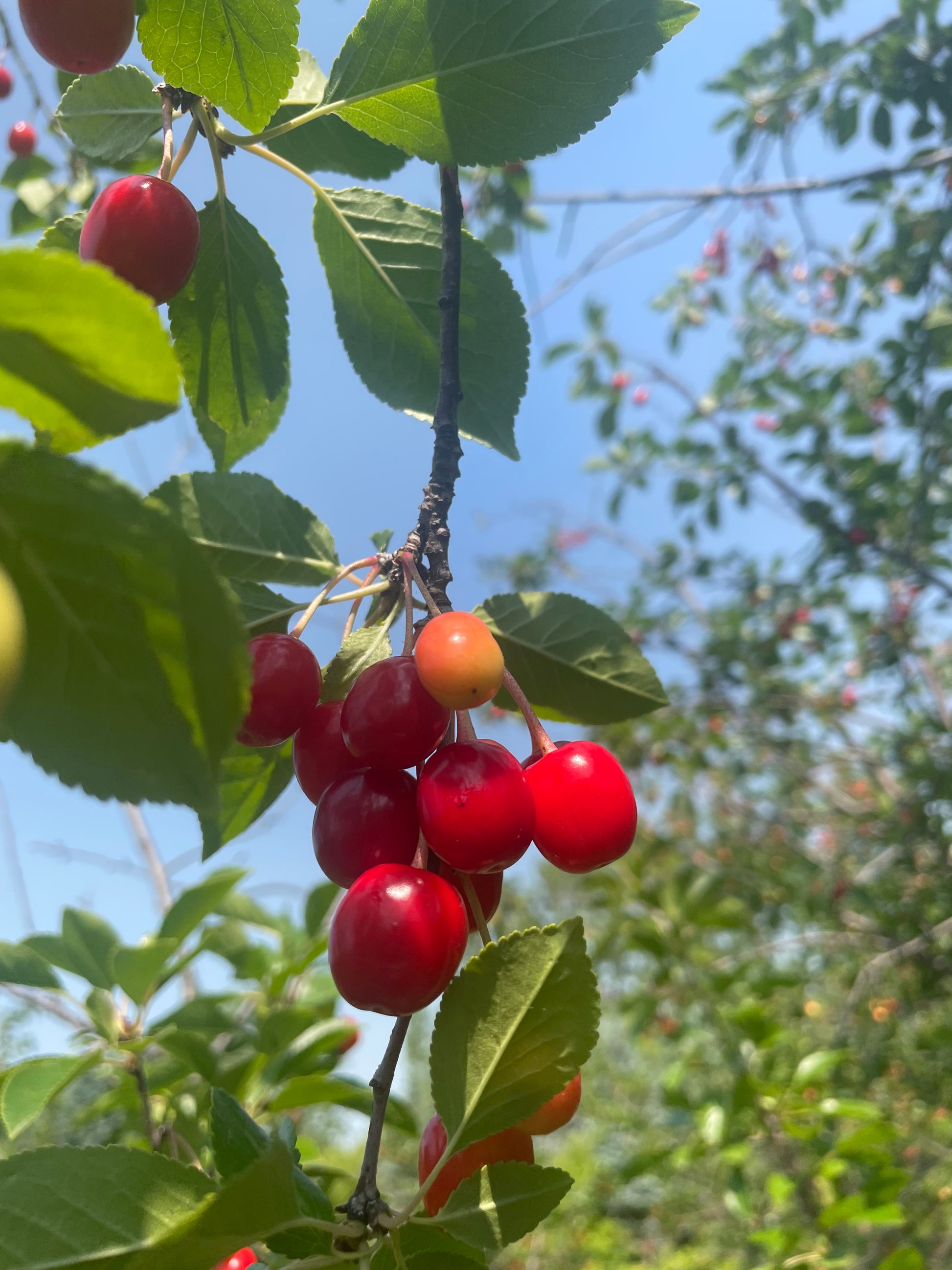
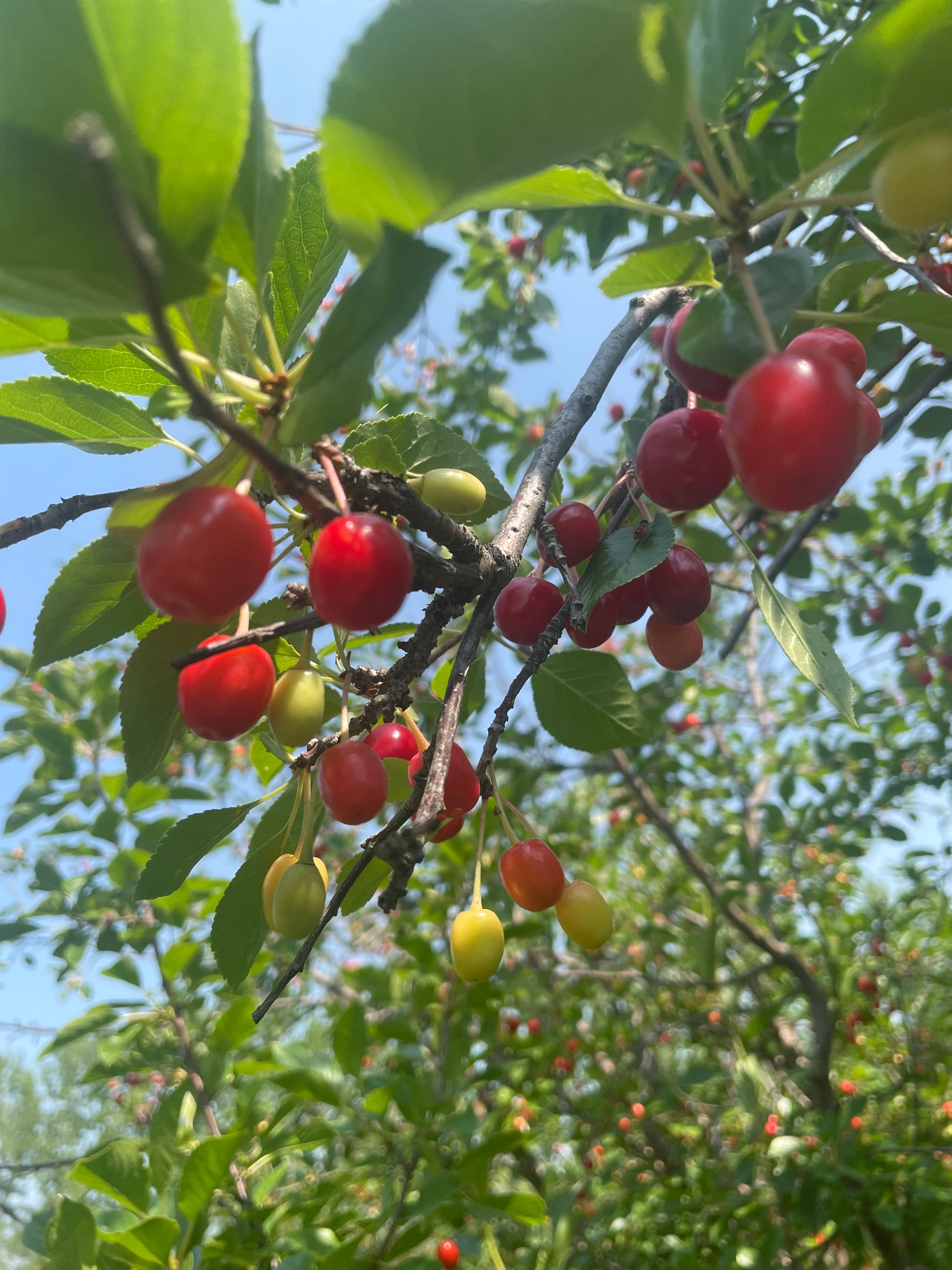
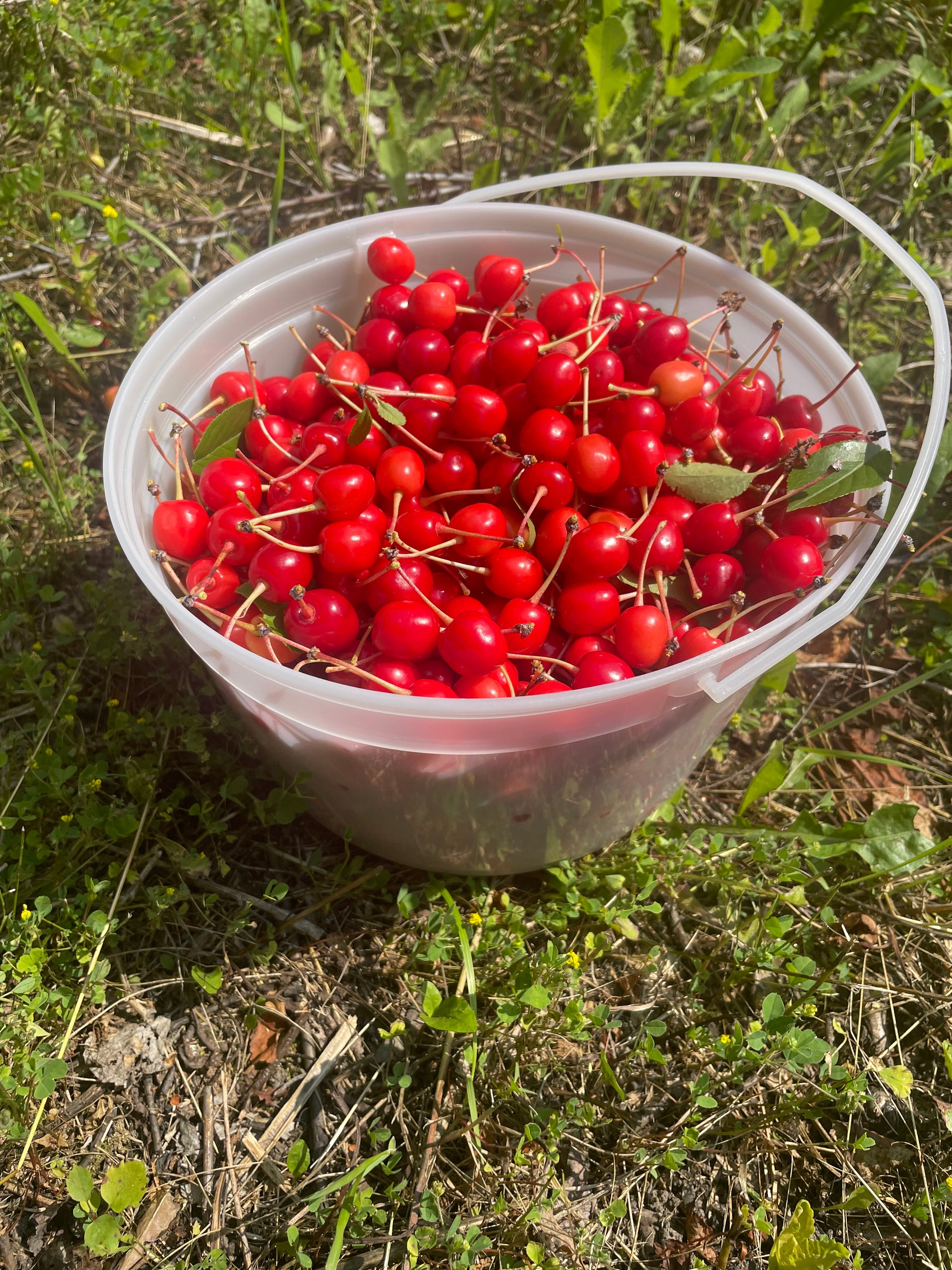
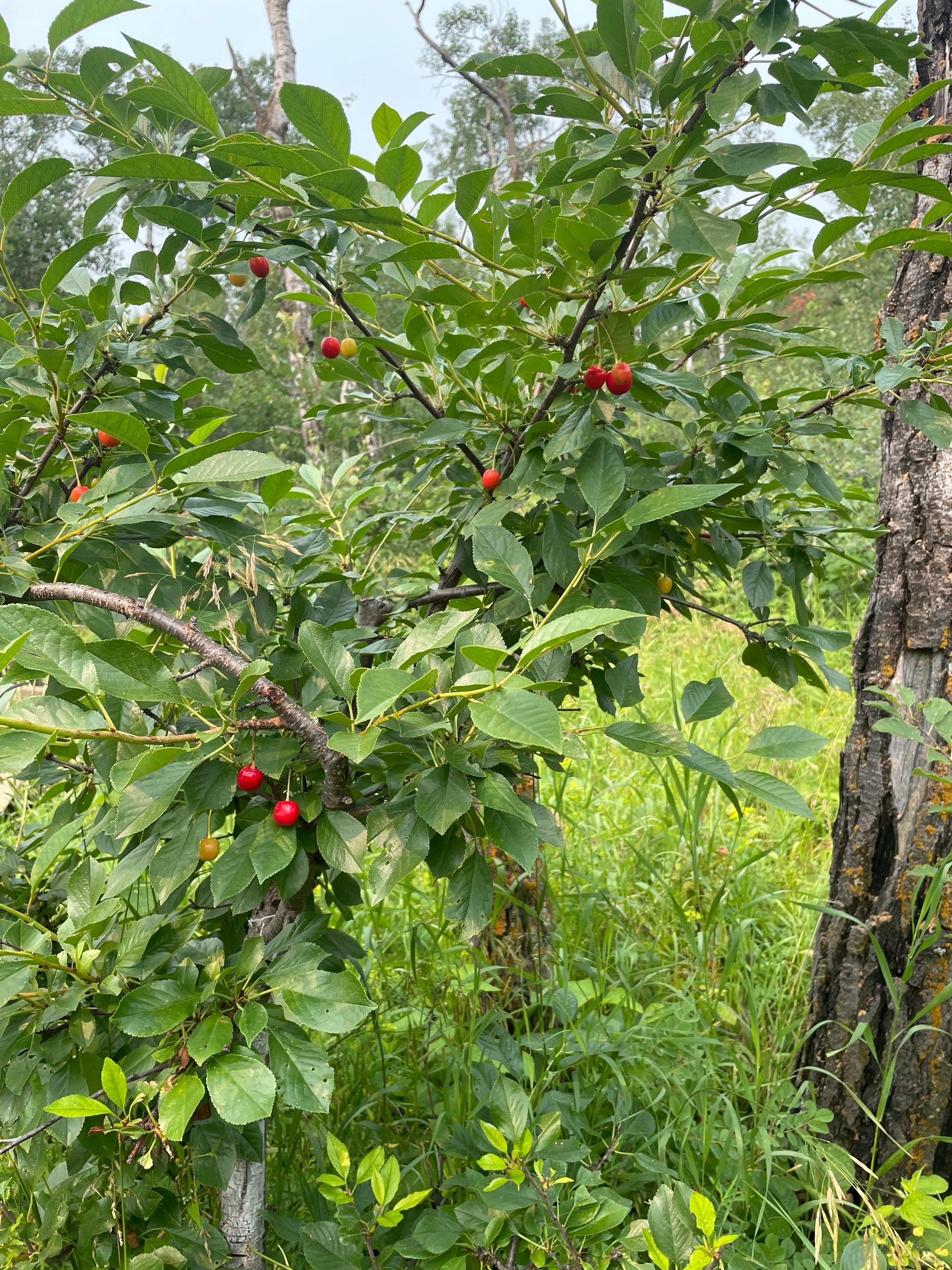
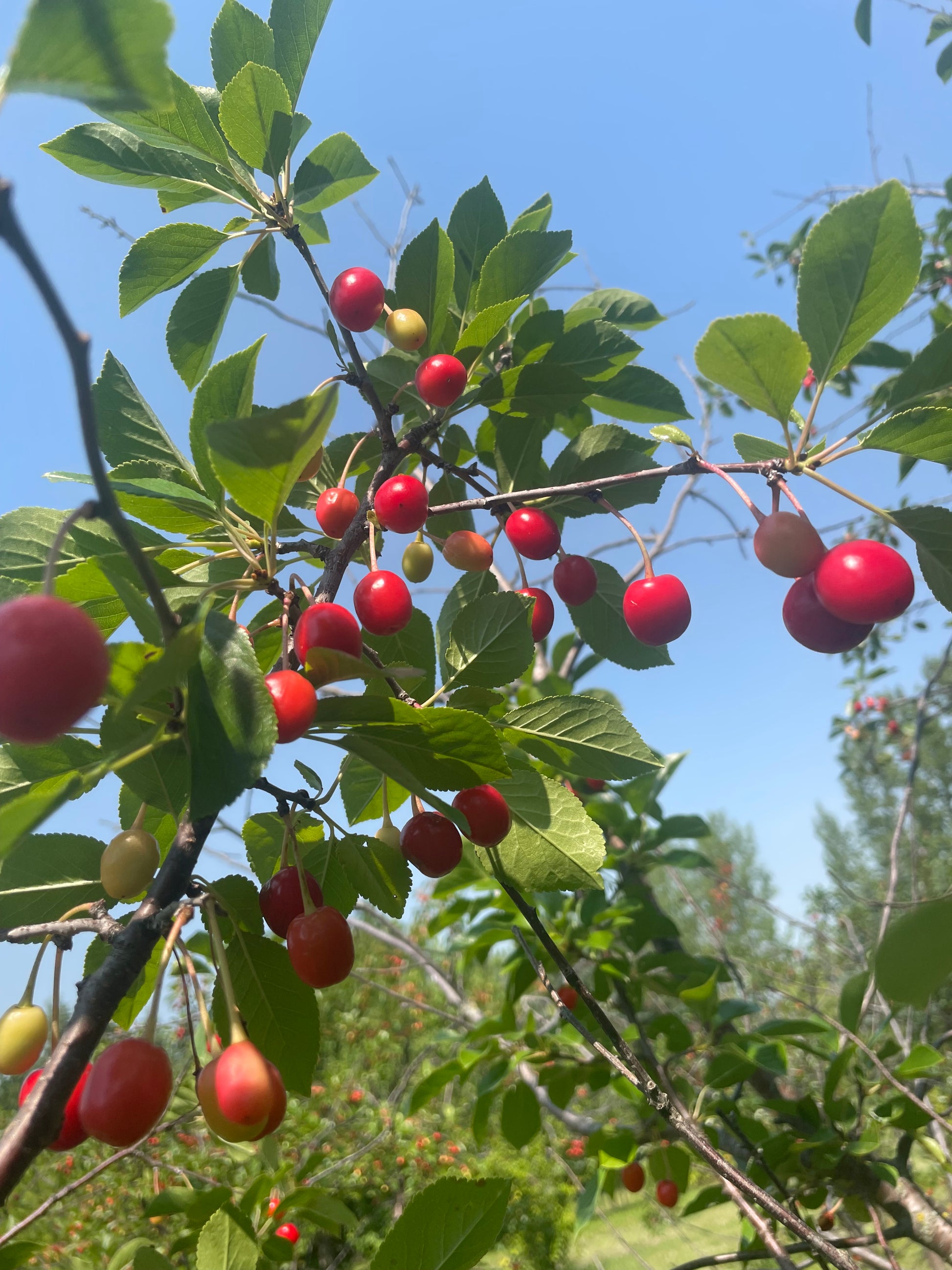
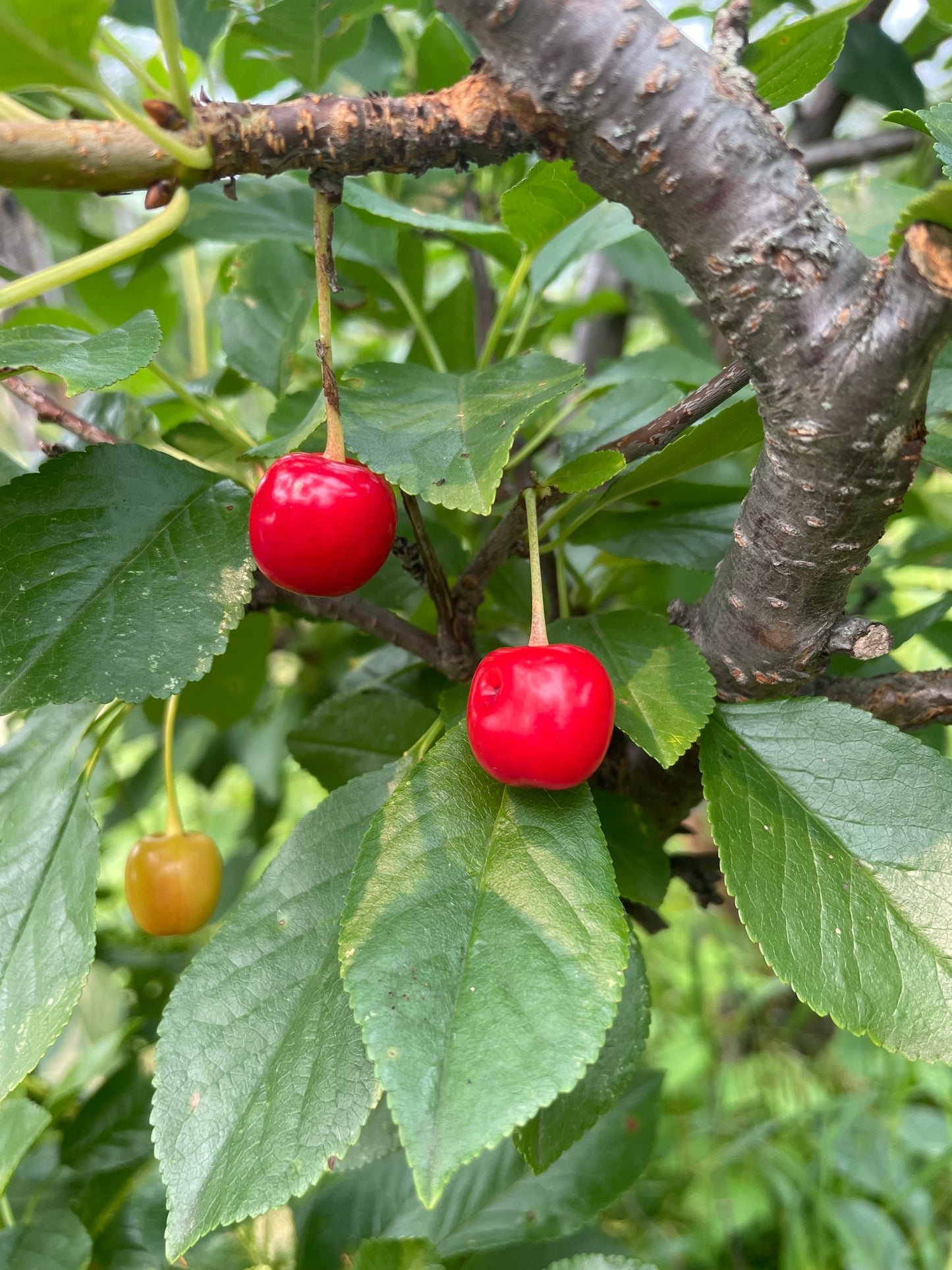
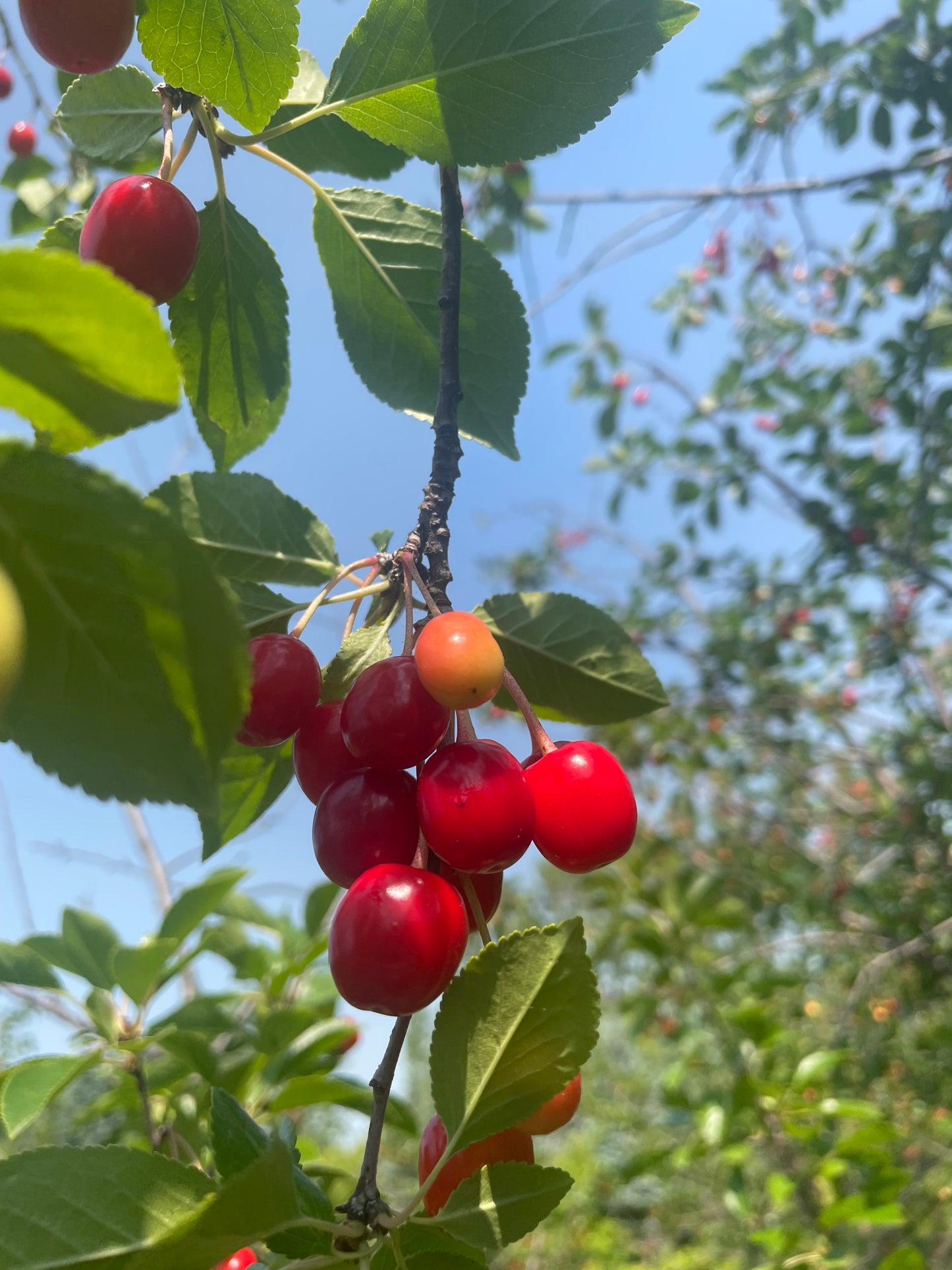
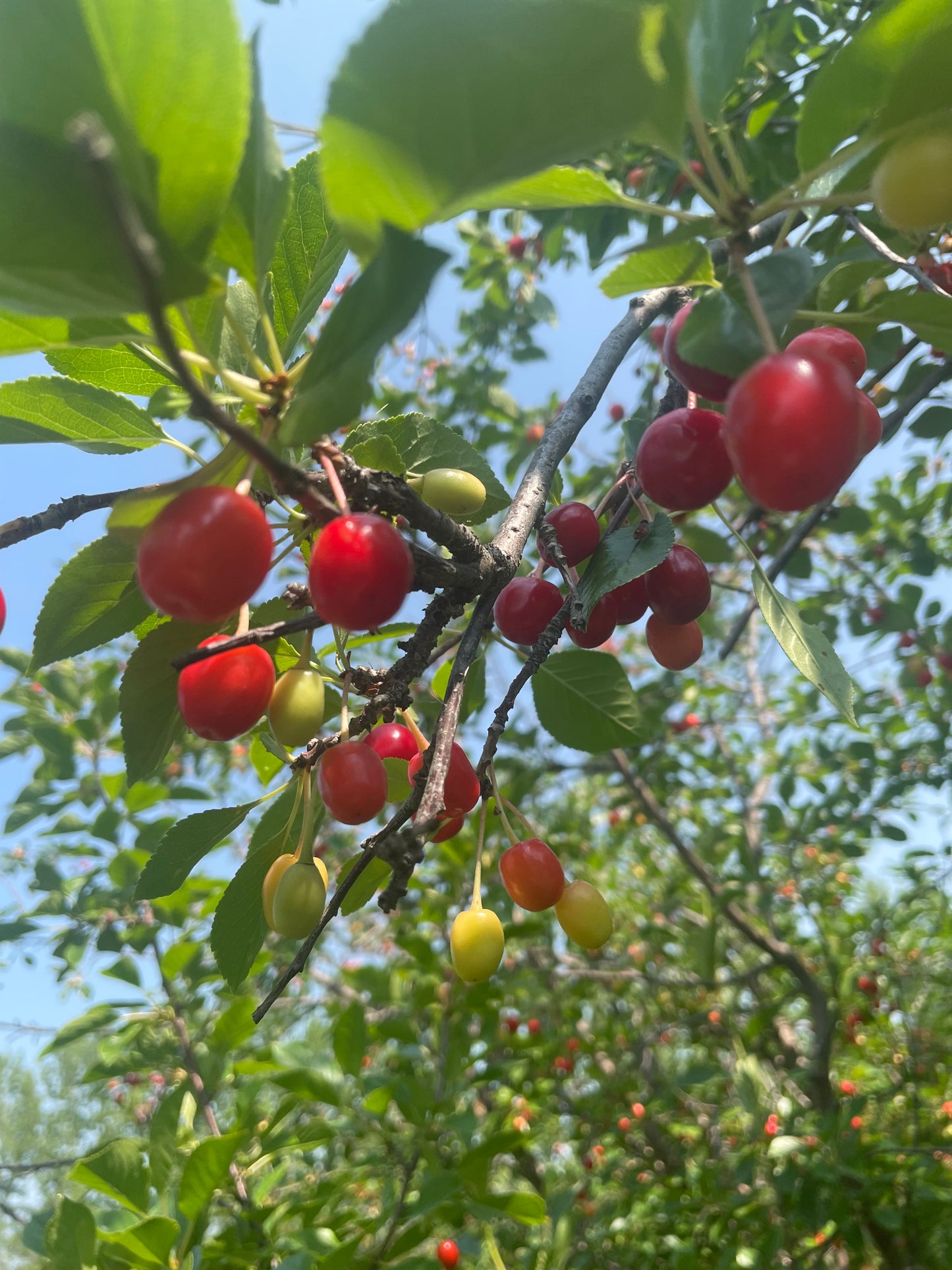
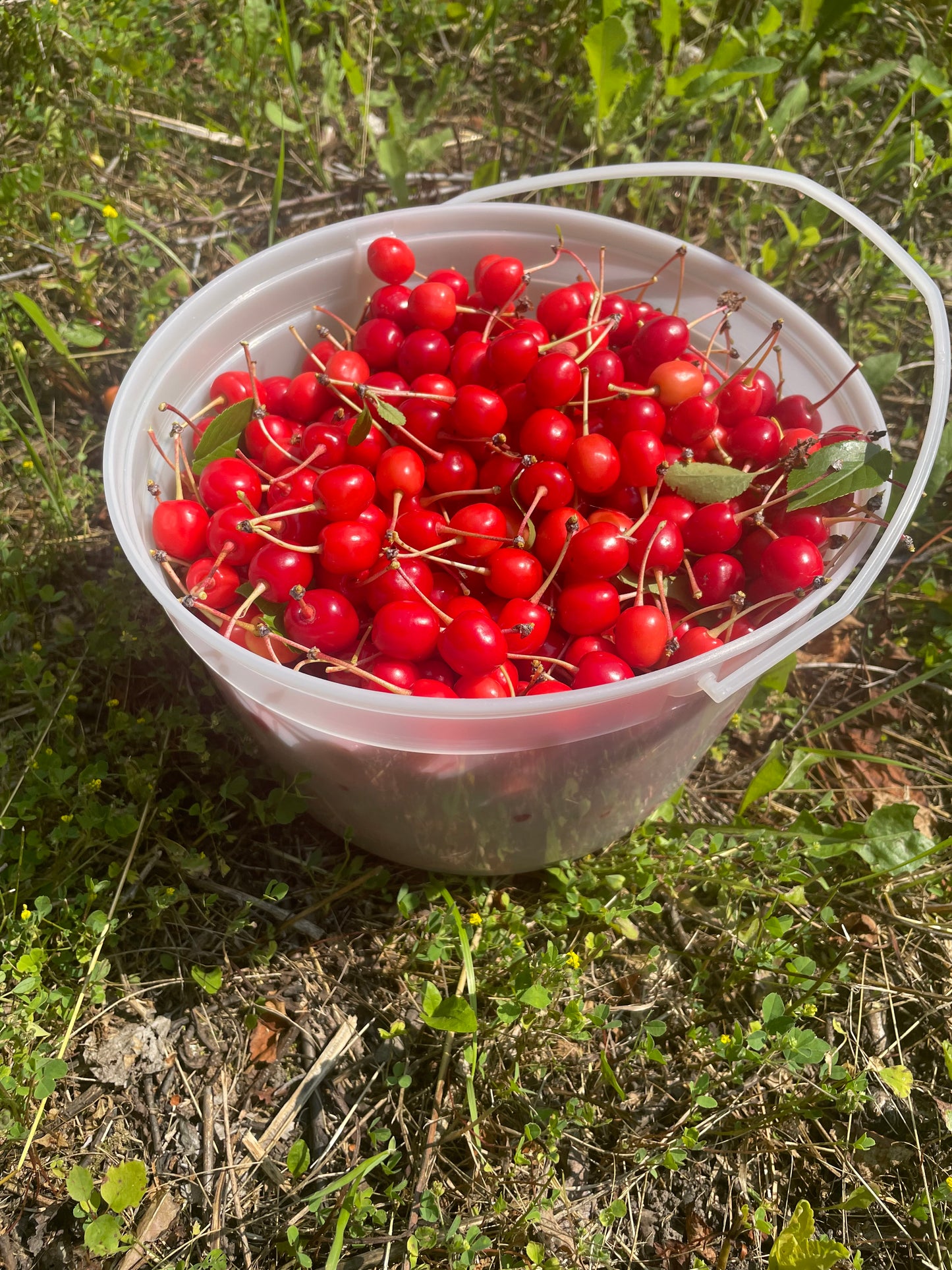
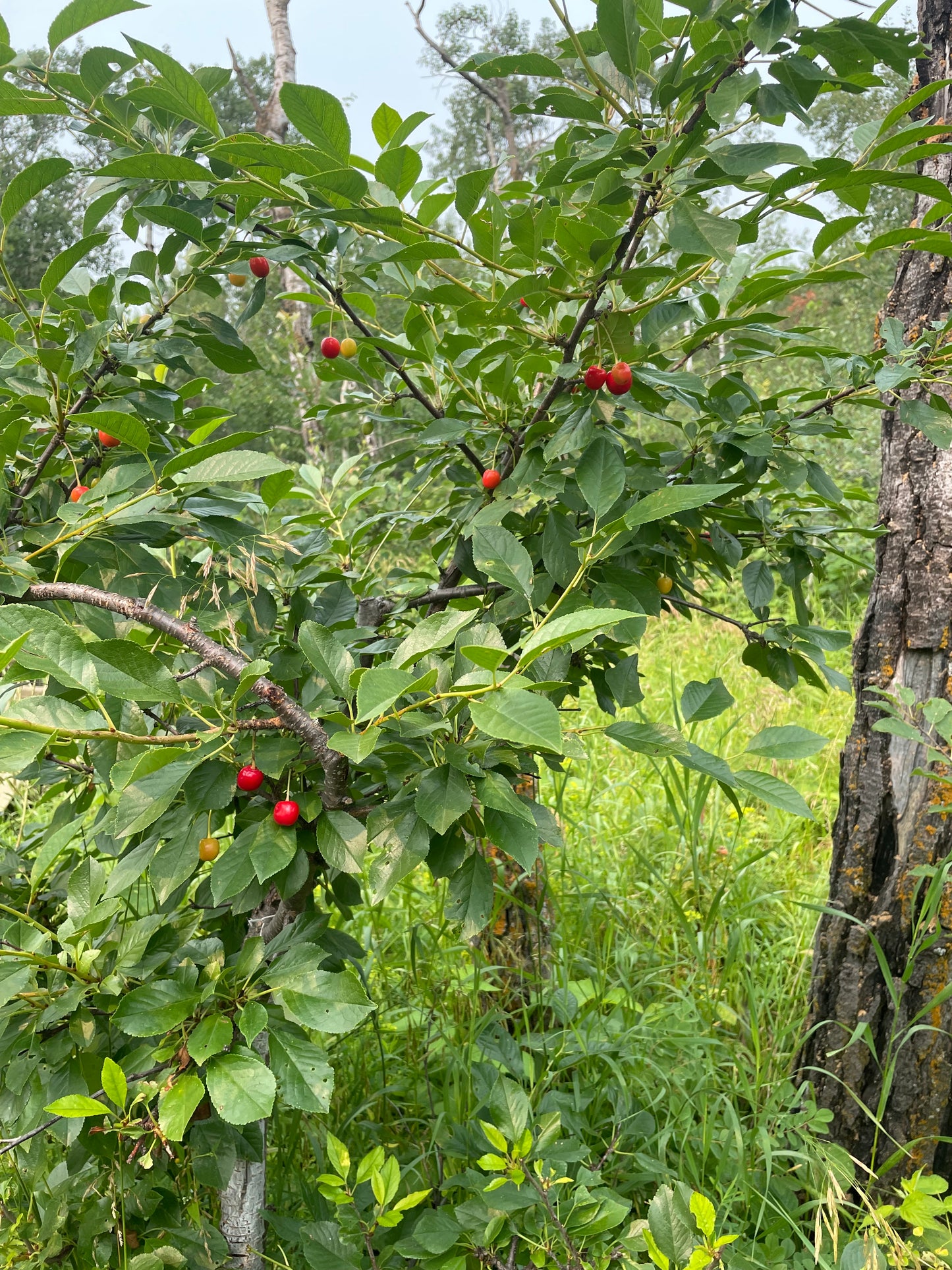
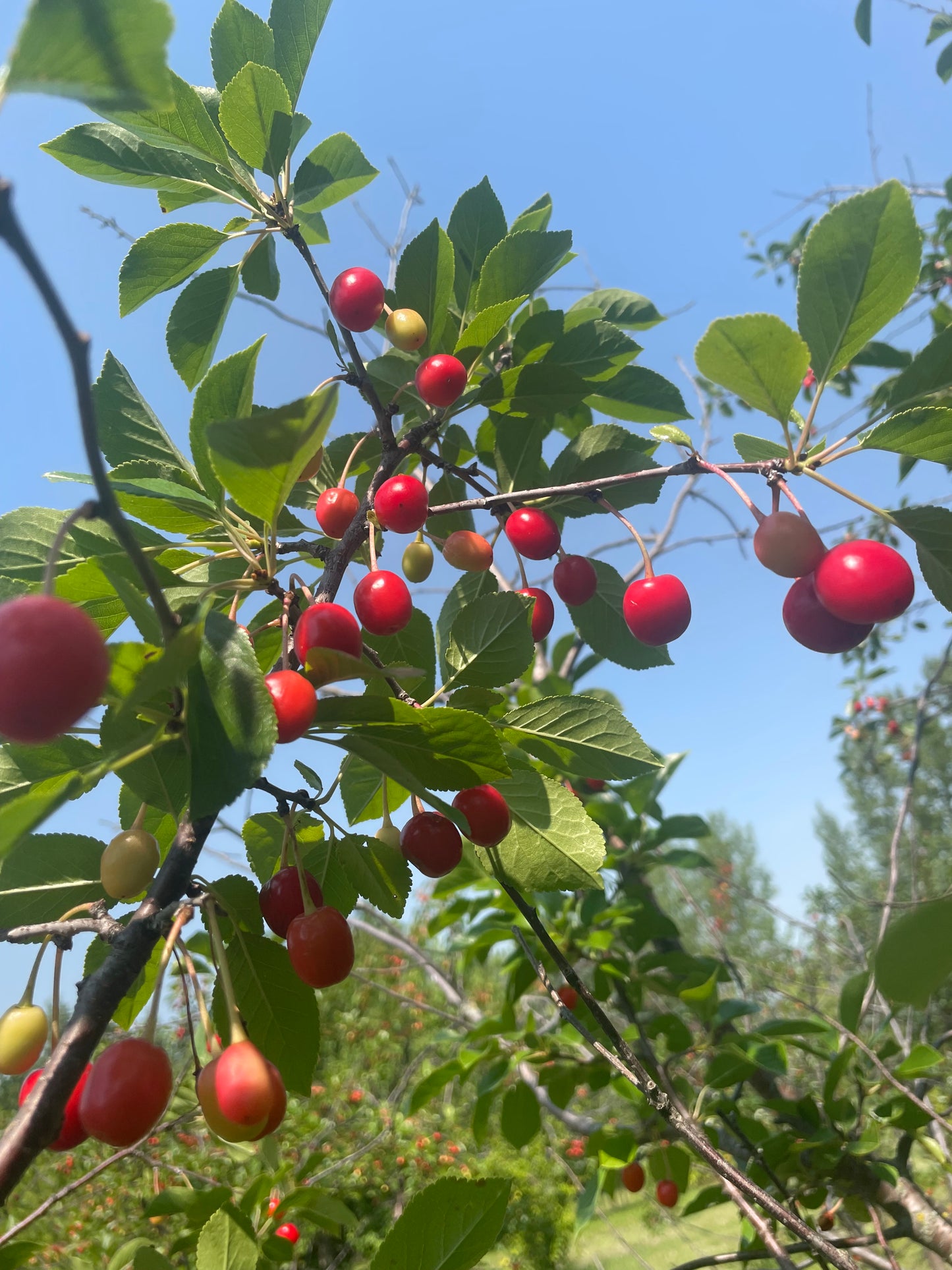
El cerezo Evans, también llamado Bali, es un cultivar de cerezo ácido resistente al frío descubierto en un antiguo huerto cerca de Edmonton en la década de 1920 y difundido posteriormente por el Dr. Ieuan Evans.
El árbol progenitor es autofértil y produce abundantes cerezas ácidas de color rojo vivo en julio. Las plántulas son genéticamente distintas de Evans y varían, aunque algunas pueden conservar una resistencia al frío de las praderas y una calidad de fruto similares.
Zona de resistencia al frío: 3
Origen de las semillas: Manitoba
Estratificación necesaria: 1 mes en calor, seguido de 3 a 5 meses en frío
Avísame cuando vuelva a estar disponible
Introduce tu correo electrónico para recibir un aviso cuando este artículo vuelva a estar disponible.
Gestiona este aviso desde la lista de artículos guardados del encabezado.
Cómo iniciar estas semillas
- Calor1 mesEstratificación en un ambiente cálido
- Frío3 a 5 mesesEstratificación en frío
- SiembraDespués de la etapa fría4 a 6 meses desde el inicio
Cómo estratificar semillas
Primero la etapa cálida. Mantenga la misma bolsa a temperatura ambiente durante el periodo cálido indicado, luego pásela al refrigerador.
En el refrigerador. Ponga la semilla en una bolsa con un sustrato húmedo como turba, vermiculita, arena o fibra de coco. El sustrato solo sirve para retener la humedad. Mantenga la bolsa en el refrigerador, por encima del punto de congelación, durante el periodo frío indicado, luego siembre.
O al aire libre. Siembre la semilla al aire libre en otoño y deje que el invierno aporte el periodo frío.
La planta que crece de estas semillas
Resistencia al fríoZona 3 · Mapas de Canadá para esta planta

Zona 3 y zonas más cálidas
El mapa indica la resistencia al frío invernal. El suelo, la humedad y el calor del verano también influyen en el crecimiento.
Acerca de estos mapas
Clima: Recursos Naturales de Canadá, 1991–2020. Distribución provincial: VASCAN, según la investigación botánica conservada. Límites provinciales: Natural Earth, dominio público.
Licencia de Gobierno Abierto de Canadá Semillas de prinsepia de cerezas
 Semillas de cerezo de Pensilvania
 Semillas de cerezo de Virginia Schubert - 35+ semillas
 Semillas de ciruelos de semilla
 Semillas de albaricoquero de Manchuria