


 Northline Saskatoon Seeds
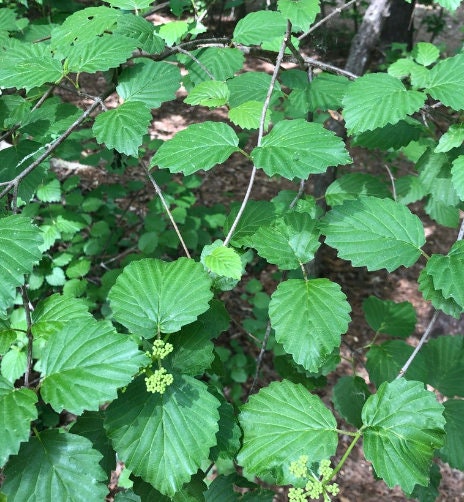 Arrowwood Viburnum Seeds
 Wild Sea Buckthorn Seeds
 Boyne Raspberry Seeds
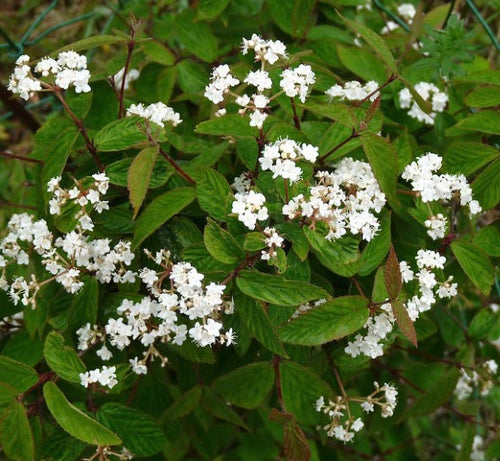 Chinese Viburnum Seeds
Thiessen Saskatoon Seeds
$8.95 CAD
Oak Summit Nursery
Pack contains: 40+ seeds
Explore seeds in stock
Thiessen Saskatoon Seeds Northline Saskatoon SeedsCouldn't load pickup availability
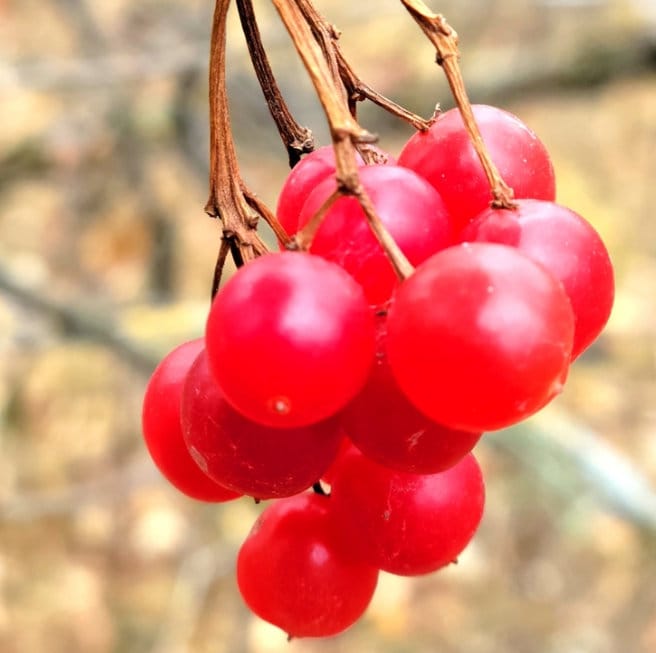
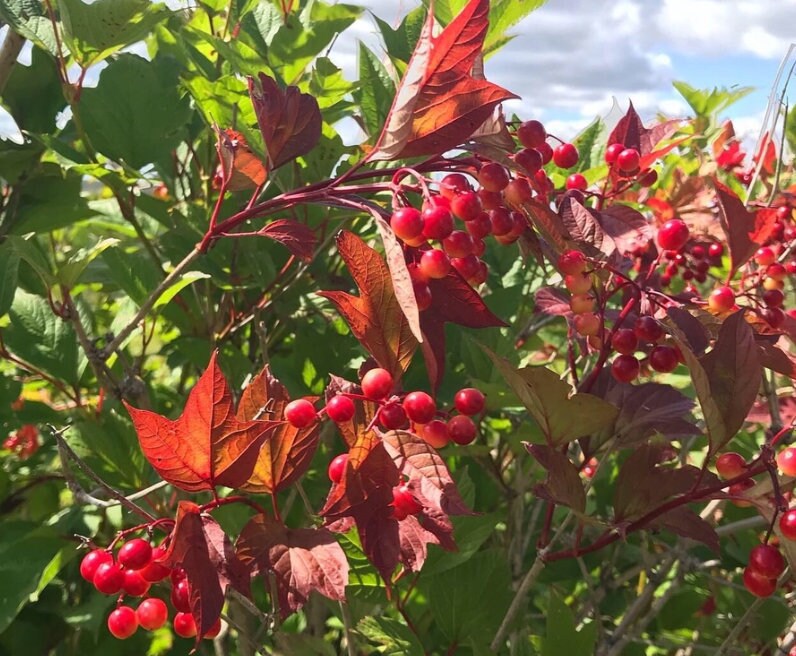
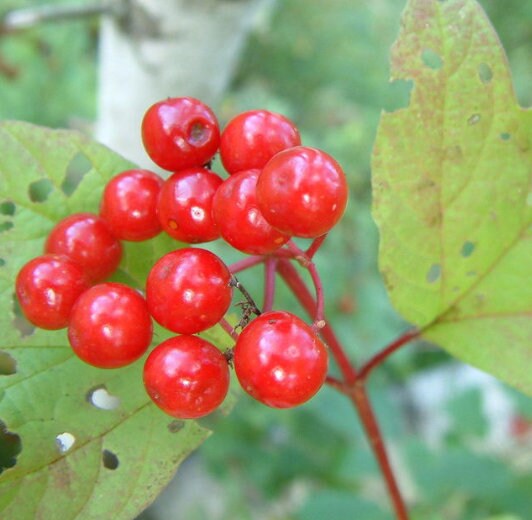
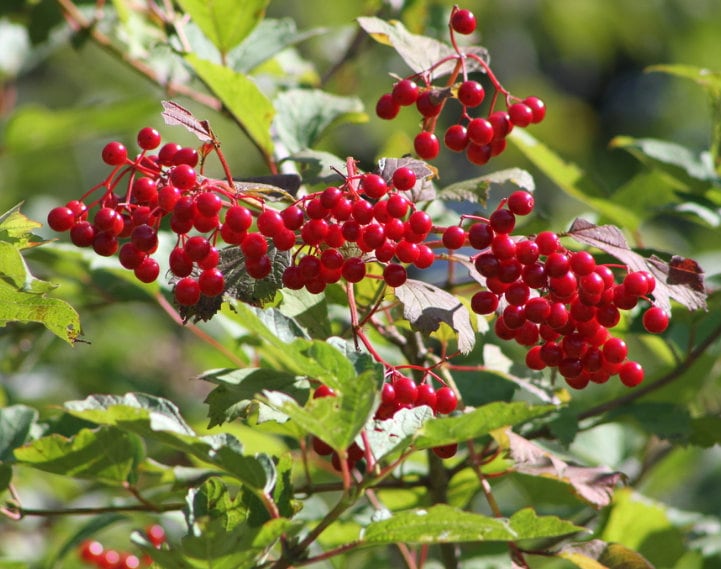
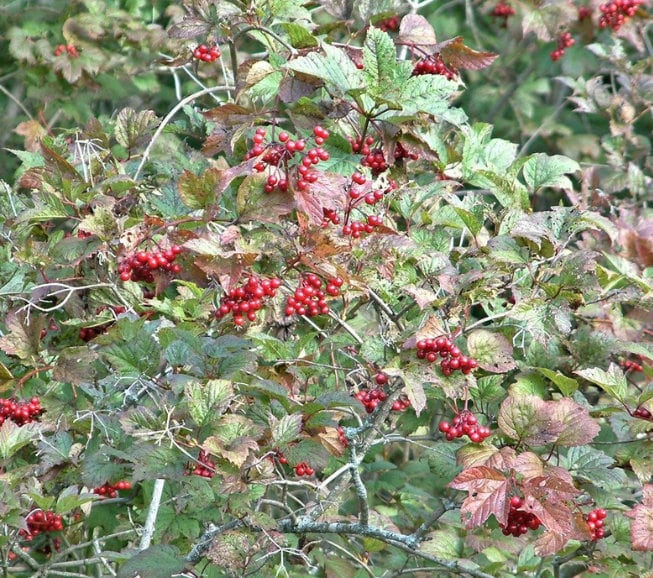
Highbush Cranberry (Viburnum trilobum) is a native North American shrub with bright red berries and a tart cranberry like flavour. The fruit is especially well suited to jelly.
Despite its common name, Highbush Cranberry is a viburnum related to elderberry rather than a true cranberry.
Notify me when back in stock
Enter your email to add a back in stock reminder for this item.
Manage this reminder with your saved products from the header.
Warm stage first. Keep the same bag at room temperature for the warm period shown, then move it to the fridge.
In the fridge. Put the seed in a bag with a damp medium such as peat moss, vermiculite, sand or coco coir. The medium is only there to hold moisture. Keep the bag in the fridge, above freezing, for the cold period shown, then sow.
Or outside. Sow the seed outdoors in the fall and let winter do the cold period.
The plant these seeds grow into

Zone 2 and warmer
The map shows minimum winter hardiness. Soil, moisture and summer warmth also affect how a plant grows.
Climate: Natural Resources Canada, 1991–2020. Provincial distribution: VASCAN via retained botanical research. Province outlines: Natural Earth, public domain.
Open Government Licence – Canada