


Oak Summit Nursery
Chicago Hardy Fig
Chicago Hardy Fig
Plant orders start at $30.
Winter tree ordering reminder
This tree is not available in the current fall sale. Add a reminder for the winter tree ordering season.
Set a reminderCompare offered sizes
Couldn't load pickup availability
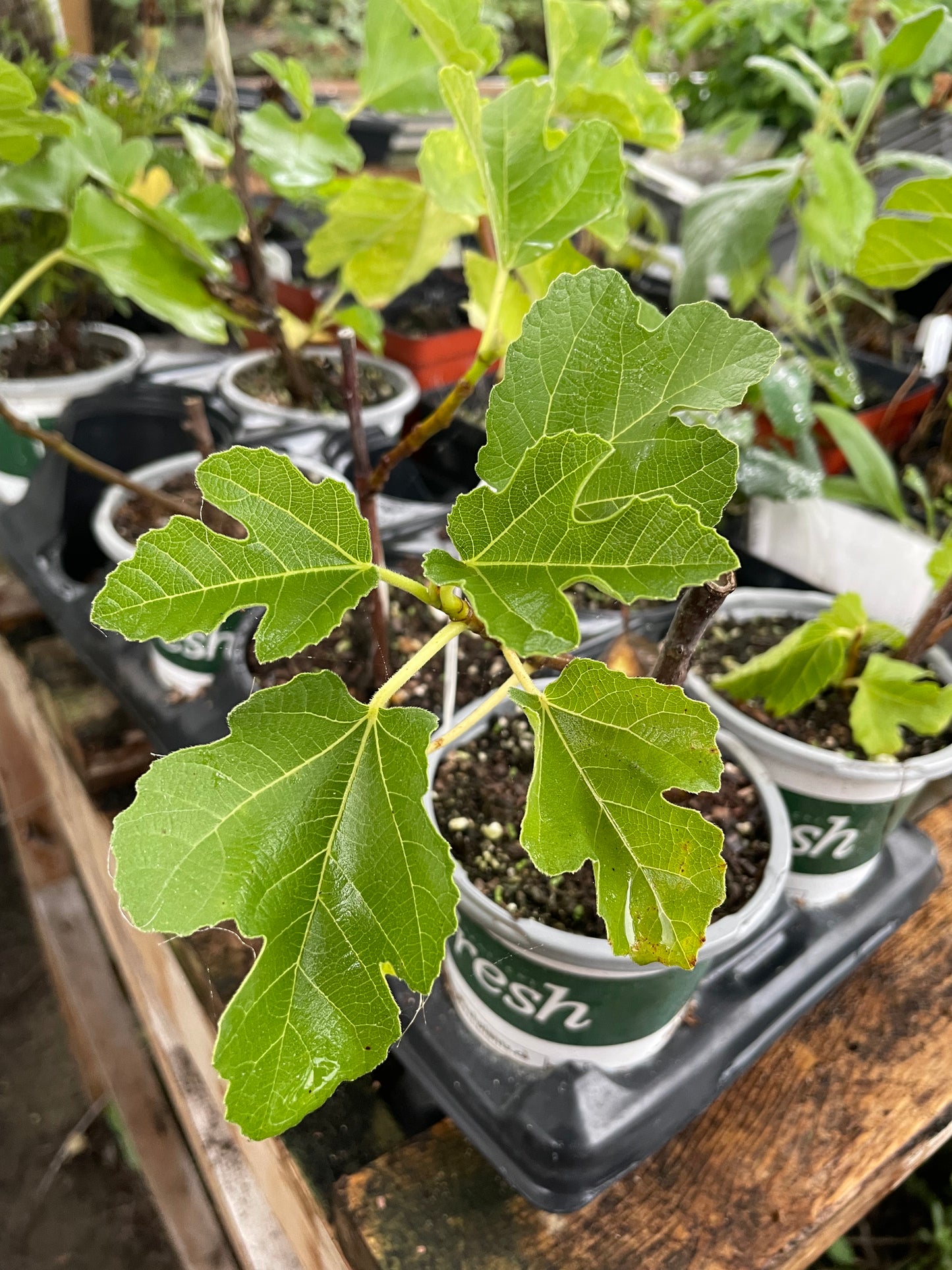
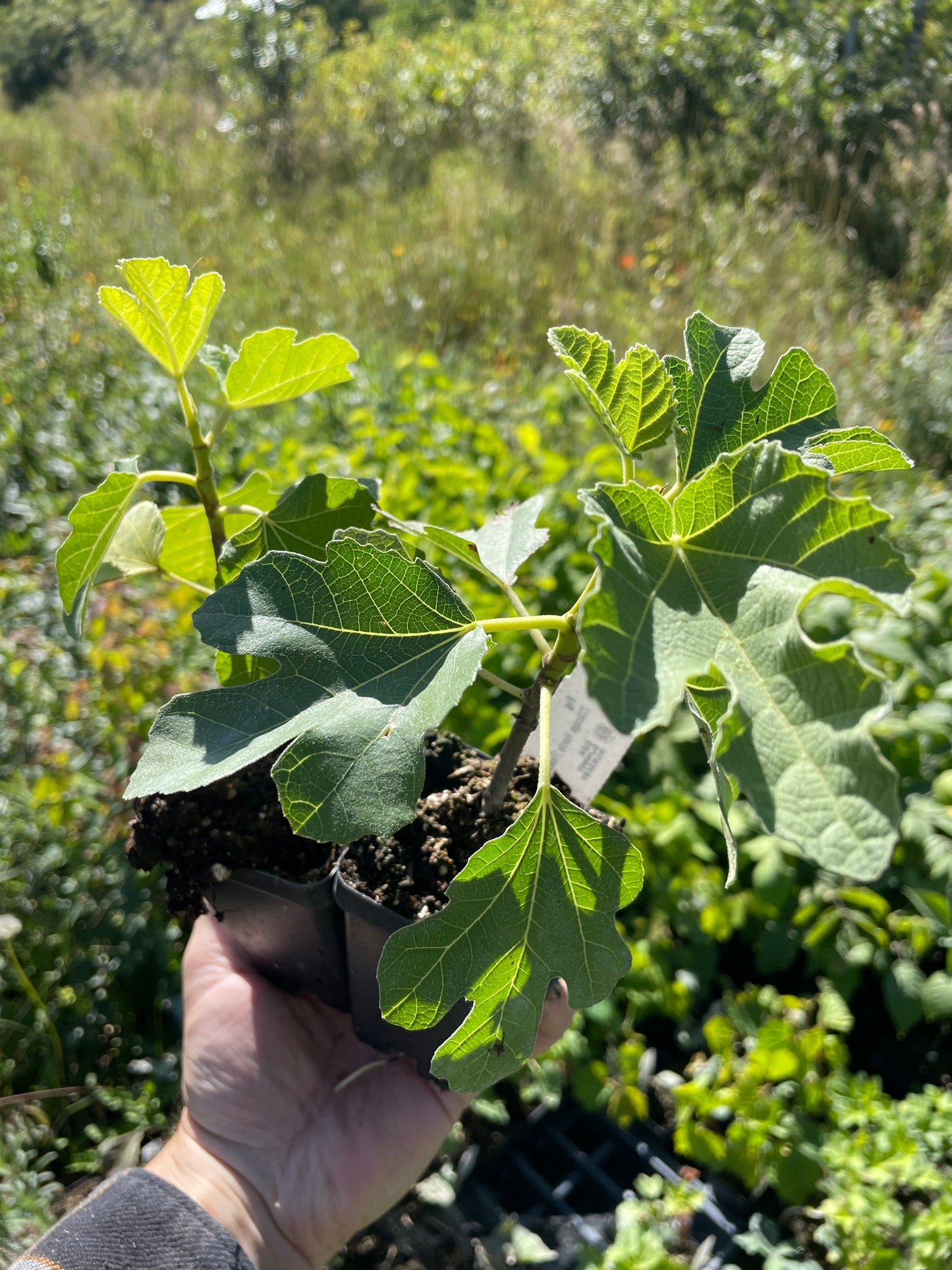
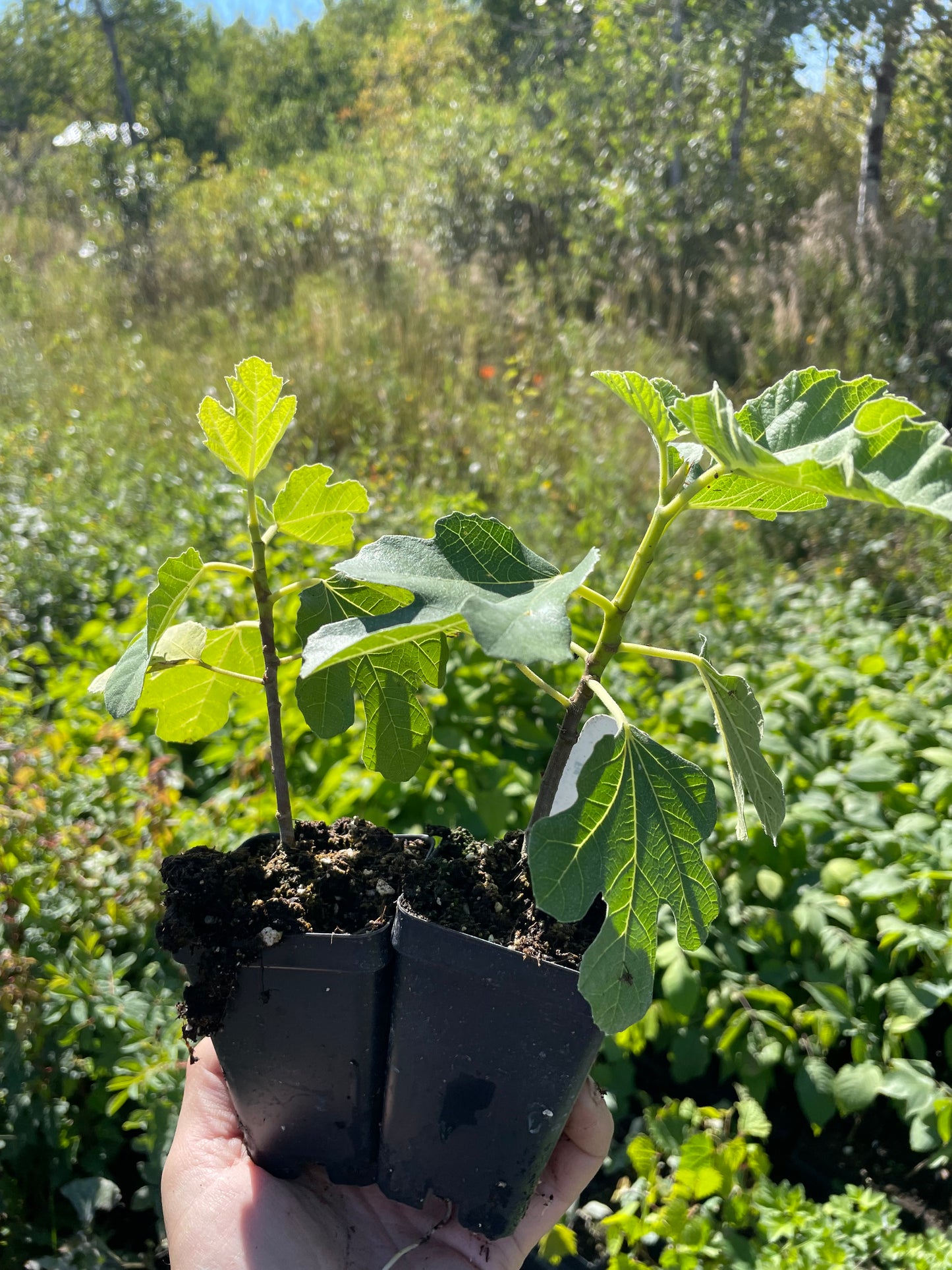
Chicago Hardy Fig, also called Bensonhurst Purple, is a fig selected in the Chicago area for greater cold tolerance. Well protected plants can survive temperatures near −29°C (−20°F), although winter damage remains possible in cold climates.
The self fertile shrubs produce medium purple brown figs with sweet, rich flesh from late summer into early fall. Fruit is eaten fresh, dried, or used for preserves. Plants remain smaller in containers, which can be moved into protected storage for winter.
Cold Hardiness Zone: 5
Mature Size: 6 to 10 ft tall and wide in the ground
Winter tree ordering reminder
This tree is currently unavailable. Add a reminder and we’ll email when it returns for the winter tree ordering season.
Manage this reminder with your saved products from the header.
Growing details
- Regional fruiting context
- Early relative to listed figs in Virginia; top-kill can delay fruiting to late fall
- Growing site
- Full sun; rich loam with good drainage; regular water while establishing
- Pollination
- Self-fruitful for ordinary home-garden production
- Size and pruning
- Source reference 10-15 ft tall and 9-12 ft wide; pruning can hold near 6 ft
More about this plant
Chicago Hardy is self-fruitful for ordinary home-garden production. A Virginia source describes it as early relative to other listed figs, while noting that winter top-kill can delay fruiting until late fall if warm weather continues; this is regional context rather than a Manitoba prediction. Root or crown regrowth is distinct from routine lateral suckering. Full sun, rich loam, good drainage and regular establishment water are recommended, with some drought tolerance after establishment. Pruning can hold a plant near 6 ft, while an unrestrained source reference is 10-15 ft tall and 9-12 ft wide.
Cold hardinessZone 5 · Canadian maps for this plant

Zone 5 and warmer
The map shows minimum winter hardiness. Soil, moisture and summer warmth also affect how a plant grows.
About these maps
Climate: Natural Resources Canada, 1991–2020. Provincial distribution: VASCAN via retained botanical research. Province outlines: Natural Earth, public domain.
Open Government Licence – Canada