
Canada Wild Plum Seeds
$8.95 CAD
Oak Summit Nursery
Plant orders start at $30.
Winter tree ordering reminder
This tree is not available in the current fall sale. Add a reminder for the winter tree ordering season.
Set a reminderCouldn't load pickup availability
Westcot Apricot was developed from Scout and McClure and introduced by Agriculture Canada at Morden, Manitoba, in 1982. It is one of the hardiest named apricots, with reports of wood surviving about -44°C (-48°F). Large golden freestone fruit measures about 3.5 to 4.5 cm, with firm, sweet flesh measured around 18 Brix. Fruit ripens in late summer and is suited to fresh eating and canning.
Westcot has been described as self fertile, but crops improve with another compatible apricot nearby. It blooms slightly before Debbie's Gold, and late spring frost can still damage the early flowers.
Cold Hardiness Zone: 2
Winter tree ordering reminder
This tree is currently unavailable. Add a reminder and we’ll email when it returns for the winter tree ordering season.
Manage this reminder with your saved products from the header.
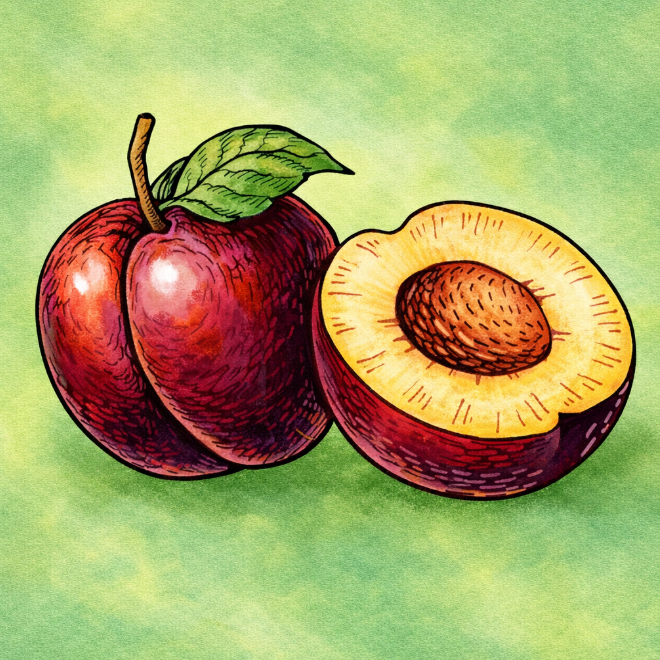
Westcot is described as a sweet apricot with a cited soluble-solids reading of 18 Brix. The retained Zone 2 label comes from an unspecified system and is not converted. Regional sources place ripening in mid-July in southern Minnesota and from late July into the first week of August in Missoula, Montana; these are not Manitoba predictions. The cultivar is described as self-fertile, while a compatible apricot may improve yield. Westcot is reported as Scout x McClure and introduced by Agriculture Canada at Morden, Manitoba, in 1982. One nursery says trees on Manchurian apricot rootstock can reach about 25 ft unpruned, but the exact rootstock for this listing is unresolved.

Zone 2 and warmer
The map shows minimum winter hardiness. Soil, moisture and summer warmth also affect how a plant grows.
Climate: Natural Resources Canada, 1991–2020. Provincial distribution: VASCAN via retained botanical research. Province outlines: Natural Earth, public domain.
Open Government Licence – Canada