

Kerr Crabapple Tree
$44.00 CAD
Oak Summit Nursery
Plant orders start at $30.
Couldn't load pickup availability
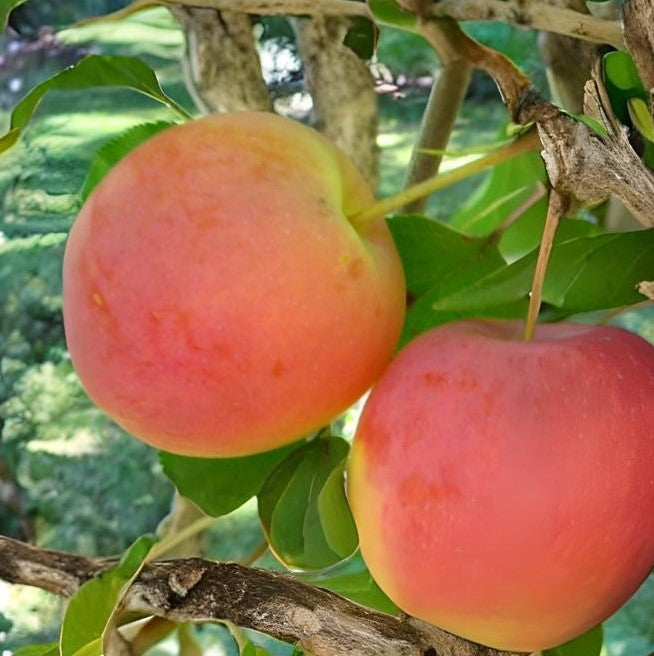
Trailman apple was developed at the Beaverlodge Research Station in Alberta from Trail and Osman and introduced in 1973. The small, egg shaped fruit measures about 4 to 4.5 cm (1 3/4 inches), with thin translucent yellow skin, a porcelain finish, and a reddish brown wash. Crisp, creamy yellow flesh is moderately juicy, sweet, spicy, and lightly tart, with a distinctive nutty flavour.
Trailman is suited to fresh eating, cooking, canning, jelly, and juice. Fruit ripens from late August into early September and keeps for up to two months in cold storage. The vigorous, productive trees are highly resistant to fire blight and resistant to cedar apple rust.
Winter tree ordering reminder
This tree is currently unavailable. Add a reminder and we’ll email when it returns for the winter tree ordering season.
Manage this reminder with your saved products from the header.

Late August into early September
Timing varies with season and site
Trailman was developed at the Beaverlodge Research Station in Alberta from Trail and Osman, and introduced in 1973.

Zone 1 and warmer
The map shows minimum winter hardiness. Soil, moisture and summer warmth also affect how a plant grows.
Climate: Natural Resources Canada, 1991–2020. Provincial distribution: VASCAN via retained botanical research. Province outlines: Natural Earth, public domain.
Open Government Licence – CanadaApples need pollen from a different apple or crabapple to set fruit. A second variety in your yard will do it, and so will a neighbour's apple or fruiting crabapple. Double flowered ornamental crabapples make no pollen and do not count.