northern white cedar, in it's second year. These were started from seed last spring and planted into small plug trays, and I offered them over the winter just as very small plugs - the ones we had left have now been transplanted into some large plug trays and they're starting to size up.
Read this Field NoteFrom our nursery
Photos from the nursery
Original photos of this plant from Oak Summit Nursery.
northern white cedar. I've been germinating conifers in pots like this, and then transplanting into plug trays. it saves on greenhouse space and time in the spring, and lets you carefully water and take care of the seed through the critical germination period. You can direct sow into a garden or nursery bed, and keep them there for at least a year before planting out in a yard or tree line, I tend to grow them for two or three years to get up to size. I've also rooted cedar from cuttings, it take some practice and I had low percentages but if you can setup the right conditions it's possible. Growing them from seed is much easier.
Read this Field Notenorthern white cedar, stratified in march and then plated in the greenhouse. last year I put them into small plug trays an this point and they were 2-3" trees by end of the season, one more year in larger plugs or pots and you could plant them out. conifers I've found, are easier if you just plan to give them two years to grow to get up to size.
Read this Field NoteOak Summit Nursery
Northern White Cedar Seeds (Thuja occidentalis) - Zone 2-3 - 200+ Seeds
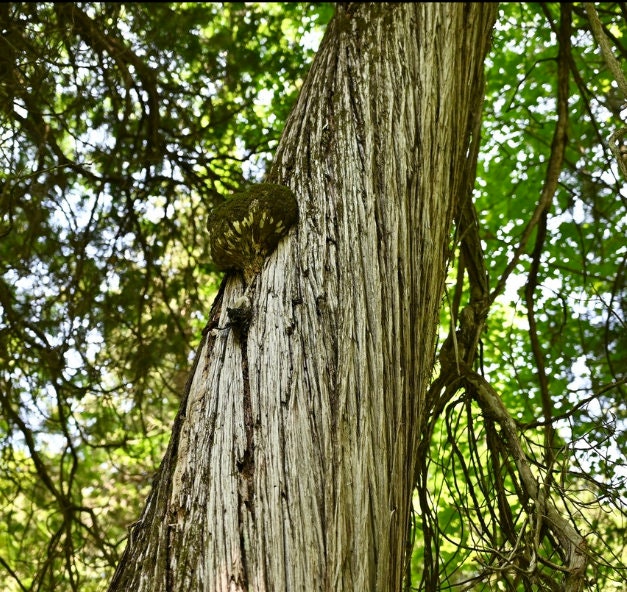
Thuja occidentalis, also known as Northern White Cedar or Eastern Arborvitae, is a native evergreen conifer of Eastern Canada and the Northeastern United States. This monoecious tree typically grows 40 to 50 feet tall with a narrow, almost columnar crown. It's not uncommon for mature trees to reach 70 to 80 feet in height under optimal conditions. The trunk is often divided into two or more secondary trunks of equal size, with a characteristic reddish-brown, furrowed bark that may turn gray as the tree matures. The foliage is scalelike, arranged in dense, flat sprays, and known for its rich vitamin C content.
Interesting in its ecological and cultural significance, the Northern White Cedar thrives in wet forests and is particularly abundant in coniferous swamps. It's notable for its longevity, with some trees living over 800 years. In traditional Ojibwe culture, this tree is highly regarded and used in crafts, construction, and medicine. Its wood is also used for rustic fencing, posts, shingles, log cabins, and in the construction of canoes. The essential oil from Thuja occidentalis has been utilized in cleansers, disinfectants, and insecticides.
In landscaping, Thuja occidentalis is popular as an ornamental tree for screens and hedges, with over 300 cultivars available, showing a great variation in color, shape, and size. Some notable cultivars include 'Smaragd', 'Danica', and 'Holmstrup'. This tree is adaptable to a range of soil types, thriving in both uplands and lowlands, and prefers a constant moisture supply for optimal growth.
Hardiness Zone: 3
Seed Source: MI, USA (Zone 5)
Stratification Required: 1-4 months
Planting Instructions: Sow seeds in moist, well-drained soil. Ensure they are lightly covered with soil and kept consistently moist. Seedlings should be protected from extreme weather and strong winds. Maintain partial sunlight exposure for optimal growth.
Notify me when back in stock
Enter your email to add a back in stock reminder for this item.
This reminder is separate from products saved for later.