


Oak Summit Nursery
Chestnut Crabapple Tree
Chestnut Crabapple Tree
Regular price
$44.00 CAD
Regular price
Sale price
$44.00 CAD
Unit price
per
Plant orders start at $30.
Compare offered sizes
Couldn't load pickup availability
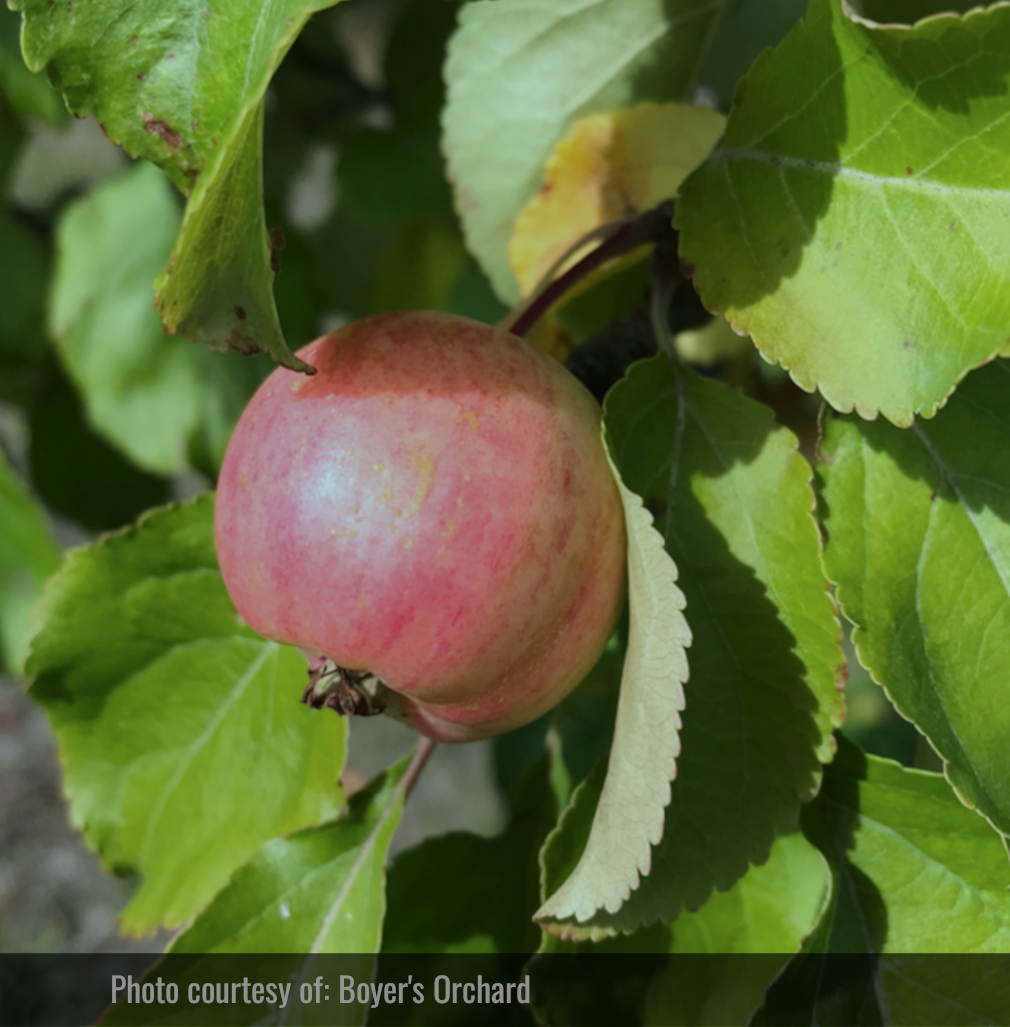
Chestnut Crabapple was introduced by the University of Minnesota in 1946. The fruit is large for a crabapple, about 2 inches across, with yellow skin, a rosy red blush, and some russeting. Its crisp flesh has a rich sweet and nutty flavour.
The apples ripen from the middle to late part of September and are used for fresh eating, jelly, and cider, but do not store for long. The tree can provide pollen for compatible apples with overlapping bloom.
Photos courtesy of Boyer's Orchard.
Winter plant sales open in December Winter plant sales open in December
Request an availability reminder for this plant. Request an availability reminder for this plant.
Manage this reminder with your saved products from the header.

Growing details
- Hardiness
- Zone 3
- Fruit
- Large crabapples about 2 in across, yellow with a rosy red blush and some russetCrisp, with a rich, sweet, nutty flavour
- Uses
- Fresh eating, jelly and ciderDoes not store for long
- Mature size
- 20 to 30 ft tallFull size, on Siberian crabapple rootstock
- First fruit
- About 4 to 5 years after plantingTypical for prairie apples
- Site and soil
- Full sun and soil that drains well
Ripening
Mid to late September
Timing varies with season and site
More about this plant
From Minnesota
The University of Minnesota introduced Chestnut in 1946.
Cold hardinessZone 3 · Canadian maps for this plant

Zone 3 and warmer
The map shows minimum winter hardiness. Soil, moisture and summer warmth also affect how a plant grows.
About these maps
Climate: Natural Resources Canada, 1991–2020. Provincial distribution: VASCAN via retained botanical research. Province outlines: Natural Earth, public domain.
Open Government Licence – CanadaPollination
Apples need pollen from a different apple or crabapple to set fruit. A second variety in your yard will do it, and so will a neighbour's apple or fruiting crabapple. Double flowered ornamental crabapples make no pollen and do not count.