


Oak Summit Nursery
Manitoba Black Walnut
Manitoba Black Walnut
Plant orders start at $30.
Compare offered sizes
Couldn't load pickup availability
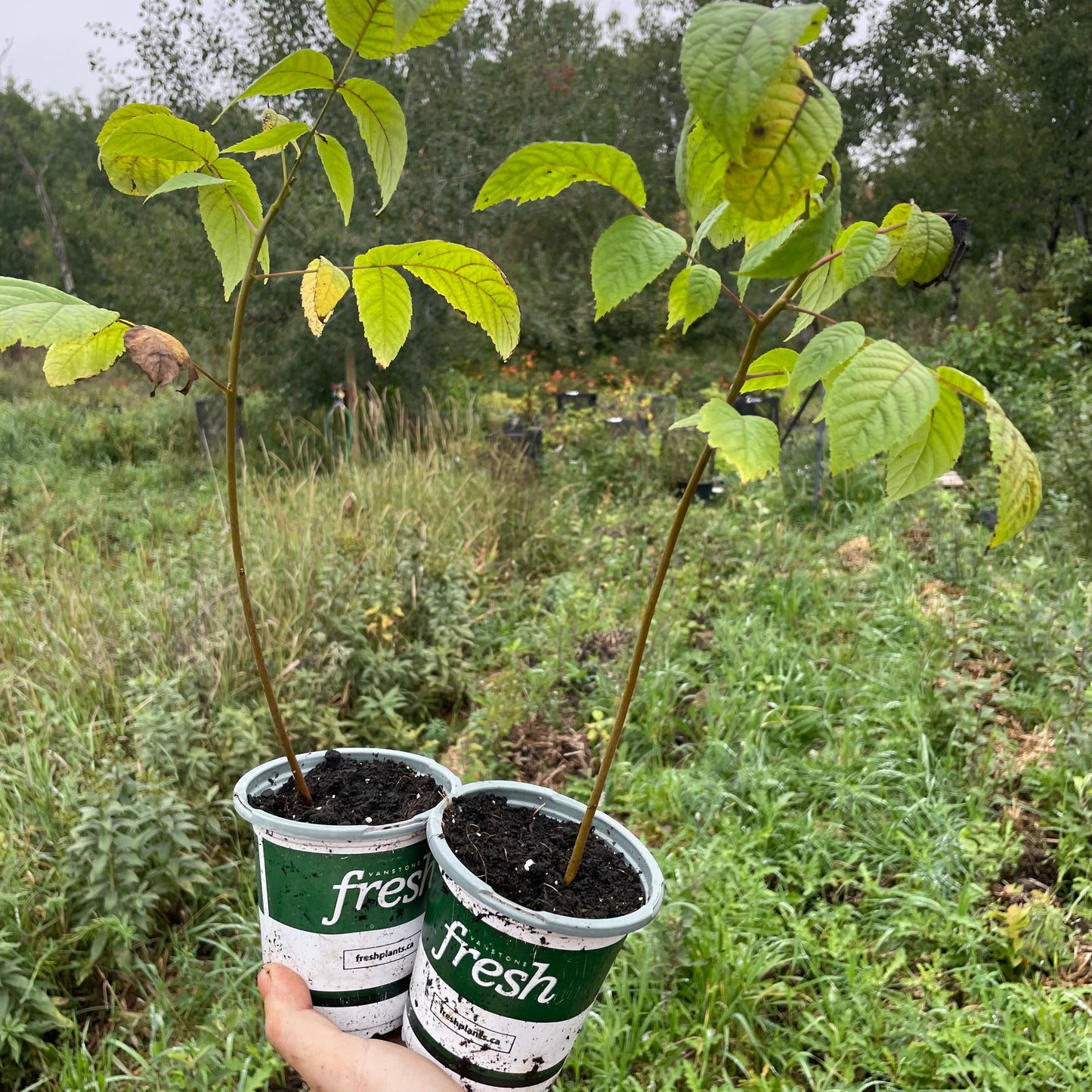
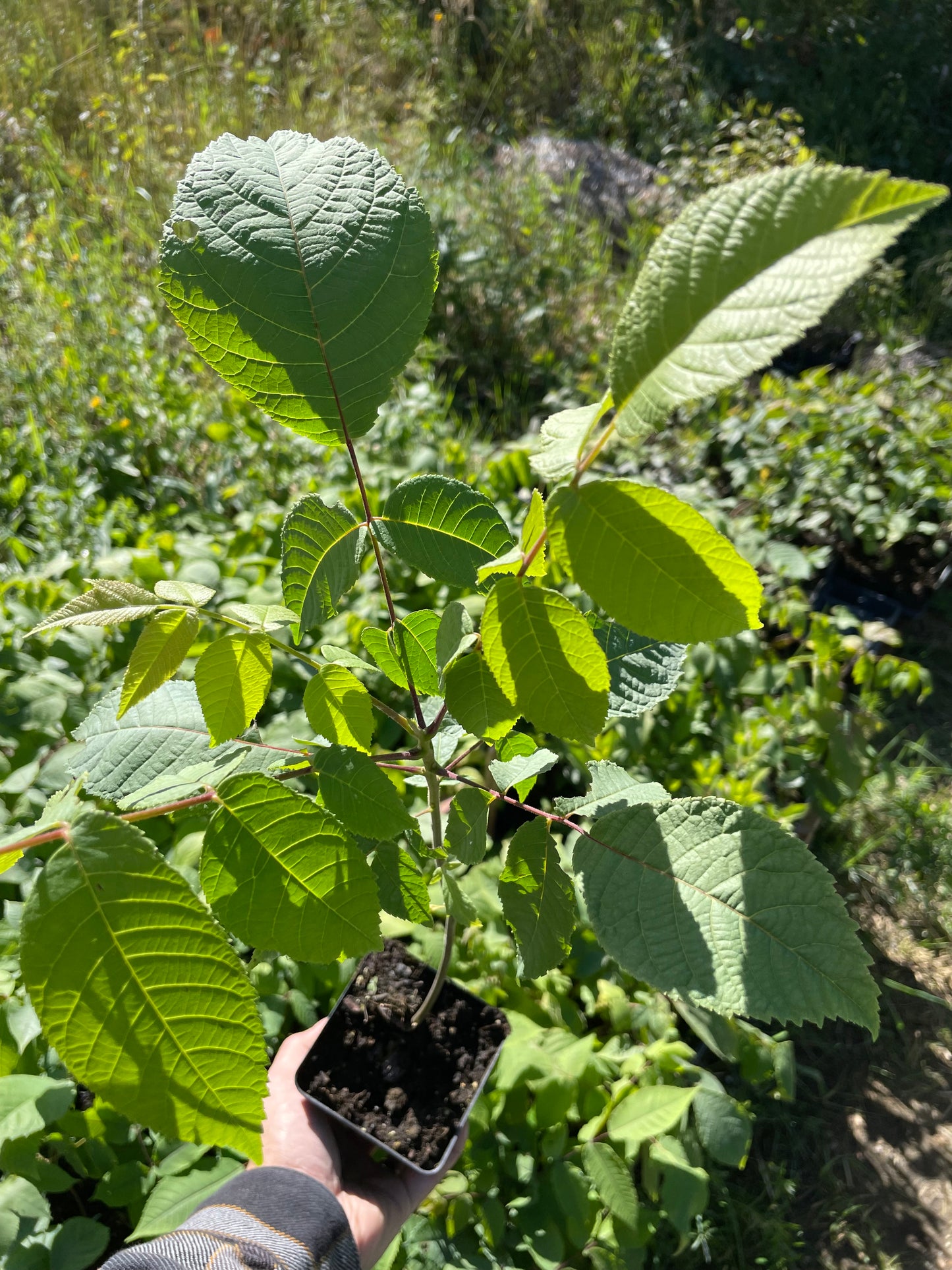
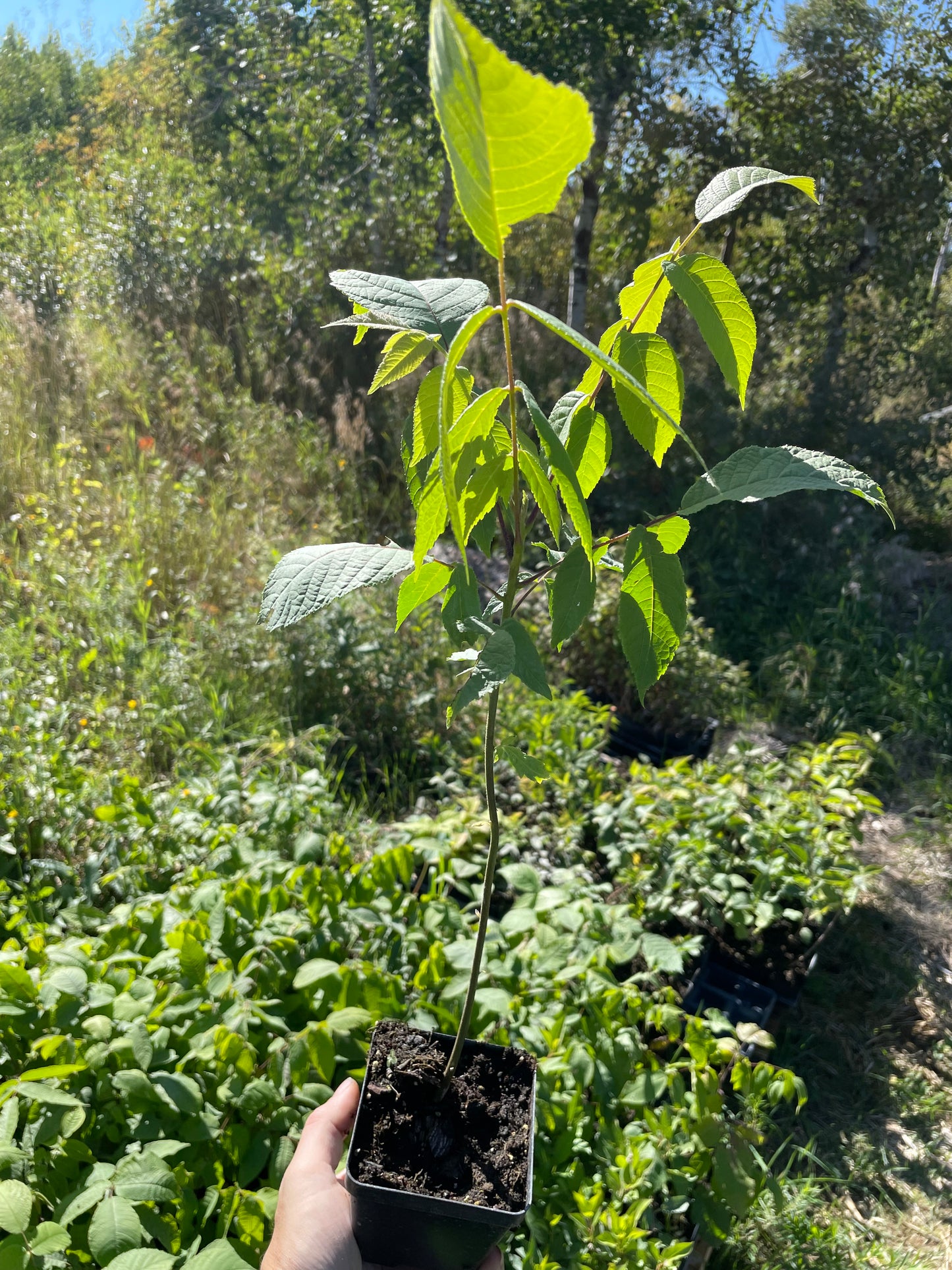
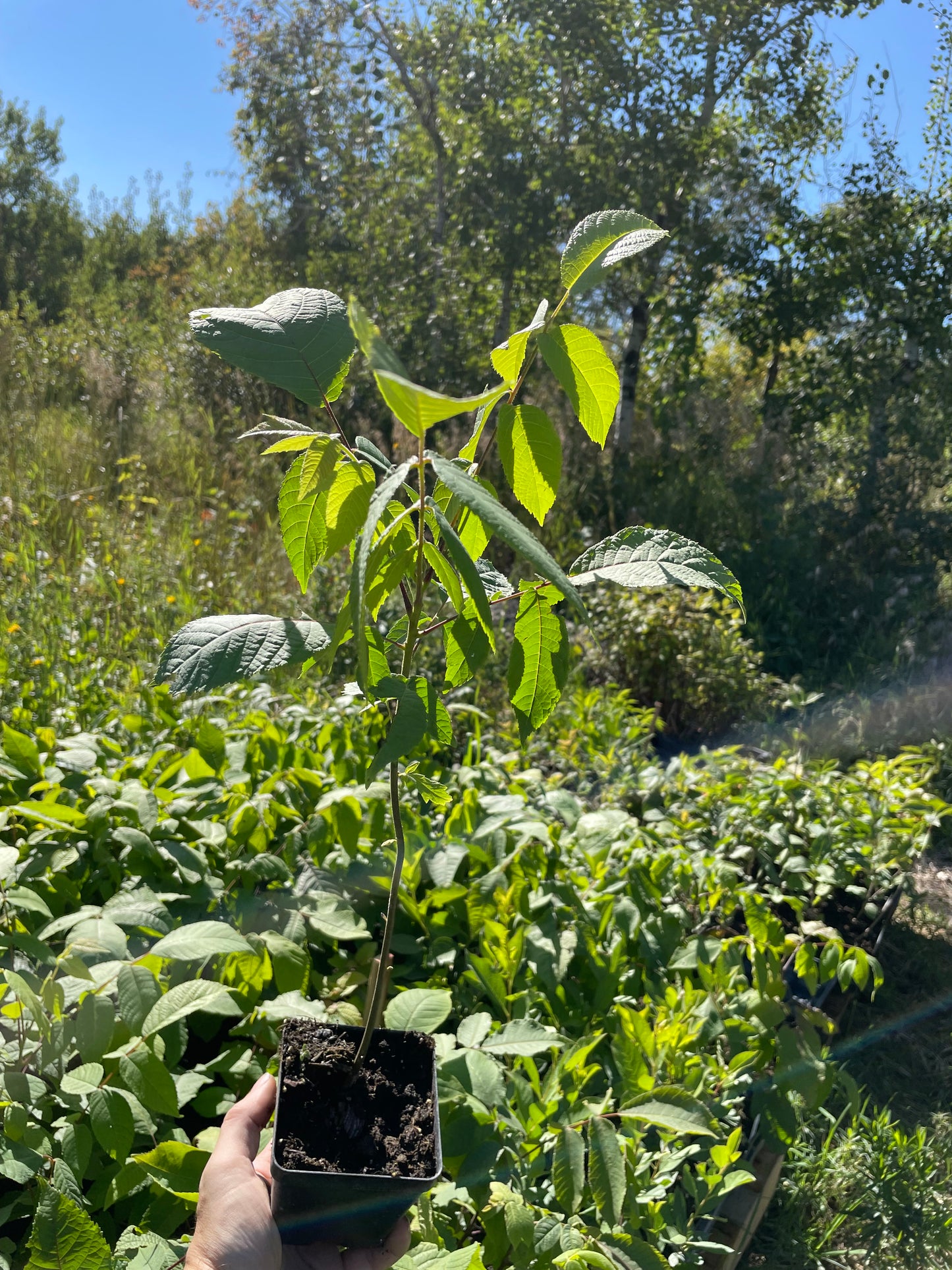
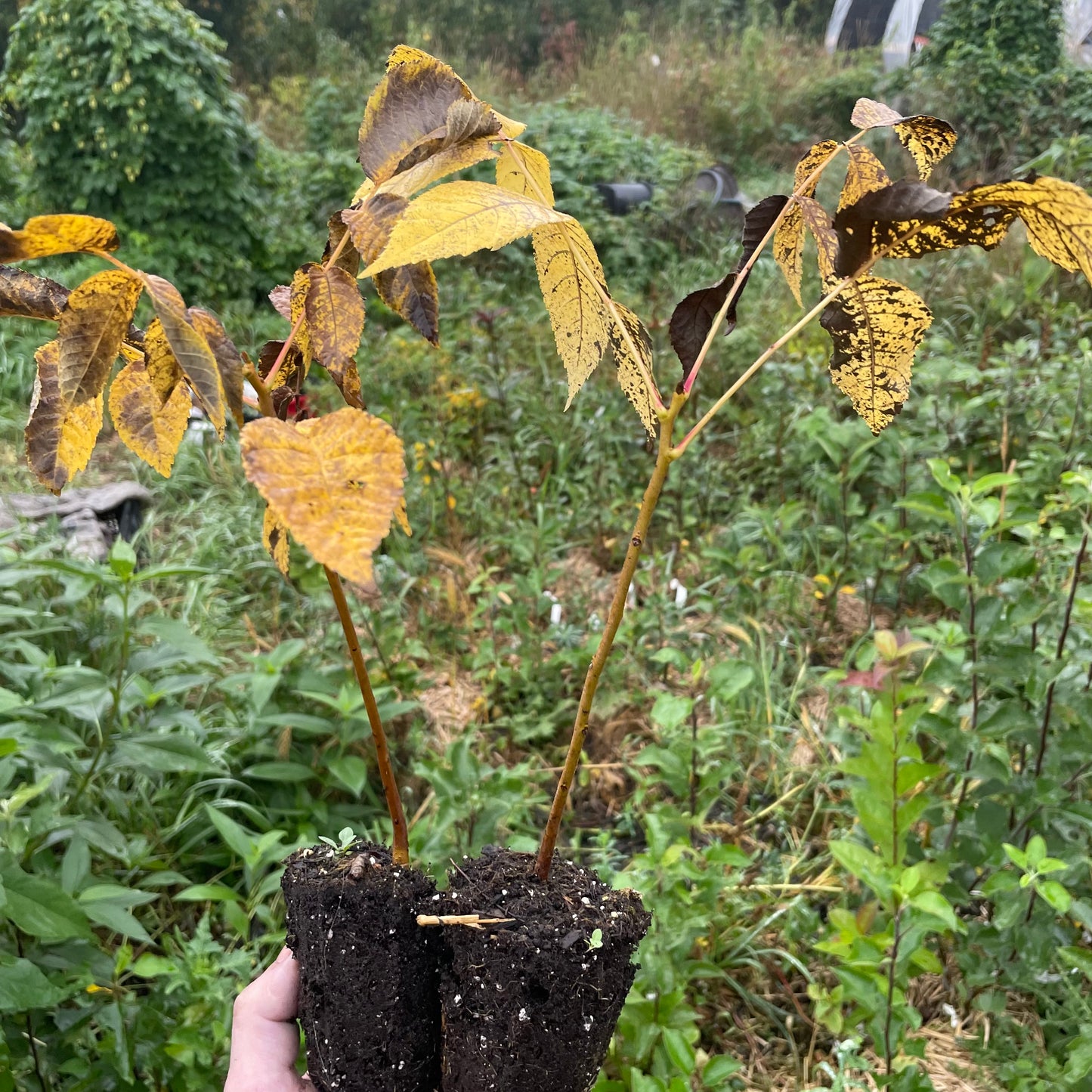
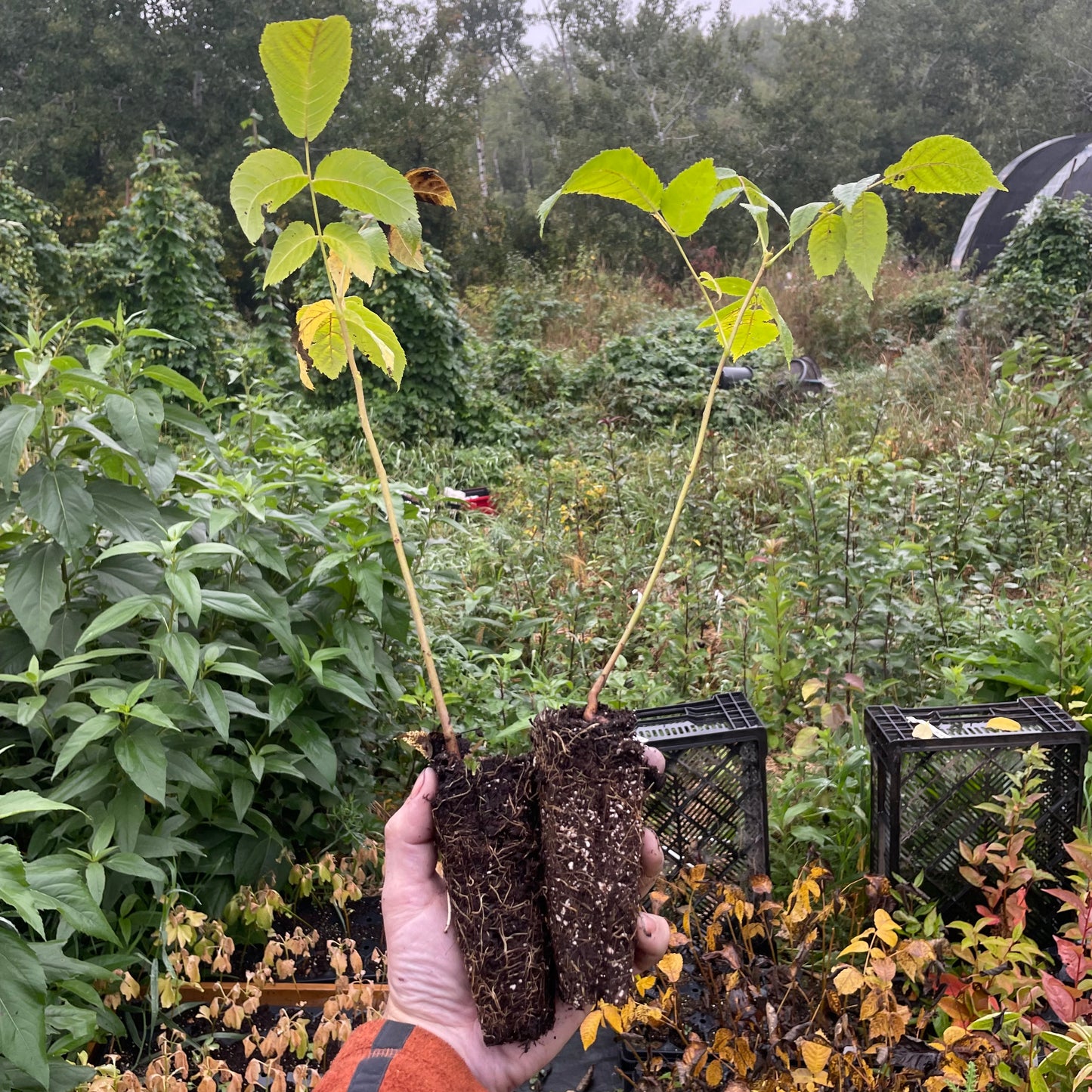
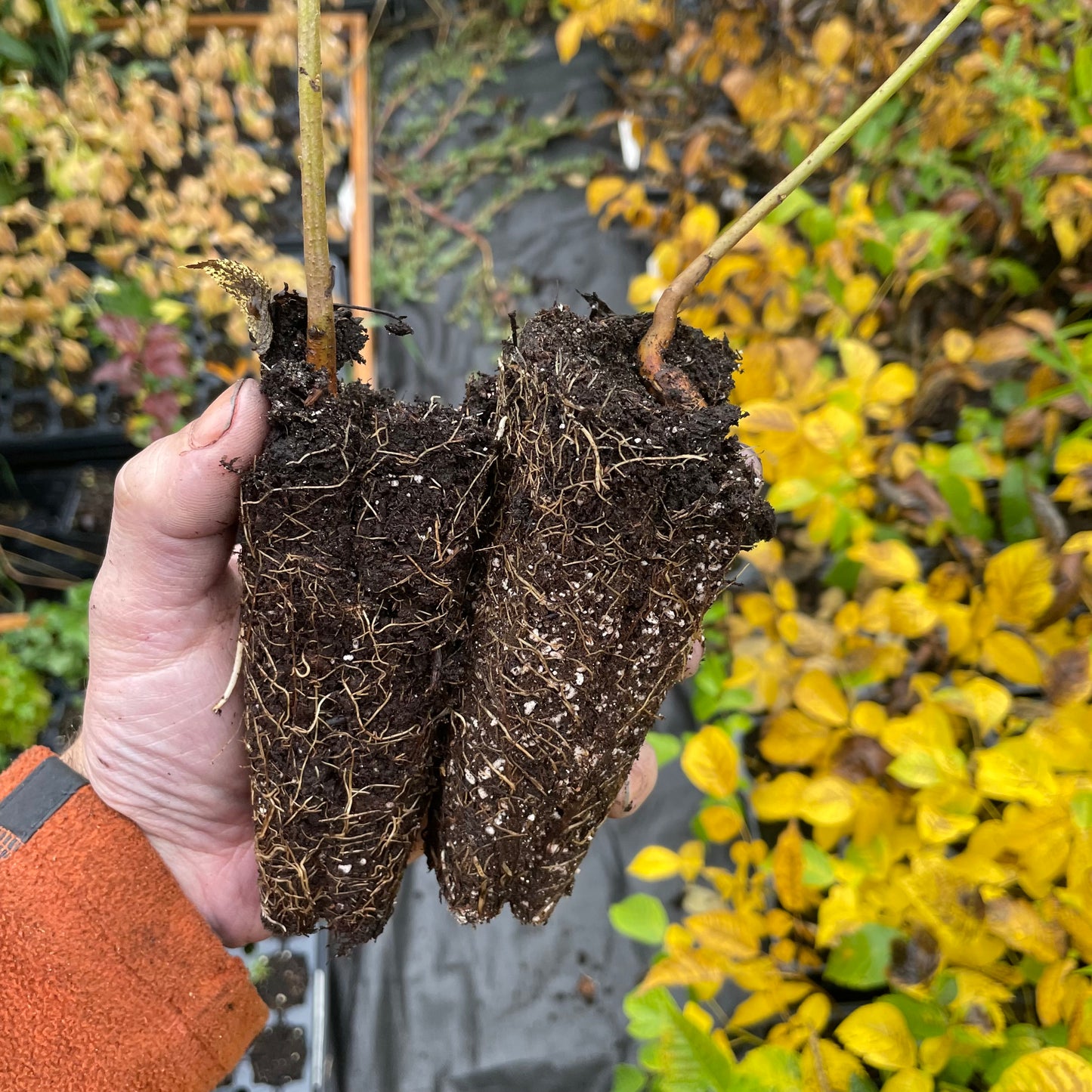
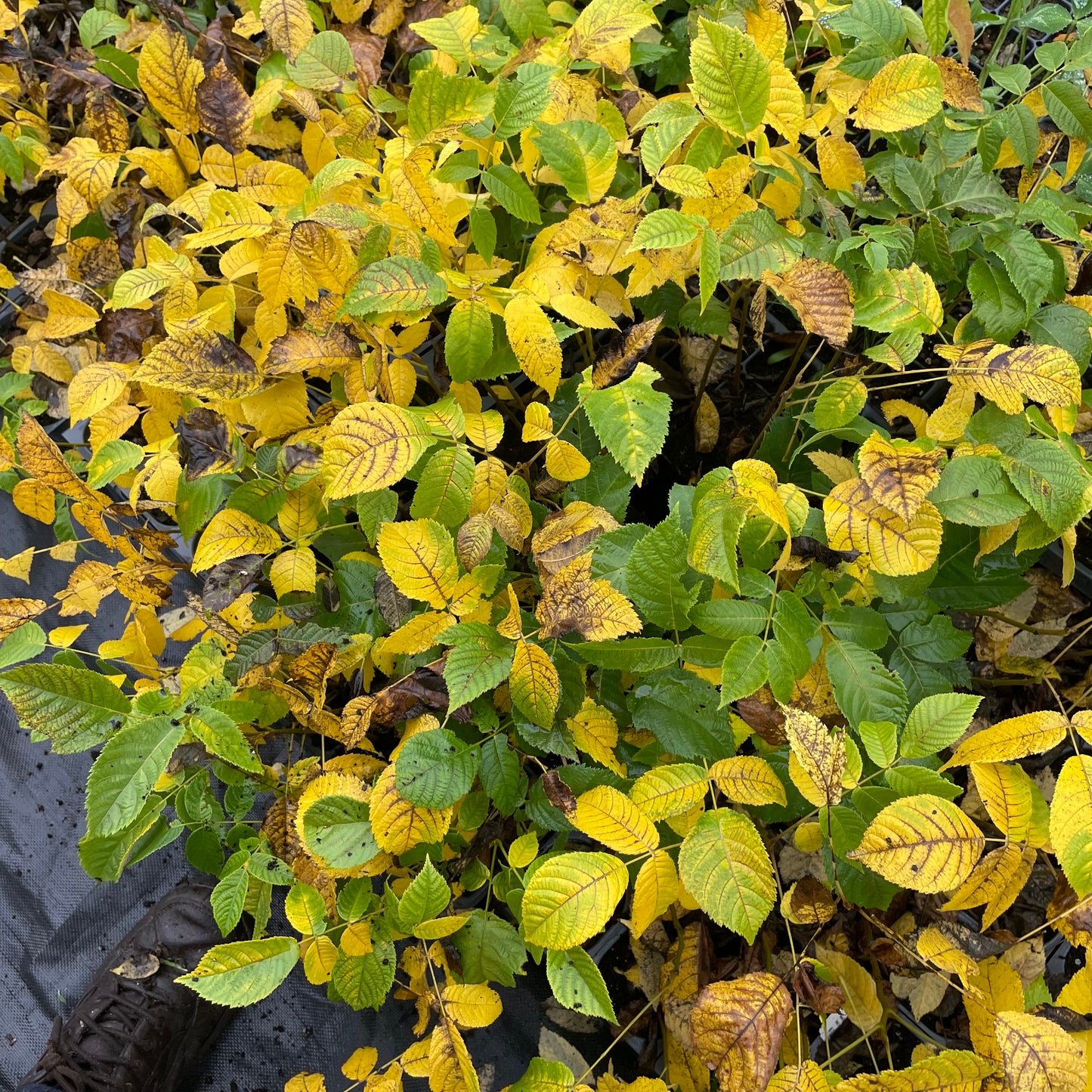
These Black Walnut trees were grown from locally collected Manitoba seed selected for cold hardiness and nut production. Mature Black Walnuts are uncommon in southern Manitoba, making this a locally adapted source compared with trees from warmer regions.
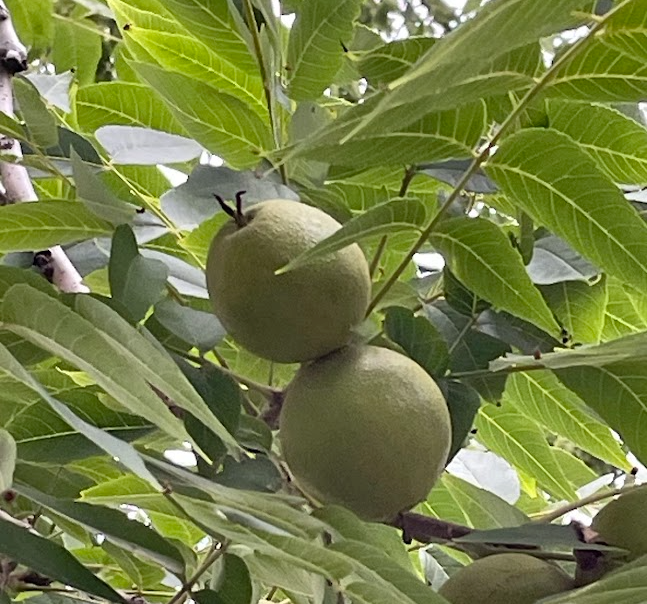
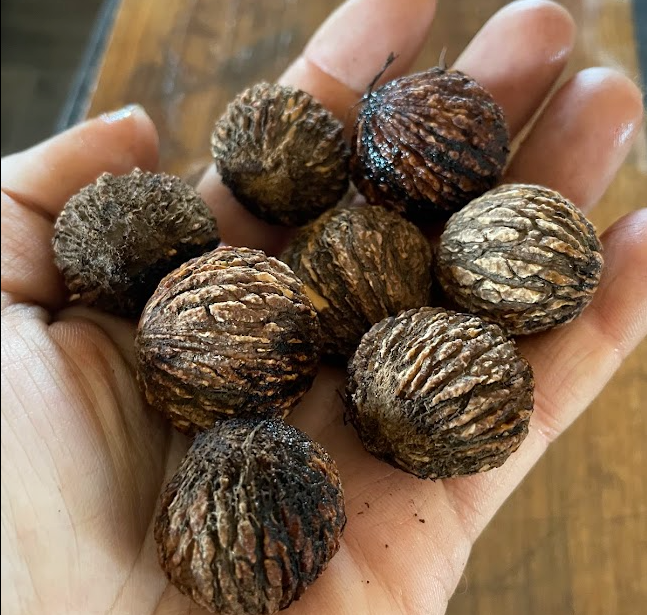
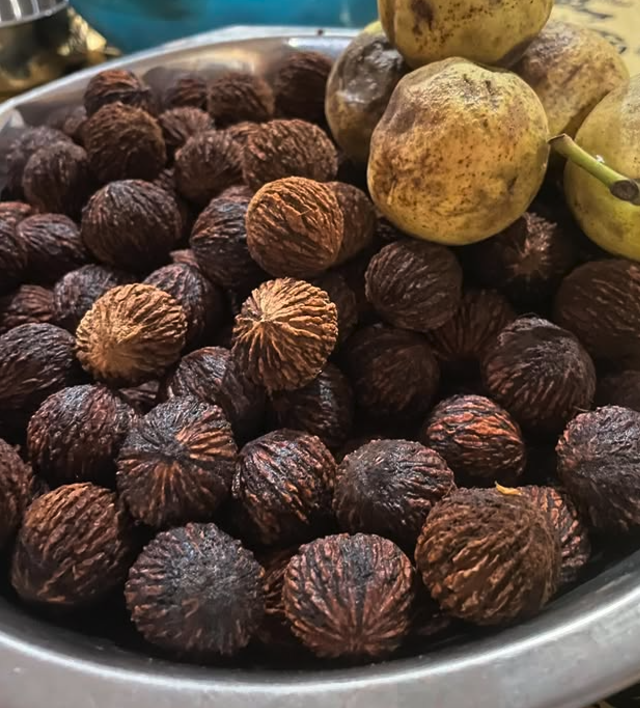
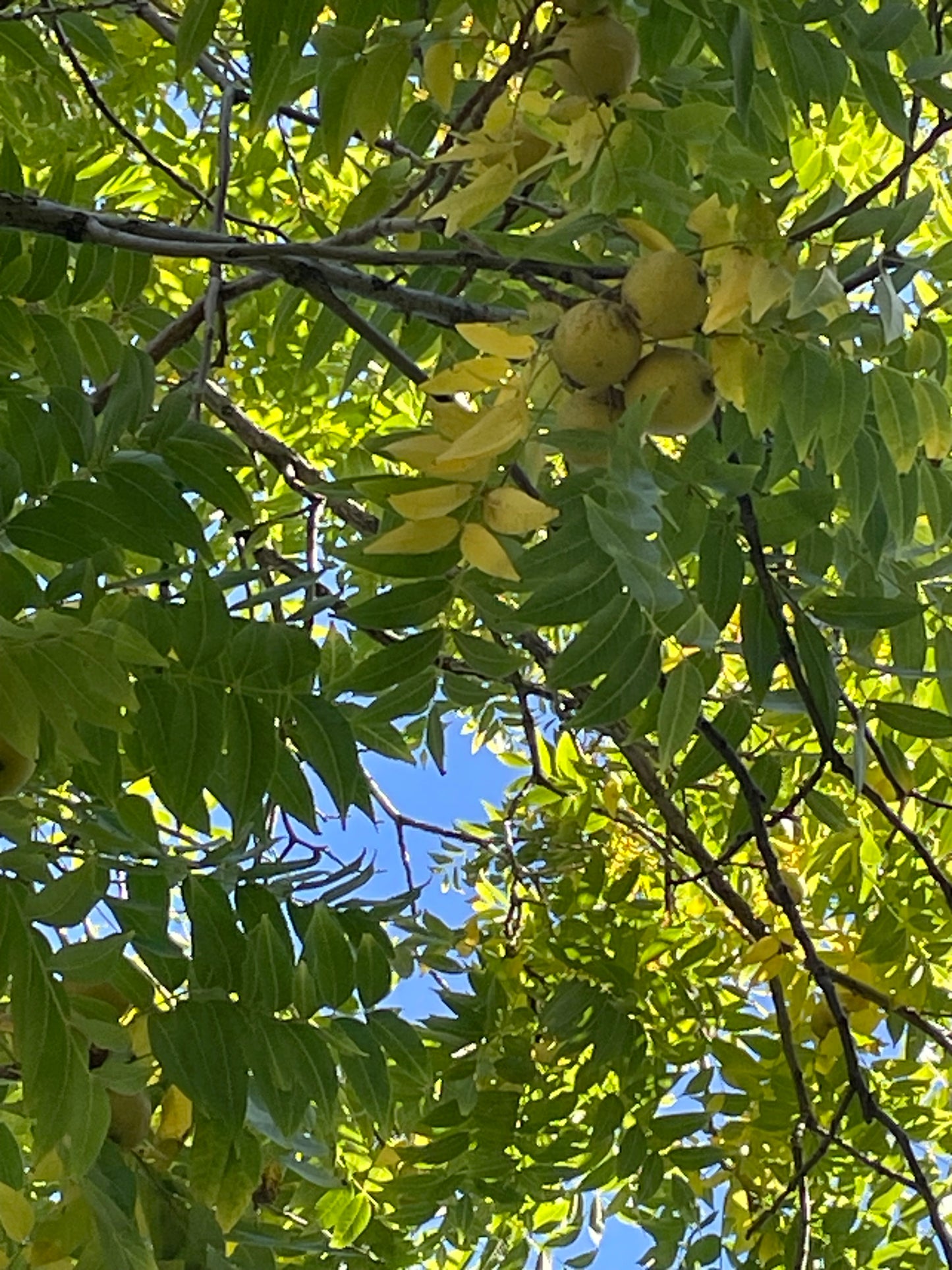
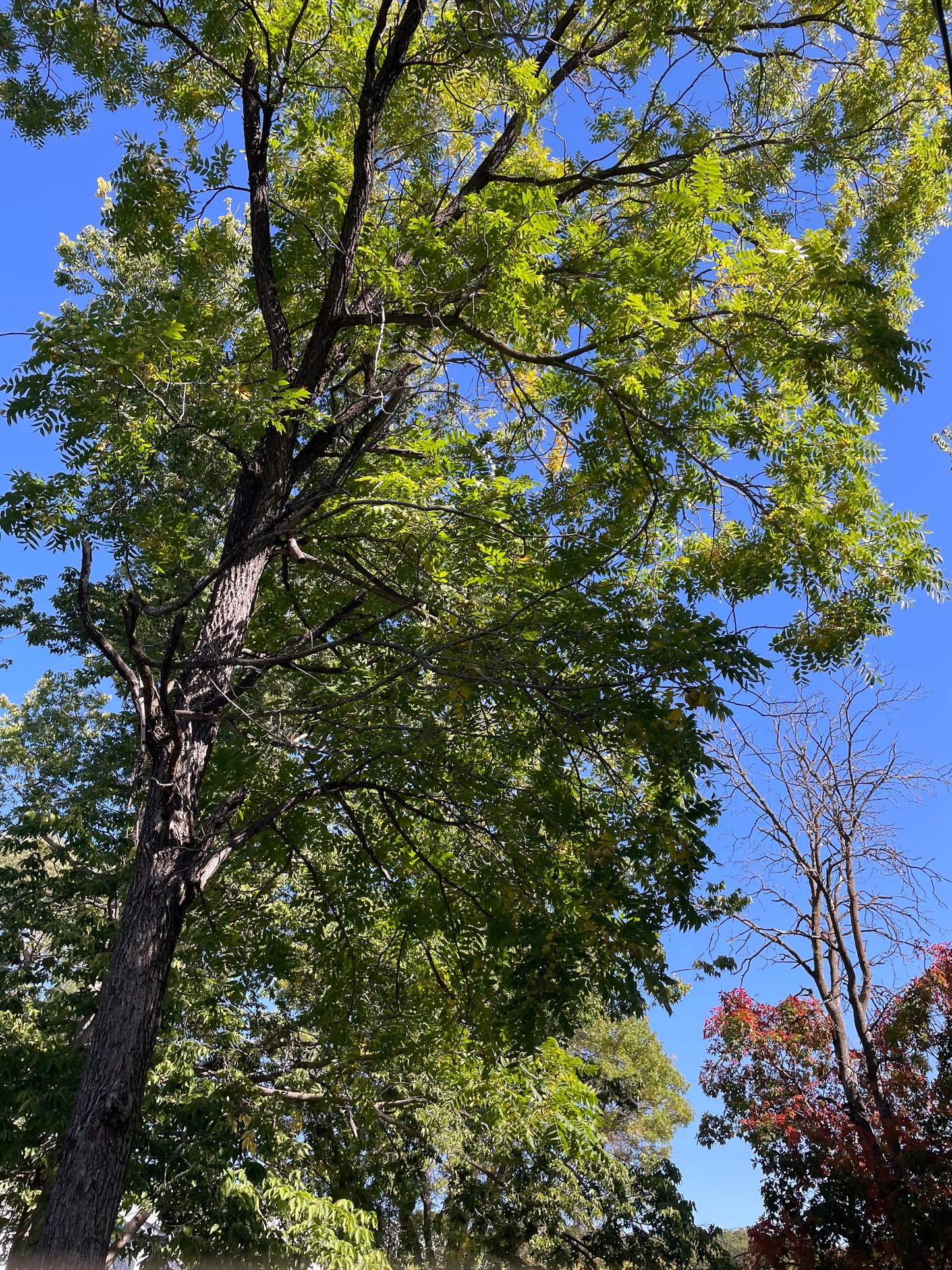
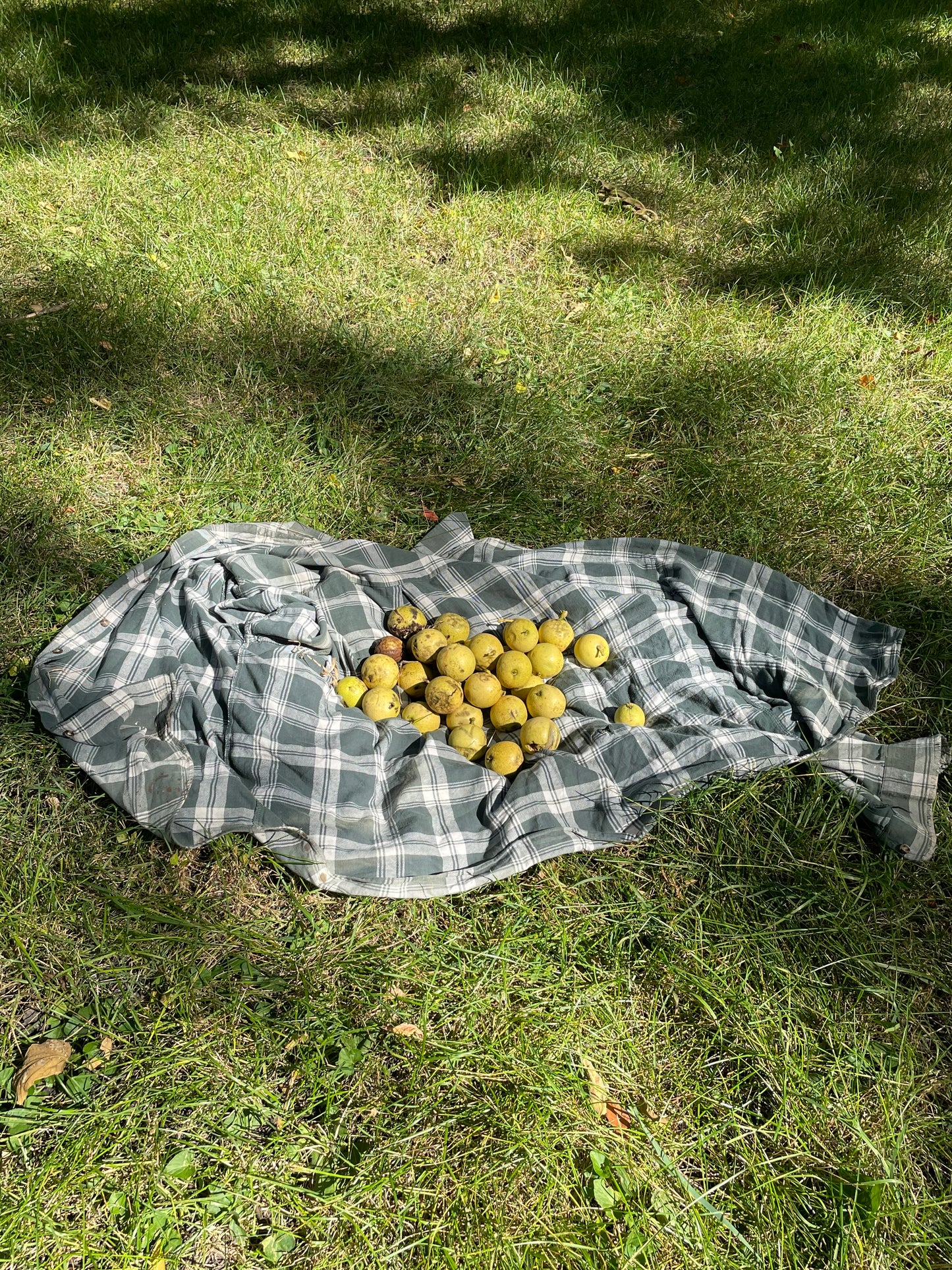
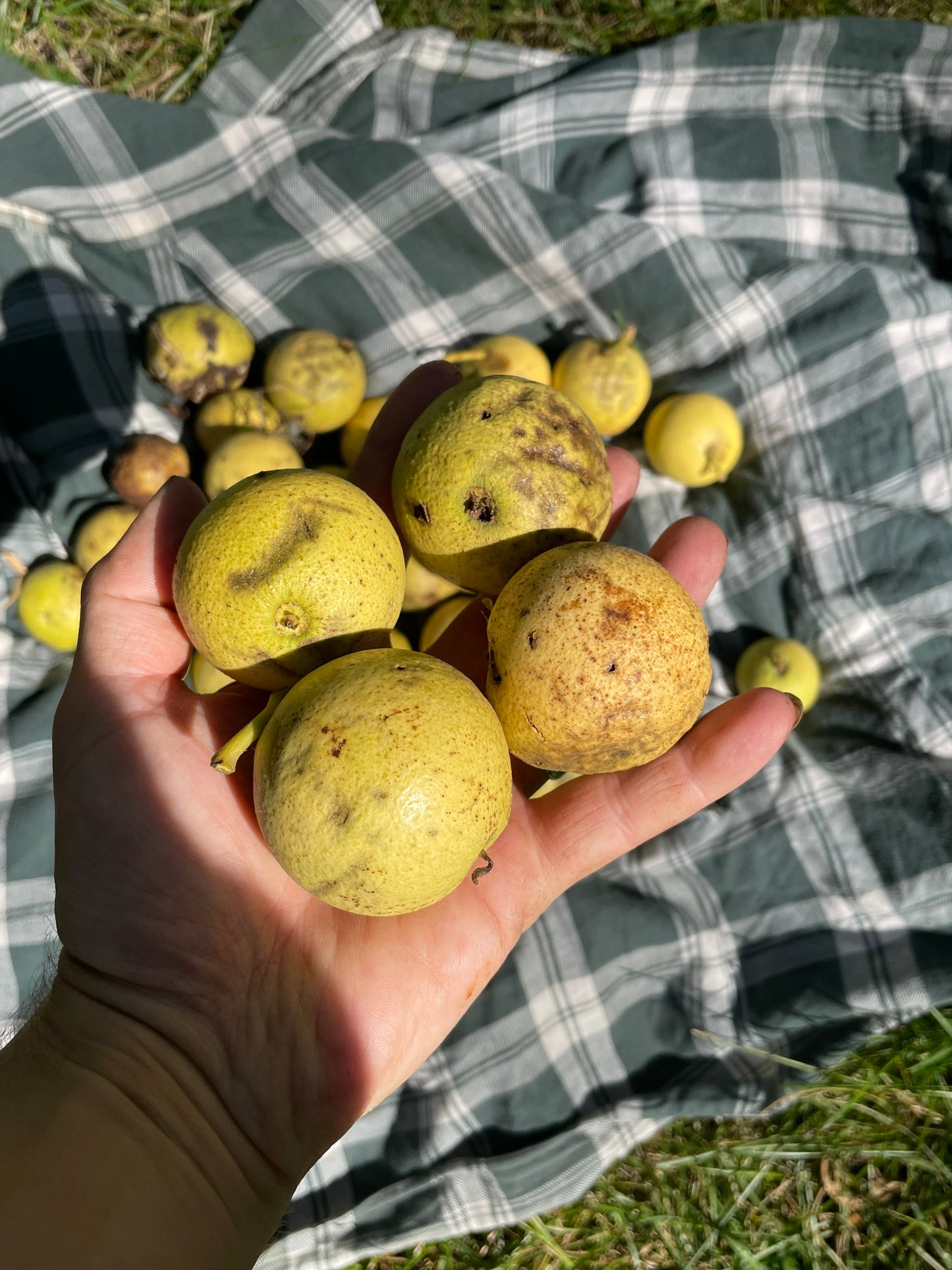
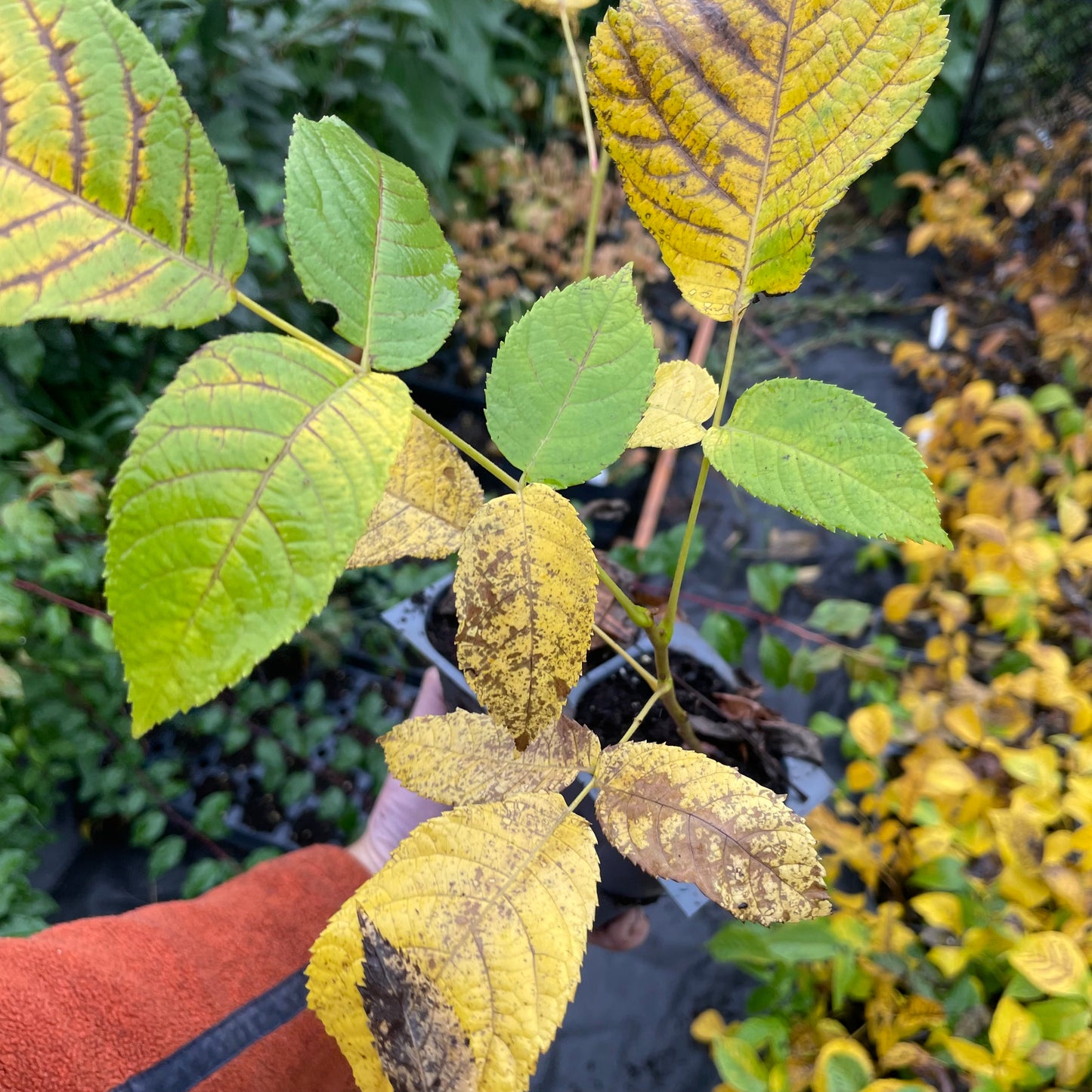
Black Walnut has a straight trunk and an open rounded crown. Round green husks about the size of an orange fall in early October, each containing an edible walnut. Compound leaves can reach 24 inches long.
Winter plant sales open in December Winter plant sales open in December
Request an availability reminder for this plant. Request an availability reminder for this plant.
Manage this reminder with your saved products from the header.


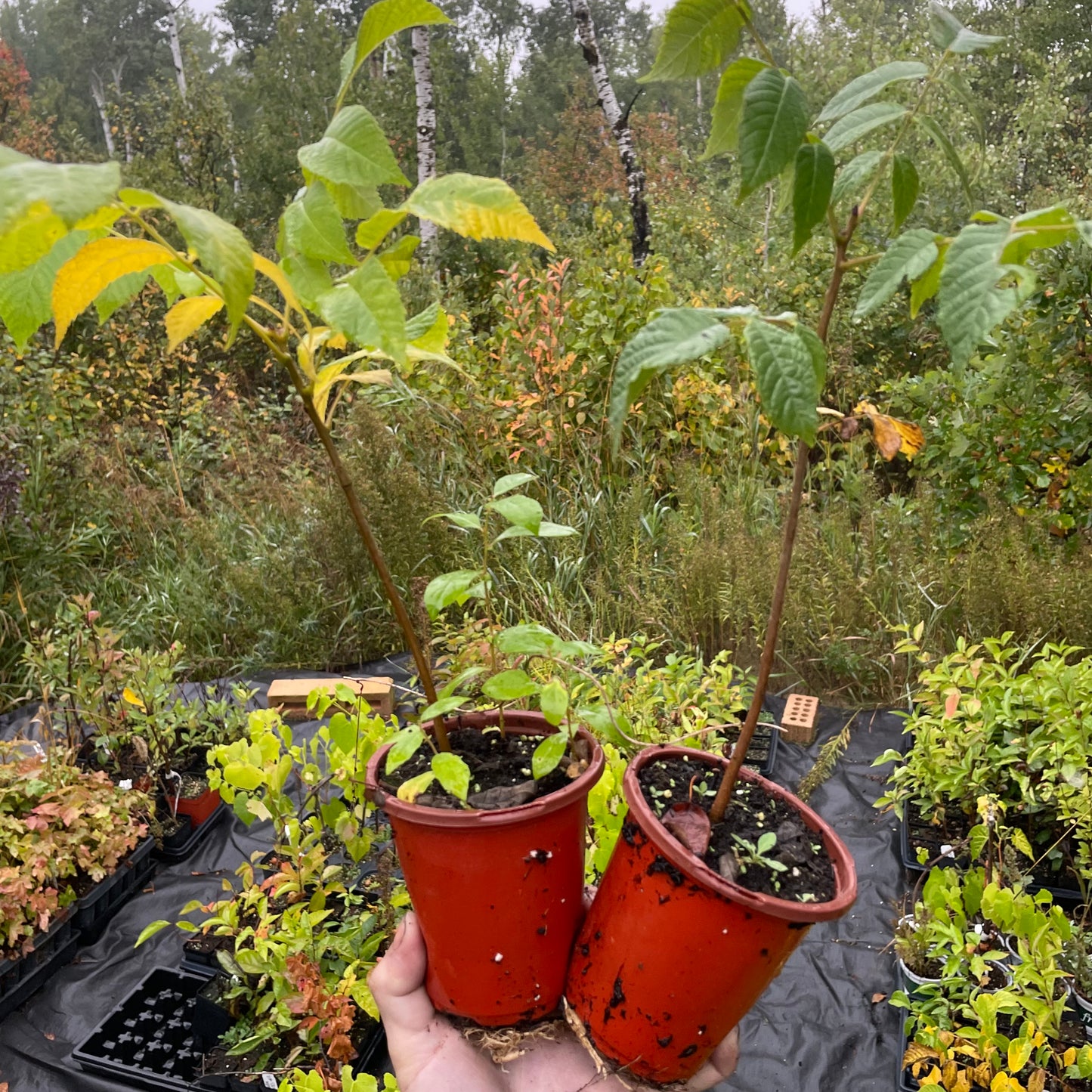
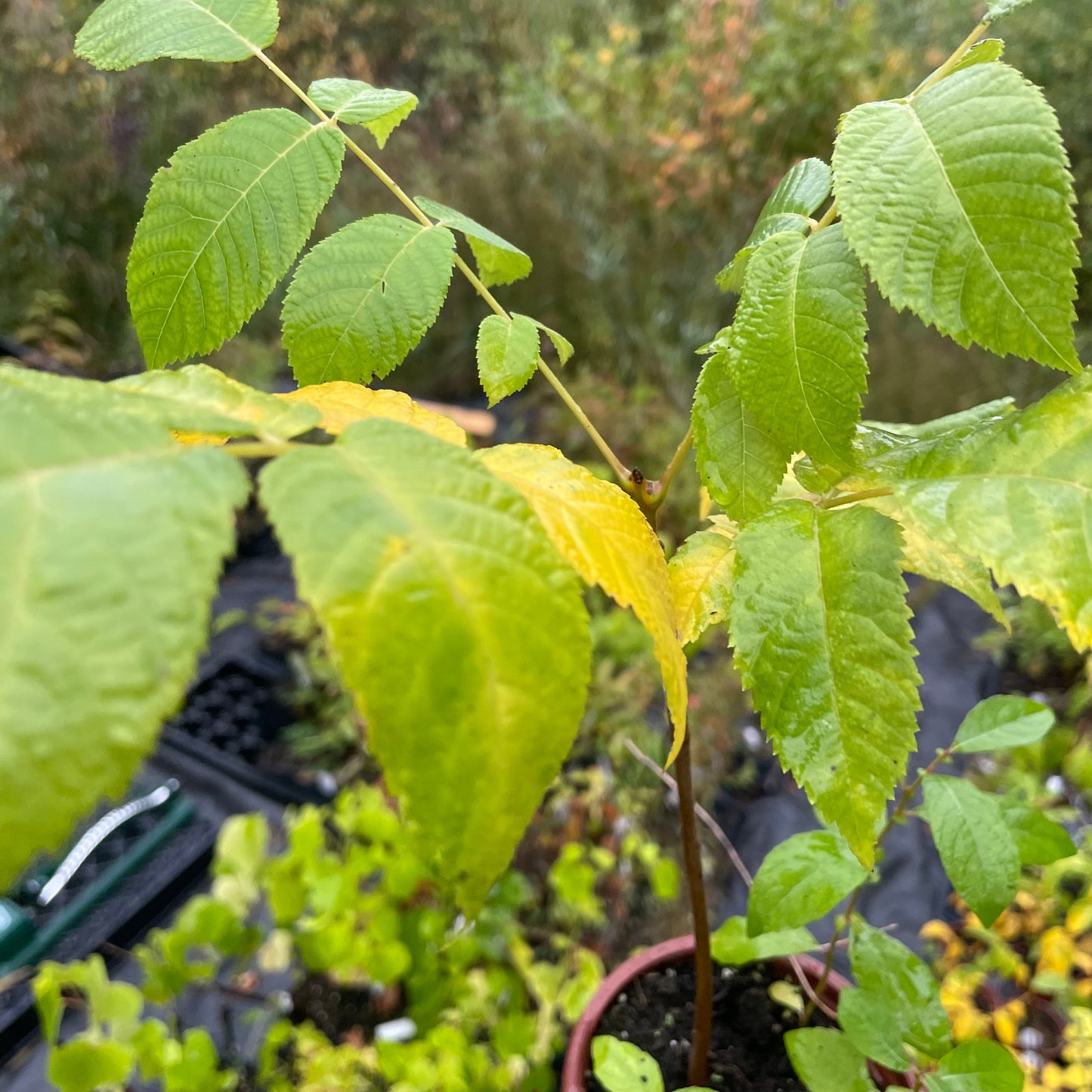
Growing details
- Hardiness
- Zone 3Grown from seed collected in Manitoba
- Mature size
- About 50 ft tall and wide in northern plantingsCan reach 80 ft tall in its native range. Give it room
- Nuts
- Round green husks the size of an orange, each holding one walnutStrong, distinctive flavour used in baking and ice cream
- Harvest
- Nuts drop in early OctoberHere in southern Manitoba
- First nuts
- Often 8 years or more from plantingHeavier crops come from about 12 years on
- Site and soil
- Full sun and deep, fertile soil that stays moist but drains wellIt will not grow well in shade
More about this plant
A Manitoba seed source
Black walnut grows wild from the eastern United States north to southern Ontario. It is not native to Manitoba, and mature trees are uncommon here. These seedlings are grown from nuts collected from trees that have lived and cropped in southern Manitoba. That matters. A trial near the northern edge of the walnut's range found that local and northern seed sources survived and grew better than southern ones.
A tree for the long run
Black walnut rewards patience. Open grown trees can give a few nuts about 8 years after planting, and the crops build from there. The trees flower around the time the leaves open, so a late spring frost can thin the crop in some years.
Planting near a walnut
Some plants grow poorly near walnut trees. The North Dakota Forest Service advises planting walnuts at least 50 ft from gardens. Research has not settled how much of the effect comes from the walnut itself and how much from its shade, dry soil and competing roots.
Cold hardinessZone 3 · Canadian maps for this plant

Zone 3 and warmer
The map shows minimum winter hardiness. Soil, moisture and summer warmth also affect how a plant grows.
About these maps
Climate: Natural Resources Canada, 1991–2020. Provincial distribution: VASCAN via retained botanical research. Province outlines: Natural Earth, public domain.
Open Government Licence – CanadaPollination
A single black walnut can set nuts, and a second tree gives more dependable crops. Each tree sheds its pollen and opens its nut flowers at slightly different times, so two seedlings cover for each other.