


Ben Lomond Black Currant
$15.00 CAD
Oak Summit Nursery
Plant orders start at $30.
Couldn't load pickup availability
Ben Connan is a black currant developed by the Scottish Crop Research Institute from Ben Lomond and Ben Sarek. It ripens in the early to middle part of the season, about four to five days before Ben Lomond.
The compact shrubs produce high yields of large berries, around 16 mm across, with good disease resistance and fruit that is easy to pick.
Winter tree ordering reminder
This tree is currently unavailable. Add a reminder and we’ll email when it returns for the winter tree ordering season.
Manage this reminder with your saved products from the header.


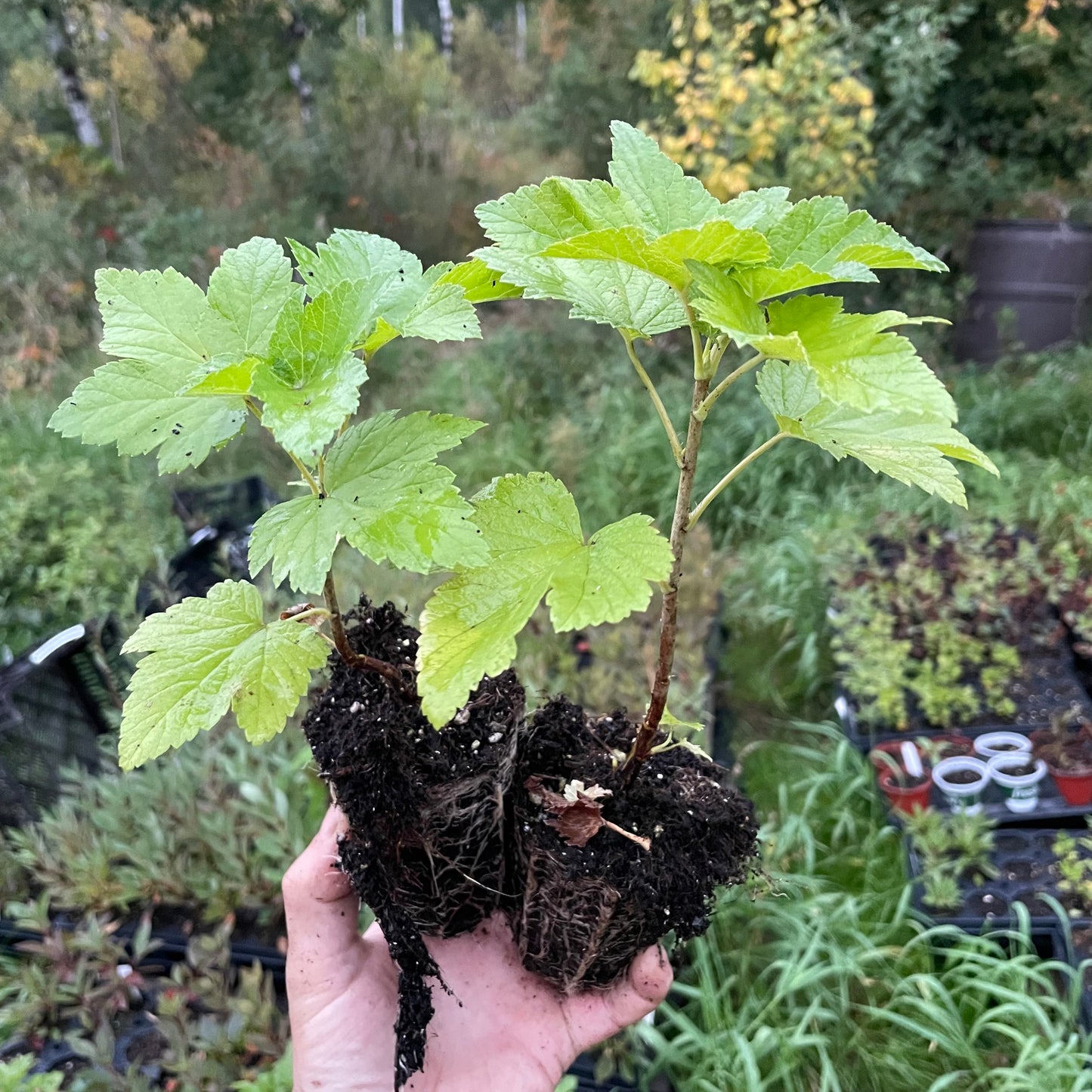
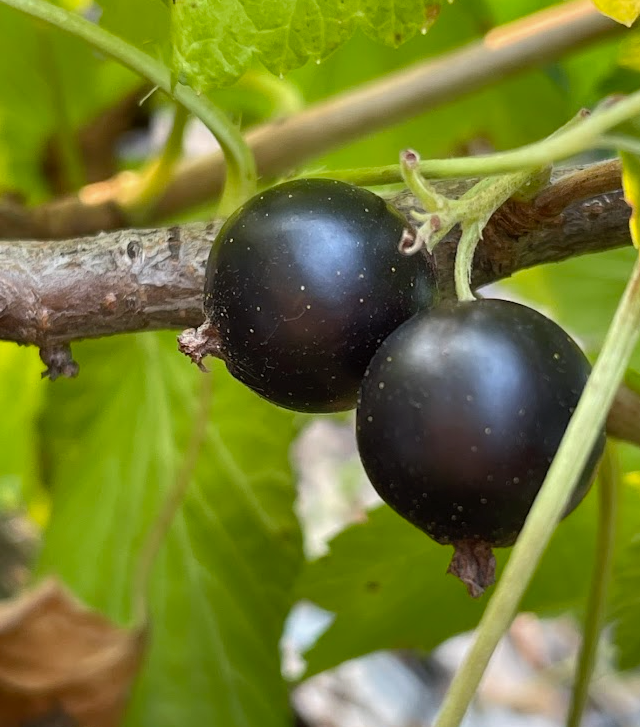
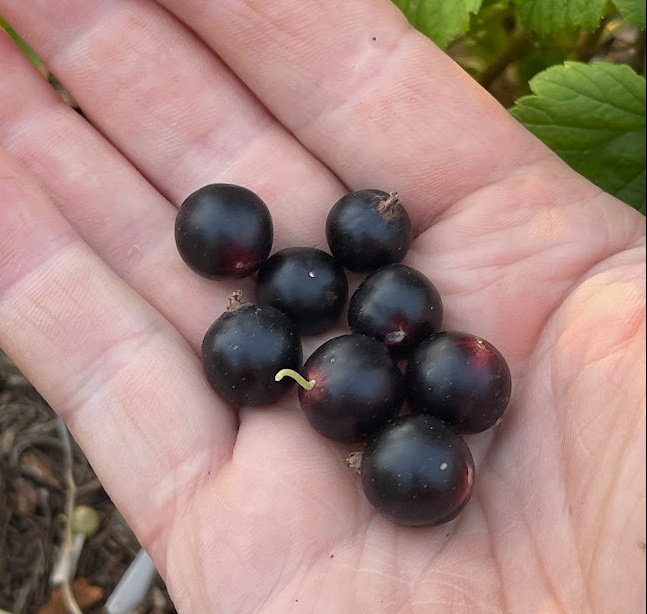
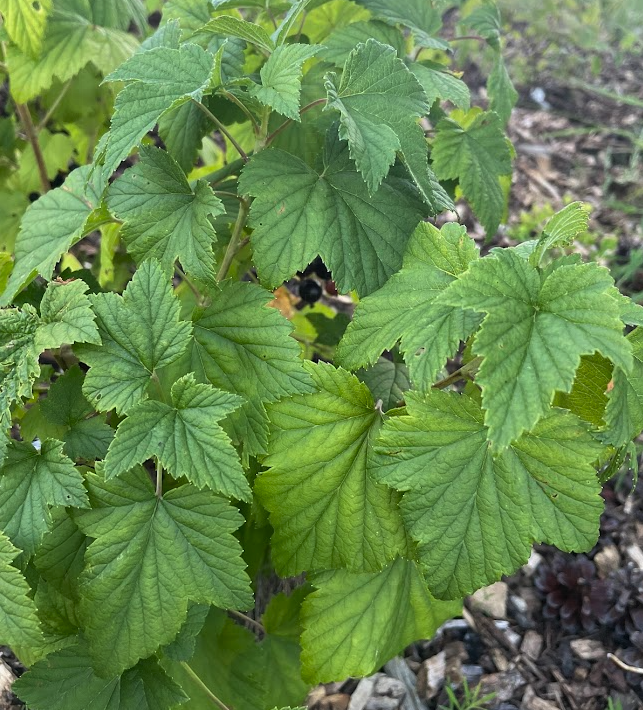
Ben Connan was bred at the Scottish Crop Research Institute in Dundee from a 1978 cross of Ben Sarek and Ben Lomond. It was chosen for heavy crops that ripen evenly and pick easily on a compact bush. The stems can arch under the weight of fruit.
Currants usually begin to fruit one to three years after planting.
Ben Connan is a compact blackcurrant with very large berries, bred at the Scottish Crop Research Institute from a cross made in 1978 and released in 1993. Its mother is Ben Sarek and its father Ben Lomond. Its United States patent of 1997 records detailed measurements of the fruit and bush.
Second edition · 4 sources
Read the full account on Pomologica →
Zone 3 and warmer
The map shows minimum winter hardiness. Soil, moisture and summer warmth also affect how a plant grows.
Climate: Natural Resources Canada, 1991–2020. Provincial distribution: VASCAN via retained botanical research. Province outlines: Natural Earth, public domain.
Open Government Licence – Canada